
Blooming
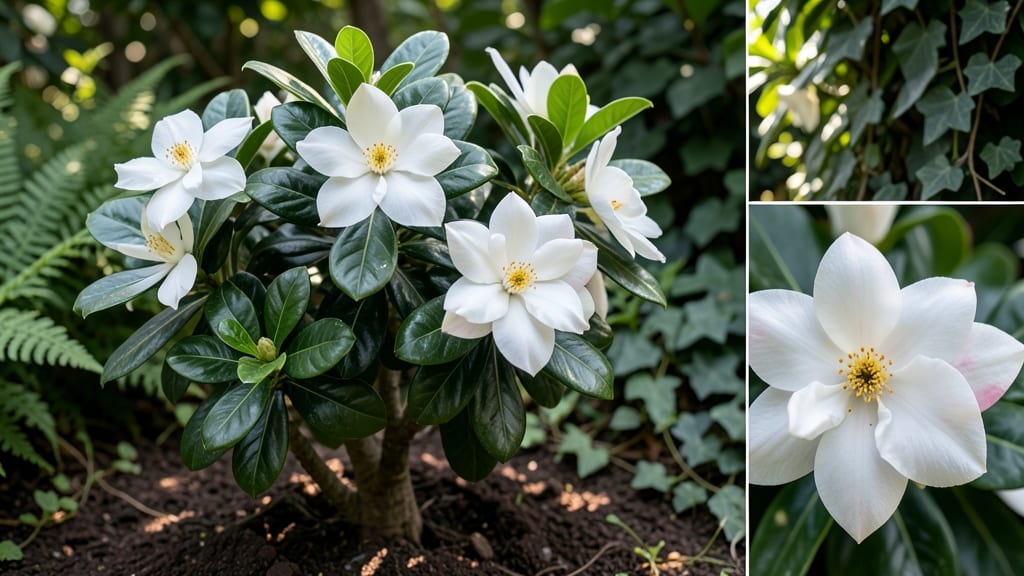
Your gardenia’s bloom time depends entirely on the variety and where you live—Cape Jasmine gardenias burst into fragrance by June in Zone 7, while Common Gardenias wait until July-August for their heavy-scented show. 🌸 I’ve grown both in my backyard, and the difference in timing (and fragrance intensity) is night and day.
The secret to extending those blooms? Pruning after flowering and keeping them in bright, indirect light—my Cape Jasmine still had buds in October last year. In warmer zones, they’ll bloom year-round if you meet their humidity needs (think morning misting or a pebble tray).
You’ll notice the first flush of flowers in late spring, with peak fragrance in mid-summer—just in time for evening strolls. The key is matching care to your climate: tropical gardenias need shade; temperate ones crave full sun.
For longer blooms, fertilize lightly every 4-6 weeks with acidic food (like coffee grounds) and avoid overwatering—soggy roots mean fewer flowers. Even in cooler zones, you can push bloom time with these tricks.
📚 In This Guide
- What you need
- Instructions
- Tips and common mistakes
- Wrapping up and next steps
What you need
- ● Gardenia plant(s) – Choose healthy, mature plants (3–5 years old) for best blooming potential. Varieties like Gardenia jasminoides or Gardenia augusta thrive in zones 8–11.
- ● Well-draining potting mix – 5–10 gallons per plant (or blend equal parts peat moss, perlite, and pine bark for DIY). Critical: pH 5.0–6.5!
- ● Slow-release fertilizer – 10–15 lbs nitrogen/1,000 sq ft (look for balanced 6-6-6 or acid-loving plant formulas).
- ● Watering can or hose with gentle nozzle – Avoid soggy roots!
- ● Pruning shears – Sharp, clean shears (sterilize with rubbing alcohol).
- ● Gloves – Gardenias have thorny stems!
- ● Mulch (pine bark or pine needles) – 2–3 inches to retain moisture and acidify soil.
- ● Spray bottle – For misting leaves (gardenias love humidity!).
- ○ pH test kit – Optional but highly recommended to monitor soil acidity.
- ● Shade cloth (30–50%) – For zones 8–10 during peak sun (gardenias hate direct afternoon sun!).
- ● Full sun to partial shade (4–6 hours sunlight/day).
- ● Consistent moisture (never let soil dry out completely).
- ● Patience! Gardenias may take 1–2 years to bloom after planting.
- ● Zone compatibility – Hardier varieties (e.g., Gardenia ‘Kleim’s Hardy’) for zones 7–11.
Instructions: maximizing your gardenia's bloom time
Here’s how to coax your gardenias into their most fragrant, abundant flowering season—variety by variety.
🌿 Step 1: Understand Your Gardenia’s Variety and Zone Needs
First, identify your gardenia’s variety—some bloom earlier, others later. Radicans and Fortuniana typically flower in late spring to early summer, while August Beauty and Kleim’s Hardy extend blooms into mid-fall. Check your USDA zone: gardenias thrive in zones 7-10, but Kleim’s Hardy pushes to zone 6 with winter protection.
Here’s the thing—light exposure shifts bloom timing. In zones 8-10, gardenias often bloom in late spring when days lengthen, but in cooler zones, they may wait until summer’s heat triggers flowering. Watch for bud set (small green swellings) as your cue—this happens 4-6 weeks before blooms open. If buds drop before opening, your plant may need more sunlight or less water.
☀️ Step 2: Optimize Light and Temperature for Peak Blooming
Gardenias demand full sun (6-8 hours daily) for robust blooms, but afternoon shade in zones 9-10 prevents leaf scorch. I’ve found that morning sun + afternoon shade works best in hot climates—plant near a south-facing wall or under dappled shade from taller trees. If your gardenia’s leaves yellow, it’s getting too much direct afternoon sun.
Temperature matters just as much. Gardenias bloom best when daytime temps hit 70-85°F and nights stay above 60°F. In cooler zones, mulch heavily (3-4 inches of shredded bark) to insulate roots. If buds form but drop, cold drafts or temperature swings are likely culprits. A frost cloth over young buds can save them in marginal zones.
💧 Step 3: Master Watering and Soil for Extended Blooms
Consistent moisture is non-negotiable—gardenias hate dry spells but drown in soggy soil. Water deeply 2-3 times weekly (until top 2 inches of soil feel damp), then taper to once weekly in winter. I use a moisture meter to check—if it reads dry at 1 inch deep, it’s time to water. Overwatering causes bud drop, while underwatering leads to small, sparse blooms.
Amend your soil with acid-loving mix (peat moss + pine bark) to maintain a pH of 5.0-6.5. Gardenias starve in alkaline soil—test your soil annually. Feed with acidic fertilizer (10-10-10 or 8-3-9) every 6-8 weeks during growing season. Too much nitrogen? You’ll get lush leaves but no flowers. Cut fertilizer back in late summer to encourage fall blooms.
✂️ Step 4: Prune Strategically to Encourage More Blooms
Prune right after flowering (late summer) to shape the plant and promote next year’s buds. Cut back overly long branches by ⅓ to improve airflow—this prevents powdery mildew, a common bloom-killer. Avoid heavy pruning in spring, as new growth needs energy to set buds. If your gardenia looks leggy, pinch back tips in early summer to encourage bushier growth.
Here’s where it gets fun—deadheading (removing spent blooms) tricks the plant into producing more flowers. Snip off faded blooms just above a leaf node (where new buds form). I deadhead every 3-4 days during peak bloom season. If you skip this, the plant diverts energy to seed production instead of new buds. Watch for buds forming at leaf axils—these are your next blooms!
⏰ Step 5: Time Your Care for Year-Round Fragrance
For continuous blooms, stagger care by season. In spring, increase water and resume fertilizing as buds form. By summer, reduce water slightly to prevent bud drop in heat. In fall, stop fertilizing after mid-September to harden off the plant. Winter care depends on your zone: zones 7-10 need light watering (soil shouldn’t dry out completely), while zones 6 and below require winter mulch (6+ inches) and frost protection.
Real talk: gardenias reward patience. If your plant struggles the first year, don’t panic—it’s establishing roots. By year two, with consistent care, you’ll see clusters of blooms instead of solitary flowers. The key? Watch your plant’s signals—dropping buds, yellow leaves, or sparse blooms are its way of saying, “Adjust your care!”
Tips & tricks for perfect gardenia bloom timing
Common pitfalls—and how to sidestep every one—when coaxing your gardenias into their most fragrant, abundant flowering season.
Variety-Specific Timing: The 4-6 week window before blooms open is your golden opportunity to intervene. For Radicans and Fortuniana, focus on late spring adjustments—these varieties respond best to increased sunlight exposure when days lengthen. Meanwhile, August Beauty and Kleim’s Hardy varieties need summer heat triggers to push blooming into mid-fall. If you notice buds forming but dropping before opening, your plant might be signaling it needs more consistent warmth or less afternoon watering during these critical weeks.
Light Exposure Strategy: Gardenias demand 6-8 hours of sunlight daily, but the timing of that light makes all the difference. In zones 9-10, I've found that morning sun paired with afternoon shade prevents leaf scorch while maintaining bloom triggers. Position your plant near a south-facing wall or under dappled shade from taller trees—this mimics the ideal light conditions without risking sun damage. Watch for yellowing leaves as your cue to adjust placement, especially if you notice it happening after 2-3 hours of direct afternoon sun.
Temperature Troubleshooting: The ideal 70-85°F daytime range and above 60°F nights create perfect conditions for bud set and bloom opening. In cooler zones, I recommend using a frost cloth during late spring to protect young buds from temperature swings. For zones 6 and below, consider installing a mini greenhouse or cloche over your Kleim's Hardy variety during bud set to maintain consistent warmth. The key is maintaining stability—gardenias hate sudden temperature drops, which often cause buds to drop before opening.
Deadheading Discipline: Removing spent blooms every 3-4 days during peak season is non-negotiable if you want continuous blooms. I use clean, sharp pruners to snip just above a leaf node where new buds form. This simple act tricks the plant into redirecting energy toward new bud formation rather than seed production. The bud axils (where leaf and stem meet) are where you'll see the next generation of blooms forming—keep an eye on these areas for signs of new growth.
Pro Tips for Gardenia Bloom Time
- Common pitfalls—and how to sidestep every one—when coaxing your gardenias into their most fragrant, abundant flowering season.
- Variety-Specific Timing: The 4-6 week window before blooms open is your golden opportunity to intervene.
- Light Exposure Strategy: Gardenias demand 6-8 hours of sunlight daily, but the timing of that light makes all the difference.
Frequently asked questions
Got questions about timing those dreamy gardenia blooms? You’re in the right place! Here are answers to the most common queries—from impatient gardeners to seasoned pros—so you can maximize fragrance and beauty in your garden.
When do gardenias typically bloom, and how long does it last?
Most gardenias bloom in late spring to early summer (May–July in Zones 8–11), with a second flush in fall. Blooms last 5–7 days per flower, but new buds form continuously for 6–8 weeks if conditions are ideal. Prune strategically to encourage longer bloom cycles!
Can I force gardenias to bloom earlier or later?
While you can’t force blooms outside their natural cycle, you can extend the season by providing bright, indirect light and consistent moisture. For cooler zones (7 or below), grow gardenias in containers and bring them indoors before frost. Pro tip: A warm winter dormancy (60–70°F) can trigger earlier spring blooms!
Why aren’t my gardenias blooming at all?
No blooms? Check these top culprits:
- Too much nitrogen (focus on balanced fertilizer like 10-10-10 in spring).
- Insufficient light (they need 6+ hours of sun; partial shade is okay but reduces blooms).
- Stress from over/under-watering (keep soil evenly moist, not soggy).
- Young plants (gardenias 3+ years old bloom best; be patient!).
Are there gardenia varieties that bloom year-round?
True year-round bloomers are rare, but tropical varieties like ‘Radicans’ or ‘Fortuniana’ can flower almost continuously in Zones 10–11 with ideal care. For cooler climates, ‘Kleim’s Hardy’ (Zone 7) offers longer bloom seasons (spring–fall) and fragrance resilience to heat.
What’s the best way to enjoy gardenia blooms indoors?
Cut gardenias at peak fragrance (morning after opening) and place in cool water (change daily). For longer vase life:
- Trim stems at a 45° angle.
- Avoid direct sunlight (fades petals fast!).
- Add a drop of bleach or vinegar to water to prevent bacterial growth.
Wrapping up and next steps
Understanding your gardenia’s bloom time is the first step to enjoying their lush, fragrant beauty year after year! Whether you’re in Zone 8 or Zone 11, or growing a Fortuniana or Radicans, timing and care make all the difference.
With the right light, soil, and pruning, you’ll unlock those creamy-white blooms and intoxicating scent—just in time for summer’s peak!
Ready to turn your gardenia into a fragrance superstar? Start by noting your plant’s variety and zone, then adjust your care routine to match its natural rhythm. Happy gardening—and may your gardenia’s bloom time be the talk of the neighborhood! 🌸✨