
Blooming
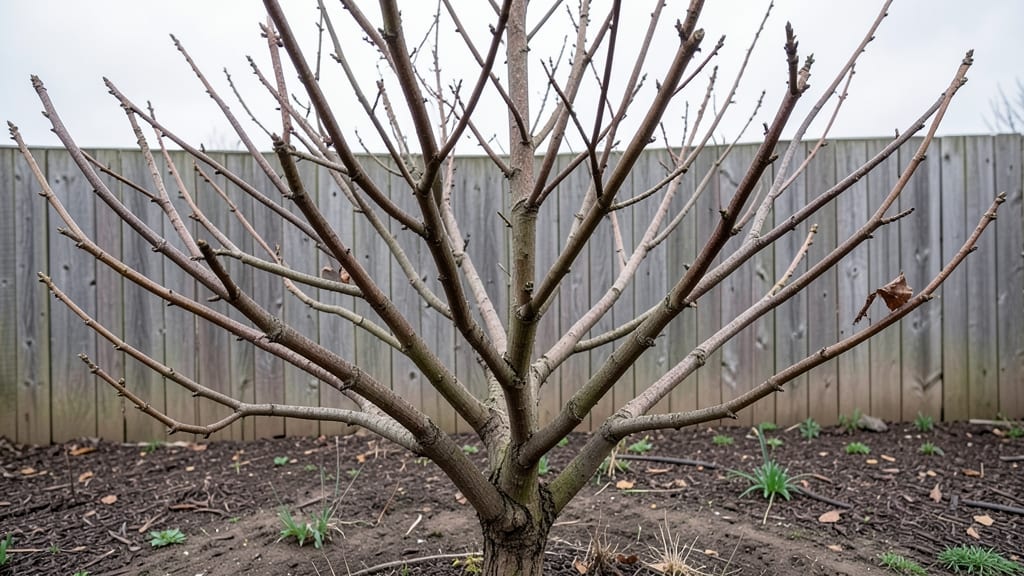
Your forsythia bush not blooming this spring might just need a simple pruning reset—it’s the most common fix for missed golden displays. 🌱 I’ve revived more than a few struggling bushes with just a few strategic cuts, and the blooms always come back stronger.
The key lies in when and how you prune, not how much.
Most people wait too long or cut at the wrong time, which signals the bush to focus on new growth instead of flowers. Forsythias bloom on last year’s wood, so pruning right after flowering—around late May or June—lets the plant build energy for next season’s show.
Overgrown branches? Thin them out by one-third to improve airflow and sunlight penetration.
Within a year, you’ll see thick, vibrant stems loaded with buds ready to burst into color. The blooms arrive earlier, last longer, and the bush stays compact enough to fit even small yards. This method works for both young plants and mature bushes that’ve lost their vigor.
Fair warning: if your bush is over 10 years old, it might need a more aggressive reset—but even then, the golden blooms return with patience. Let’s get those branches trimmed and those buds blooming again.
Why it happens
If your Forsythia bush is stubbornly refusing to burst into its signature golden-yellow blooms, don’t panic—there are clear reasons behind the delay. Forsythias are early spring bloomers, and their flowers appear before the leaves, making them highly sensitive to timing, care, and environmental cues.
Below, we break down the most common culprits—each with actionable insights to help you troubleshoot and revive your bush.
🌡️ Late or Inconsistent Winter Chilling
Forsythias (Forsythia × intermedia) are dormant bloomers, meaning they need a period of cold temperatures (typically 40–50°F for 6–8 weeks) to trigger flower buds. Without adequate chilling:
- Bud formation stalls: Buds require vernalization (a cold-induced physiological shift) to mature. Mild winters or insufficient chill hours can leave buds dormant or undeveloped.
- Signs to watch for:
- No buds or tiny, undeveloped buds by late winter.
- Leaves emerging before flowers (a red flag).
- How to fix it:
- In mild-winter zones (Zones 8–10), simulate chilling by lightly pruning back 1/3 of the oldest stems in early winter to encourage new growth that may respond better to cooler snaps.
- Use a plant chilling unit (for potted forsythias) or move container plants to a cooler garage during winter.
- Choose cold-hardy cultivars like ‘Spectabilis’ or ‘Lynwood Gold’, bred for better chill tolerance.
✂️ Over-Pruning or Poor Timing
Forsythias bloom on old wood (last year’s growth), so aggressive pruning—especially after flowering—can strip away next year’s buds. Common mistakes:
- Pruning too late: Cutting back after mid-summer removes the current year’s flower buds, which form in late summer/early fall.
- Shearing or topping: This removes branches uniformly, creating a "haircut" look that weakens flowering signals and encourages leafy growth over blooms.
- Signs of over-pruning:
- Sparse, leggy growth with few buds.
- Flowers concentrated only on the outer edges of the bush.
How to prune correctly:
- 🔥 Prune immediately after flowering (late spring/early summer) to shape the bush without cutting into old wood.
- 👨🍳 Thin out crowded branches (remove 1/3 of the oldest stems at the base) to improve airflow and light penetration.
- 🌱 Avoid shears: Use hand pruners or loppers to selectively trim back to a bud or branch collar.
💧 Water or Nutrient Imbalance
Forsythias are drought-tolerant but not drought-proof. Stress from water extremes or poor soil can delay or prevent flowering:
| Issue | Cause | Fix |
|---|---|---|
| Underwatering | Shallow roots struggle to access moisture, especially in sandy or rocky soil. Buds abort if the plant is stressed. | 💡 Deep water 1–2x/week in dry spells (1 inch of water per week). Use drip irrigation to target roots. |
| Overwatering | Soggy soil leads to root rot or fungal issues, weakening the plant’s energy reserves for blooms. | ✨ Improve drainage: Amend clay soil with compost or perlite. Ensure pots have drainage holes. |
| Nutrient deficiency | Low phosphorus (P) or potassium (K) delays flower bud formation. Over-fertilizing with nitrogen (N) promotes leafy growth at the expense of blooms. | 🎯 Feed in early spring with a balanced 10-10-10 or 5-10-10 fertilizer. Avoid high-nitrogen lawn fertilizers. |
☀️ Light or Location Stress
Forsythias thrive in full sun (6+ hours/day), but poor light or sudden changes can disrupt flowering:
- Too much shade: Buds may form but fail to open, or the plant shifts energy to leaf growth. Common in urban settings with tall trees.
- Sudden shade: New construction or tree growth casting shade can confuse the plant’s photoperiod (light cycle), delaying blooms.
- Signs of light stress:
- Long, sparse branches with few buds.
- Leaves appear smaller or darker green than usual.
Solutions:
- 🌿 Relocate potted forsythias to a sunnier spot before bud break (late winter).
- 🏗️ Prune nearby trees to increase sunlight exposure gradually (avoid sudden shocks).
- 💡 Use reflective mulch (like white gravel) around the base to bounce light onto lower branches.
🐛 Pest or Disease Damage
Hidden pests or pathogens can sap energy from your forsythia, leaving it too weak to flower:
- Common culprits:
- Aphids or scale insects: Sap-sucking pests that weaken stems and reduce bud viability.
- Powdery mildew: Fungal disease that coats leaves/buds, blocking sunlight and nutrients.
- Canker diseases: Bacterial/fungal infections that girdle branches, cutting off nutrient flow.
- Signs to spot:
- Sticky residue ("honeydew") on leaves.
- White powdery patches on buds/leaves.
- Blackened or sunken areas on stems.
Treatment steps:
- 🔥 Spray with neem oil (for pests) or baking soda solution (1 tsp baking soda + 1 quart water + drop of dish soap) for mildew.
- 🔪
How to solve it
Don’t let a lackluster forsythia dash your springtime dreams! With the right approach, you can coax those vibrant yellow blooms back into action. Below, we’ve mapped out practical fixes for the most common reasons your bush isn’t blooming—plus prevention tips to keep it thriving for years. Let’s get growing!
###
🌱 1. Wrong Pruning Timing: Trim Too Late or Too Early
Forsythias bloom on old wood, meaning last year’s growth produces this year’s flowers. If you prune after blooming (or worse, in late summer/fall), you’re cutting off next year’s buds. Fix it:
- ⏰ Prune right after flowering (late April to early May) to shape the bush without sacrificing buds.
- 🔪 Use clean, sharp shears to make angled cuts just above a bud or branch junction.
- 🌿 Avoid heavy pruning—remove only dead, crossing, or overcrowded branches (never more than 1/3 of the bush).
Prevention tip: Mark your calendar! Set a reminder to prune immediately after the last yellow bloom fades. 📅
###
🌡️ 2. Environmental Stress: Too Much Heat, Cold, or Shade
Forsythias thrive in full sun (6+ hours/day) and moderate climates. Too much shade, extreme heat, or late frosts can stall blooms. Fix it:
- ☀️ Move or thin nearby plants to restore sunlight exposure. Aim for at least 6 hours of direct sun.
- 💦 Water deeply but infrequently—drought stress weakens blooming. Soak the root zone 1–2 times per week (adjust for clay/sandy soil).
- ❄️ Protect from late frosts by covering young bushes with frost cloth if temps dip below 28°F.
Prevention tip: Plant forsythias in south- or west-facing spots where they’ll bask in morning/afternoon sun. Avoid low-lying areas where cold air pools. 🌞
###
🍄 3. Poor Soil or Over-Fertilizing: Too Much Nitrogen
Forsythias need balanced nutrients, but too much nitrogen (from lawn fertilizer or manure) promotes leafy growth at the expense of flowers. Fix it:
- 📊 Test your soil (use a DIY kit or send a sample to a local extension office). Ideal pH: 6.0–7.0.
- 🌱 Amend soil with compost (2–3 inches worked into the top 6 inches of soil) for organic matter and micronutrients.
- 🚫 Avoid high-nitrogen fertilizers (like 30-0-0). Instead, use a balanced, bloom-boosting formula (e.g., 10-10-10 or 5-10-5) in early spring.
Pro tip: A handful of bone meal (high in phosphorus) can encourage flowering. Sprinkle it around the base in early spring and water it in. 💡
###
🦠 4. Disease or Pest Damage: Hidden Threats
Fungal diseases (like powdery mildew) or pests (e.g., scale insects) can sap energy from your forsythia, leading to sparse blooms. Fix it:
- 🔍 Inspect leaves and stems for signs of pests (sticky residue, tiny bumps) or fungi (white powder, black spots).
- 💧 Improve airflow by pruning dense branches and watering at the base (not overhead) to prevent mildew.
- 🛡️ Treat pests naturally:
- Spray with neem oil (follow label instructions) for soft-bodied insects.
- Use horticultural oil in dormant season (late fall/winter) to smother scale.
- 🌿 Fungal issues? Apply copper fungicide (like Bordeaux mixture) as a preventive spray in early spring.
Prevention tip: Mulch around the base with 2–3 inches of wood chips to deter soil-borne diseases. Keep mulch 3 inches away from the trunk to prevent rot. ✨
###
🌿 5. Overcrowding or Root Bound: Space to Grow
If your forsythia is cramped (by other plants, a tight pot, or compacted soil), it won’t have the energy to bloom. Fix it:
- 📏 Check spacing: Forsythias need 4–6 feet of space to mature. Thin nearby plants or transplant if needed.
- 🪴 Container-bound? Repot into a larger container (1–2 sizes up) with fresh, well-draining soil.
- 🕳️ Loosen compacted soil by gently fork-tilling the top 6 inches of the root zone (avoid damaging roots).
Pro tip: If transplanting, do it in early spring (before new growth starts) and water deeply for 2 weeks to reduce shock. 💧
Final Encouragement: Forsythias are resilient! With these fixes, you’ll likely see bold, cheerful blooms next spring. Start with one or two solutions this season, and your golden bush will be back to stealing the show. 🌟
Frequently asked questions
Why does my forsythia bush need proper pruning to bloom?
Forsythia bushes bloom on last year’s wood, meaning the buds form in late summer and need to remain intact until spring. If you prune after flowering or too aggressively, you remove next year’s buds. Pruning right after blooming (late spring/early summer) helps shape the bush while preserving those precious buds for next season’s golden display.
How can I tell if my forsythia isn’t getting enough winter chilling?
Check for tiny or undeveloped buds by late winter or leaves emerging before flowers. Forsythias need 6-8 weeks of temperatures between 40-50°F to trigger bud formation. In mild climates (Zones 8-10), you may need to simulate chilling by lightly pruning older stems in early winter or moving potted plants to a cooler location.
What should I do if my forsythia has no buds at all?
Start by examining the plant for pests or disease like aphids, scale, or powdery mildew. Next, ensure it’s getting full sun (6+ hours/day) and well-draining soil. If these basics are covered, focus on fertilizing with phosphorus-rich amendments like bone meal in early spring to encourage bud formation. Patience is key—it may take a year to see results after addressing the root causes.
Can I save a forsythia bush that hasn’t bloomed in years?
Even older bushes can revive with targeted care. Start by thinning out crowded branches (remove 1/3 of oldest stems) to improve airflow and sunlight penetration. Apply a balanced fertilizer in early spring and ensure proper watering—deep soaks 1-2 times per week during dry spells. With consistent attention, many forsythias bounce back with vibrant blooms within 1-2 years.
What’s the best way to prevent future blooming issues?
Set a reminder to prune immediately after flowering (late April-early May) and avoid heavy pruning later in the season. Choose a sunny location with well-draining soil, and apply a phosphorus-rich fertilizer in early spring. Monitor for pests and diseases, and mulch around the base (keeping mulch 3 inches away from the trunk) to maintain soil health. These simple steps create the perfect conditions for annual golden blooms!