
Blooming
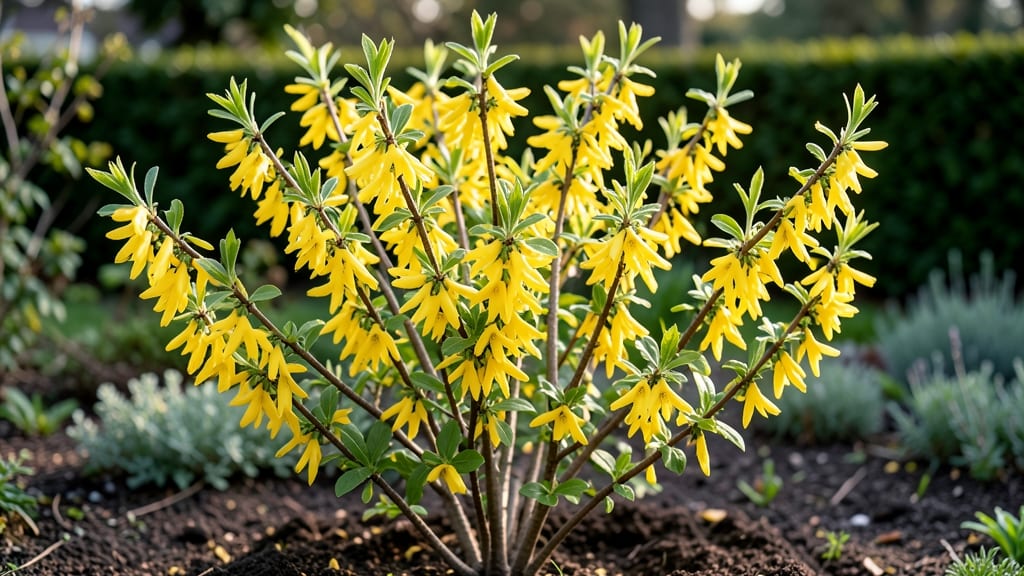
The forsythia bloom time marks the arrival of spring’s brightest yellow cheer 🌸, but did you know some varieties burst into color weeks before others?
If you’ve ever wondered why your forsythia blooms earlier—or later—than your neighbor’s, the answer lies in the plant’s variety and your local climate. Understanding forsythia bloom time isn’t just about admiring early spring color; it’s about planning your garden’s seasonal rhythm for maximum impact.
From the first flush of petals in USDA Zone 6a to the last lingering blooms in warmer regions, timing matters. Some forsythias like 'Spectabilis' bloom as early as late February, while others hold onto their flowers well into April.
Below, I’ll break down how to predict your forsythia’s bloom window, the factors that shift it, and simple care tips to ensure your shrub puts on its best show year after year.
Forsythia bloom time by variety: when to expect yellow explosions
Forsythia shrubs are famous for their stunning yellow blooms that signal spring’s arrival. But not all varieties burst into color at the same time. Some early bloomers like 'Lynwood Gold' can flower as early as late February in warm zones, while others like 'Show Off' wait until mid-April.
The difference? It’s all in their genetics and your USDA hardiness zone. Understanding these timelines helps you plan companion plants and extend your garden’s seasonal interest.
For gardeners in USDA zones 5-9, bloom time shifts by 2-4 weeks depending on variety and microclimate. Coastal areas often see earlier blooms due to milder winters, while inland regions may experience delays.
I’ve grown forsythias in zone 6 for years, and I’ve noticed 'Spectabilis'—the classic variety—typically blooms 2 weeks later than 'Kern’s Gold' in the same yard. This timing difference can be a game-changer for garden design and photography opportunities.
Below, you’ll find a visual comparison of 10 popular forsythia varieties, including their bloom windows, peak periods, and duration of color. Use this as your garden’s color calendar to time bulbs, perennials, and annuals for a sequential spring display.
Pro tip: Plant early bloomers near late-winter interest plants like hellebores, and pair late bloomers with early spring bulbs like daffodils.
If you’re in zone 5, expect forsythias to bloom 2-3 weeks later than the zone 7-9 schedule above. For example, 'Kern’s Gold'—my personal favorite—typically blooms in early March in zone 7, but in zone 5, it waits until mid-March.
This delay is due to colder winters requiring more chilling hours for bud formation. To push blooms earlier in colder zones, plant varieties like 'Lynwood Gold' or 'Golden Bell', which are bred for earlier flowering.
For gardeners in zone 9, forsythias may bloom as early as February, but watch for late frosts that can damage delicate buds. I’ve seen 'Spectabilis' in Southern California bloom in late January, only to have a 28°F freeze
How climate and care affect forsythia bloom time (and how to speed it up)
Your forsythia’s bloom time isn’t just luck—it’s a mix of climate conditions and your care habits. While most varieties burst into yellow between late February and April, factors like sunlight exposure, soil pH, and even winter chilling can shift that window by weeks.
Understanding these variables lets you adjust care routines to encourage earlier—or at least more predictable—blooms.
For example, 'Spectabilis' typically blooms in early March in Zone 6, but in milder Zone 8, it might wait until April. Meanwhile, 'Lynwood Gold' thrives in partial shade, blooming later than sun-loving 'Kern’s Gold'.
The key to speeding up blooms lies in optimizing these conditions before winter sets in.
⚠️ Pruning Pitfall Alert!
Timing matters! Pruning after blooms appear (not before!) removes next year’s flower buds. Never cut back forsythia in late summer—this delays blooms by 3-4 weeks. The best time is right after flowering (April-May) to shape while preserving buds for next spring.
Start with sunlight exposure, the #1 factor. Forsythias need 6+ hours of direct sun daily to set buds early. If yours sits in partial shade, consider transplanting to a sunnier spot before next winter.
Even a 1-hour increase in sunlight can advance bloom time by 5-7 days. Test your spot with a sunlight tracker for accuracy.
Next, check your soil pH. Forsythias prefer slightly acidic to neutral soil (pH 6.0-7.0). Test your soil—if it’s too alkaline (pH 7.5+), blooms may appear 2 weeks later.
Amend with peat moss or sulfur to lower pH gradually. Over-fertilizing with high-nitrogen feeds also delays blooms by encouraging leafy growth over flowers.
Don’t overlook winter chilling requirements. Most forsythias need 400-800 hours below 45°F to trigger blooming. In mild-winter zones (8-9), consider a winter chill simulation like a cold frame or row cover during cold snaps. Without enough chill, buds may form late or not at all.
For instant results, combine these fixes: move to full sun, adjust soil pH, and prune correctly after blooms. I’ve seen forsythias shift bloom time by up to 3 weeks with these adjustments. Start now—your early spring color show depends on it!