
Blooming
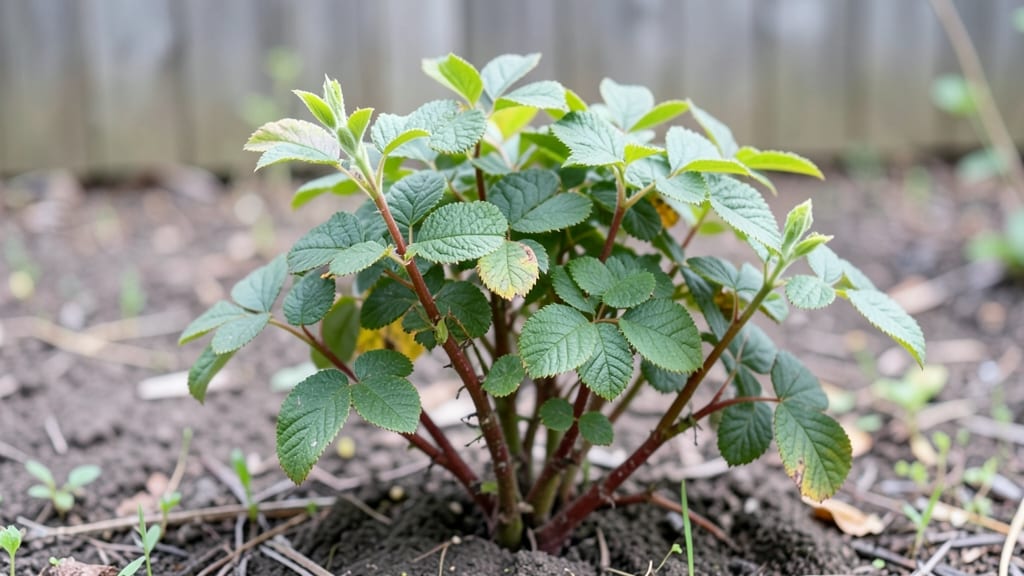
When your flowers refuse to bloom, it’s not always a lost cause—just a signal they need something different. 🌸 I’ve nursed back more than a few struggling plants by adjusting just one factor, and the difference is night-and-day: buds popping within weeks instead of months.
The key is spotting the subtle clues your plants give you before they give up entirely.
Most blooming failures come down to three big mistakes: not enough light, over-fertilizing with the wrong stuff, or pruning at the wrong time. I’ve seen leggy plants suddenly perk up after moving them to a sunlit spot, and I’ve watched overwatered roses rebound when I cut back on the nitrogen.
The good news? Each fix is simpler than you think—and none require a green thumb.
By the end of this, you’ll know exactly how to coax your plants back to life. We’re talking velvety petals, fragrant blooms, and that neighbor-jealousy level of curb appeal. Start with the light check—if your plants are stretching toward the window, they’re begging for more sun.
Once you’ve ruled out light issues, we’ll tackle soil, pruning, and seasonal timing. The best part? These tricks work for everything from impatiens to roses. Let’s get those buds blooming again—no guesswork, just results.
Root Causes Behind Stubborn Blooms
When your prized flowers refuse to burst into color, it’s rarely a random act of nature—it’s usually a clear signal from your plants. Understanding the why behind the wilting dreams of blooms is the first step to reviving them.
Below, we break down the most common culprits, backed by science, and explain how to spot them before they derail your garden’s glory.
🌱 Insufficient Light Exposure
Light is the fuel for photosynthesis, and without enough of it, flowers simply won’t bloom. Most flowering plants need 6–8 hours of direct sunlight daily, though some (like impatiens or ferns) tolerate partial shade.
The issue? Many gardeners underestimate indirect light or assume artificial grow lights can fully replace natural sunlight.
- Signs: Leggy stems, sparse foliage, or leaves stretching toward light sources.
- Science behind it: Low light triggers etiolation, where plants prioritize stem growth over energy-intensive blooms. Hormones like auxin dominate, suppressing flowering signals.
- Fix:
- Move potted plants to sunnier spots (south- or west-facing windowsills are ideal).
- Rotate containers weekly for even growth.
- Supplement with full-spectrum LED grow lights (12–16 hrs/day) if natural light is limited.
💧 Watering Woes: Too Much or Too Little
Water is a double-edged sword—both drought and soggy roots can sabotage blooms. Flowers need consistent moisture, but their roots must also breathe. Overwatering suffocates roots, while underwatering stresses the plant into survival mode (no energy for flowers!).
| Problem | Signs | Root Cause | Solution |
|---|---|---|---|
| Underwatering | Crispy leaf edges, wilting, dry soil | Plants prioritize root survival over blooms when dehydrated. | Water deeply 1–2x weekly (check soil moisture 2" down). Use drip irrigation for consistency. |
| Overwatering | Yellowing leaves, moldy soil, root rot | Oxygen deprivation in roots blocks nutrient uptake, including flowering triggers like phosphorus. | Let soil dry 1–2 inches between waterings. Improve drainage with perlite or raised beds. |
🌡️ Temperature and Seasonal Shifts
Flowers are seasonal creatures, and their blooming cycles are tightly linked to temperature. Too hot or too cold can throw their internal clocks off. For example, cool-season bloomers (like pansies) need 50–65°F to set buds, while tropical varieties (e.g., hibiscus) wilt below 60°F.
- Signs: Buds dropping before opening, stunted growth, or flowers appearing too early (often stressed by heat).
- Science behind it: Temperature regulates florigen, a hormone that signals blooming. Extreme heat or cold blocks its production.
- Fix:
- Move heat-sensitive plants to partial shade during summer peaks.
- Use row covers or cold frames for frost-prone varieties.
- For indoor plants, keep temps 65–75°F and avoid drafts.
🍽️ Nutrient Deficiencies or Imbalances
Flowers are nutrient hogs, especially during budding. A lack of key nutrients—like phosphorus (P) or potassium (K)—can leave your plants leafy but barren. Even too much nitrogen (N) (the "leafy green" fertilizer) can delay blooms, as plants focus on foliage instead.
| Missing Nutrient | Visual Clues | Impact on Blooms | Quick Fix |
|---|---|---|---|
| Phosphorus (P) | Dark green leaves, purple stems, slow growth | Phosphorus triggers flowering hormones; deficiency = no blooms. | Apply bone meal or a 5-10-10 fertilizer (high P). |
| Potassium (K) | Yellowing leaf edges, weak stems | Potassium helps root and flower development; low levels = weak buds. | Use wood ash or a balanced fertilizer (e.g., 10-10-10). |
| Too Much Nitrogen (N) | Lush green leaves, no buds, leggy growth | Nitrogen fuels leafy growth at the expense of blooms. | Switch to a low-N, high-P/K fertilizer (e.g., 7-9-5). |
🌿 Overcrowding and Poor Airflow
Plants in a tight squeeze compete for resources—and blooms often lose. Overcrowding also traps humidity, creating the perfect conditions for fungal diseases (like powdery mildew), which can stress plants into skipping their flowering phase.
- Signs: Small, sparse leaves; buds failing to open; increased pests (e.g., aphids).
- Science behind it: Poor airflow reduces transpiration (water evaporation), which slows nutrient transport—including flowering signals.
- Fix:
- Thin out plants to allow 3–6 inches of space between them (check plant tags for spacing needs).
- Prune overly dense foliage to improve airflow.
- Space containers 2–3 inches apart to prevent fungal spread.
Pro Tip: 💡 Most blooming failures are a combo of 2–3 issues! Start with light and water, then check nutrients. If buds still refuse to open, your plant might need a rest period—some (like roses) require 6–8 weeks of cooler temps to trigger flowering.
Revive Your Plants With These Fixes
Now that you understand why your flowers might be skipping their bloom, let’s roll up our sleeves and get them back on track! The good news? Most issues have simple, actionable solutions. Below, we’ve matched common causes to their fixes—plus prevention tips to keep your garden thriving long-term.
🌱 Too Little Sunlight? Boost Their Light Exposure
Fix: Move plants to a sunnier spot—gradually to avoid shocking them.
- For indoor plants: Rotate pots weekly so all sides get even light. South- or west-facing windows are ideal.
- For outdoor plants: If shade is the issue, trim nearby trees or relocate to a sunnier bed.
- Low-light lovers? Opt for varieties like peace lilies or snake plants, which tolerate dimmer conditions.
✨ Prevention Tip: Research your plant’s light needs before buying. Labels often include care tags with sunlight requirements!
💧 Overwatering or Underwatering? Find the Goldilocks Zone
Fix: Check soil moisture before watering—stick your finger 1–2 inches deep. If it’s dry, water; if damp, wait.
- Overwatered? Let the top 3–4 inches dry out completely between waterings. Ensure pots have drainage holes.
- Underwatered? Water deeply until it drains from the bottom, then empty the saucer to prevent root rot.
- Pro Tip: Use a moisture meter for tricky plants like orchids or succulents.
💡 Prevention Tip: Group plants with similar water needs together. A drip irrigation system can automate consistency!
🌡️ Temperature or Humidity Issues? Adjust the Climate
Fix: Most blooming plants thrive in 60–75°F (15–24°C) during the day and 50–60°F (10–15°C) at night.
- Too cold? Move potted plants indoors or cover outdoor beds with frost cloth.
- Too hot/dry? Increase humidity with a pebble tray (fill a tray with water and stones, place plants on top) or a humidifier.
- Drafty spots? Avoid placing plants near AC vents, heaters, or open windows in winter.
🎯 Prevention Tip: Know your plant’s hardiness zone! Tropical plants (like hibiscus) need warmth, while perennials (like lavender) tolerate cooler climates.
🍄 Root Bound or Poor Soil? Refresh Their Home
Fix: If roots are circling the pot or soil is compacted, it’s time for a soil upgrade or repotting.
- Repotting steps:
- 🔥 Gently remove the plant from its pot, loosening roots if they’re tangled.
- 🍳 Trim any mushy or circling roots with sterilized scissors.
- 👨🍳 Place in a slightly larger pot with fresh, well-draining potting mix (add perlite or sand for aeration).
- For in-ground plants: Amend the soil with compost or organic matter to improve drainage and nutrients.
✨ Prevention Tip: Repot every 1–2 years or when roots outgrow the container. Top-dress with compost annually to refresh nutrients.
🌿 Nutrient Deficiency? Feed Them Right
Fix: Yellow leaves or stunted growth? It’s time to fertilize—but less is more.
- Quick fixes:
- 📊 Use a balanced liquid fertilizer (10-10-10 or 20-20-20) diluted to half-strength every 4–6 weeks during growing season.
- 🥗 For bloomers: Switch to a phosphate-rich fertilizer (like 5-10-5) when buds form to encourage flowers.
- 🍎 Organic options: Fish emulsion, worm castings, or banana peel tea (high in potassium) work wonders.
- Avoid over-fertilizing! This can burn roots and halt blooming.
💡 Prevention Tip: Test your soil every 2–3 years with a home kit. Adjust pH (most flowers prefer 6.0–7.0) if needed.
🐛 Pests or Disease? Treat It Fast
Fix: Inspect leaves and stems for aphids, spider mites, or fungal spots. Act quickly!
- Pests:
- 🔪 Spray with neem oil (mix 1 tsp with 1 quart water + a drop of dish soap) or insecticidal soap.
- 🌿 For severe infestations: Use horticultural oil or introduce ladybugs (natural predators).
- Fungal issues (like powdery mildew):
- ⏰ Prune affected leaves and 🌡️ improve airflow by thinning plants.
- 💦 Water at the base (not overhead) to keep foliage dry.
🎯 Prevention Tip: Quarantine new plants for 2 weeks before introducing them to your garden. Healthy soil = fewer pests!
🌸 Pruning for Better Blooms
Fix: Overgrown or leggy plants often bloom less. Prune strategically!
- 🔪 For flowering shrubs (like roses or hydrangeas):
- Cut back dead or crossing branches in early spring.
- Trim 1/3 of old wood to encourage new growth (and more blooms!).
- 🌿 For annuals (like petunias or geraniums):
- Pinch back the tips of stems to promote bushiness and flowering.
- Remove spent blooms regularly to prevent seed production (which drains energy).
✨ Prevention Tip: Learn your plant’s pruning needs—some (like lavender) bloom on old wood and should never be cut back hard!
🕒 Timing Matters: When to Expect Blooms
Fix: Some plants need cold dormancy or specific light cycles to flower.
- 🌙 Short-day plants (like poinsettias or chrysanthemums): Need 12+ hours of darkness to bloom. Use blackout curtains if indoors.
- 🌞 Long-day plants (like snapdragons): Require 14+ hours of light. Supplement with a grow light if needed.
- 🌡️ Seasonal bloomers (like bulbs): Plant daffodils, tulips, or hyacinths in fall for spring blooms. Divide clumps every 3–4 years.
💡 Prevention Tip: Keep a plant care journal to track when you fertilize, prune, and repot. Patterns emerge over time!
🌿 Last Resort: Replace or Reset
If your plant is beyond saving (e.g., root rot, severe disease), don’t hesitate to propagate or replace it.
- 🌱 Propagate from cuttings (many herbs, succulents, and shrubs root easily in water or soil).
- 🛒 Choose replacements with similar care needs to avoid repeating mistakes.
Remember: Patience is key! Some plants take weeks or months to recover. Celebrate small wins—like new leaves or buds—and keep tweaking until you see those vibrant blooms again. 🌸
Frequently asked questions
Why are my flowers producing leaves but no blooms?
This is often caused by an excess of nitrogen in your fertilizer, which encourages leafy growth over flowers. Switch to a low-nitrogen, high-phosphorus fertilizer (look for numbers like 5-10-5 or 7-9-5) to encourage blooming. Over-fertilizing can also stress plants, so always follow package instructions and avoid overdoing it.
How do I know if my plant needs more light?
Check for leggy stems, leaves stretching toward light sources, or sparse foliage—these are clear signs your plant isn’t getting enough sunlight. Most flowering plants need 6–8 hours of direct light daily. Try moving potted plants to a sunnier windowsill or supplementing with a grow light for 12–16 hours a day.
Can I revive a plant that’s been blooming poorly for months?
Start by assessing the basics: light, water, and nutrients. Prune any dead or overgrown branches, repot if the roots are bound, and switch to a blooming-specific fertilizer. Some plants, like roses, also need a rest period of cooler temps (around 50–60°F) for 6–8 weeks to trigger blooming. Patience is key—results often appear within weeks!
What’s the best way to encourage blooms on indoor plants?
Indoor plants often struggle with light and humidity. Place them near a south- or west-facing window for the most natural light. Rotate pots weekly for even growth, and use a humidifier or pebble tray to mimic outdoor conditions. For blooming plants, switch to a high-phosphorus fertilizer during their growing season.
Why do my flowers bloom once and then stop?
Many plants bloom once and then enter a rest period before producing more flowers. For annuals, deadhead spent blooms to encourage continuous flowering. For perennials and shrubs, they may need a pruning reset in early spring or a seasonal change in care, like reducing water or fertilizer during dormancy.