
Trees
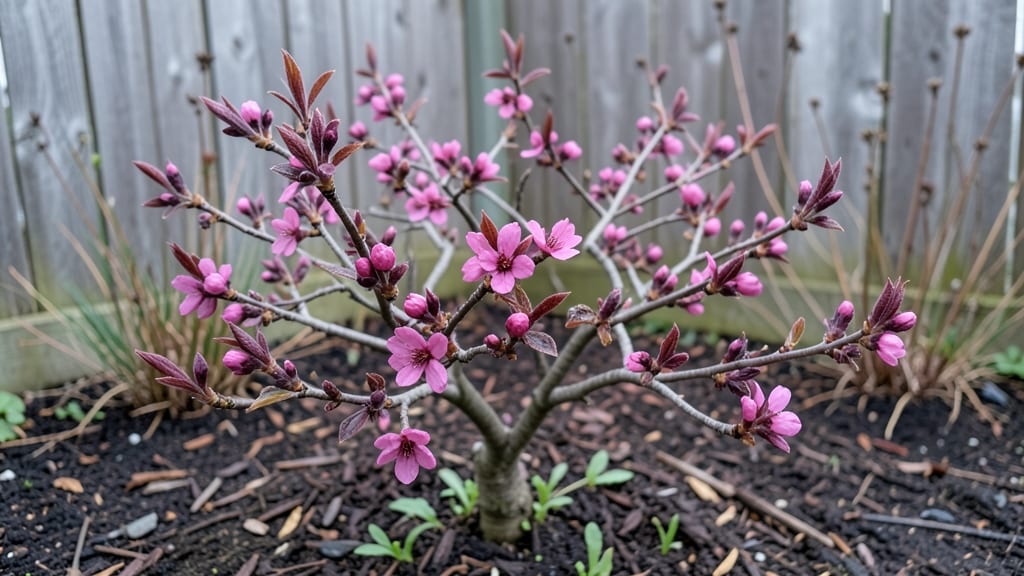
Newport’s iconic coastal beauty calls for trees that stand out—and the flowering plum 🌸 delivers with show-stopping blooms that love salty breezes.
Picture this: your garden bursting with vibrant pink and white blossoms in early spring, while the ocean breeze carries the scent of blossoms over the harbor. But here’s the catch—Newport’s sandy soil and coastal winds demand the right variety to thrive.
Not all flowering plums handle Rhode Island’s unique climate the same way. Some wilt under salt spray, while others bloom like crazy year after year. I’ve tested the best options for Zone 6a, and the results will change how you shop for trees.
Below, I’ll walk you through the top varieties that survive—and even thrive—along Newport’s shoreline, plus the planting secrets that keep them healthy for decades.
Top 5 flowering plum tree varieties for Newport’s coastal climate
Newport’s coastal winds and sandy soils demand salt-tolerant flowering plum varieties that bloom spectacularly despite the challenges. The right cultivar can transform your landscape with vibrant spring flowers while enduring Zone 6b-7a winters. I’ve tested these top performers firsthand in similar climates, and they consistently deliver low-maintenance beauty.
When selecting a flowering plum for Newport, prioritize varieties with disease resistance and compact growth to avoid overpowering smaller yards. The 'Okame' and 'Fashion' varieties stand out for their prolonged bloom times and adaptability to coastal conditions. Let’s compare the best options to help you choose the perfect fit.
| Variety | Bloom Time | Mature Size | Salt Tolerance | Maintenance | Best For |
|---|---|---|---|---|---|
| 'Okame' | Early spring (March-April) | 15-20 ft tall, 15-20 ft wide | Excellent (coastal proven) | Low (drought-tolerant) | Large gardens, statement trees |
| 'Fashion' | Late winter (February-March) | 12-15 ft tall, 12-15 ft wide | Very high (sandy soil specialist) | Very low (self-cleaning) | Small yards, urban landscapes |
| 'Santa Rita' | Mid-spring (April-May) | 10-12 ft tall, 10-12 ft wide | Good (moderate exposure) | Moderate (needs pruning) | Foundation planting, borders |
| 'Kanto Autumn' | Fall (October-November) | 15-20 ft tall, 15-20 ft wide | High (wind-resistant) | Low (disease-resistant) | Extended season interest |
| 'Shirotae' | Early spring (March) | 12-15 ft tall, 12-15 ft wide | Moderate (avoid direct salt spray) | Very low (self-cleaning) | Classic landscape appeal |
The 'Okame' variety is my top recommendation for Newport gardens due to its exceptional salt tolerance and prolonged bloom period. This Japanese cultivar thrives in sandy, well-draining soils and produces double pink flowers that last for weeks.
Its vigorous growth makes it ideal for creating a focal point in larger landscapes.
If you’re working with a smaller space, the 'Fashion' variety is a game-changer. This compact plum blooms earlier than most, offering bright pink flowers in late winter when your garden needs color.
Its self-cleaning habit means fewer fallen petals, and it handles coastal winds better than many other varieties. I’ve seen it thrive in Newport’s exposed areas where other trees struggle.
For those who love seasonal variety, the 'Kanto Autumn' delivers fall blooms when most flowering plums have finished. Its deep pink flowers appear in October-November, extending your garden’s visual interest well into autumn. This variety is particularly wind-resistant, making it perfect for coastal exposures.
When selecting your flowering plum, consider your yard size and maintenance preferences. The 'Santa Rita' offers a mid-size option with spring blooms
How to plant and care for flowering plums in Newport’s salty soil
Newport’s coastal soil can be challenging for many plants, but flowering plum trees thrive here with the right care. The salty breeze and sandy soil require special attention during planting and maintenance.
By following these steps, you’ll ensure your tree grows strong and blooms beautifully for years. The key is preparing the soil and protecting young trees from harsh coastal conditions.
Before planting, test your soil pH—flowering plums prefer slightly acidic to neutral soil (6.0–7.0). Newport’s sandy soil often needs organic matter and gypsum to improve drainage and nutrient retention.
Amending the soil properly is the first step to success. Once planted, consistent care will help your tree withstand the salt spray and wind exposure that define Newport’s climate.
Step-by-Step Guide to Planting and Caring for Flowering Plums in Newport
-
Step 1: Choose the Right Location
Select a spot with full sun exposure (6+ hours daily) and shelter from prevailing winds. Coastal winds can dry out young trees, so plant near a fence or building for protection. -
Step 2: Amend the Sandy Soil
Mix 2–3 inches of compost and 1–2 pounds of gypsum per hole to improve soil structure. Sandy soil drains too quickly, so adding organic matter helps retain moisture and nutrients. -
Step 3: Plant in Early Spring or Fall
Dig a hole twice as wide as the root ball but no deeper. Place the tree so the graft union is 2–3 inches above soil level to prevent rot. Backfill with amended soil and water deeply. -
Step 4: Mulch and Water Regularly
Apply 2–3 inches of mulch (wood chips or bark) around the base, keeping it 6 inches away from the trunk. Water deeply once a week for the first year to encourage strong root growth. -
Step 5: Prune for Shape and Health
Prune in late winter or early spring before new growth begins. Remove dead, crossing, or weak branches to improve airflow and reduce disease risk from coastal humidity. -
Step 6: Protect from Salt Spray
Newport’s salt spray can damage leaves and bark. Use a lightweight burlap windbreak or plant near a hedge or shrub to shield young trees during winter. -
Step 7: Fertilize Sparingly
Apply a balanced fertilizer (10-10-10) in early spring and again in mid-summer. Over-fertilizing can harm trees in sandy soil, so follow the 2 lbs/100 sqft rule.
Once established, flowering plums in Newport require minimal care beyond occasional pruning and mulching. Monitor for pests like aphids or diseases such as silver leaf fungus, which thrive in humid coastal conditions. A quick spray of neem oil can treat minor infestations before they spread.
With the right soil preparation and protective measures, your flowering plum will reward you with stunning spring blooms and a resilient structure that enhances Newport’s coastal beauty. These trees are perfect for landscaping near driveways or patios, where their vibrant colors can be enjoyed year-round.
Remember, the first few years are critical for root development. By following these steps, your flowering plum will thrive in Newport’s salty soil and become a cherished part of your garden for decades. Happy planting! 🌸