
Pests
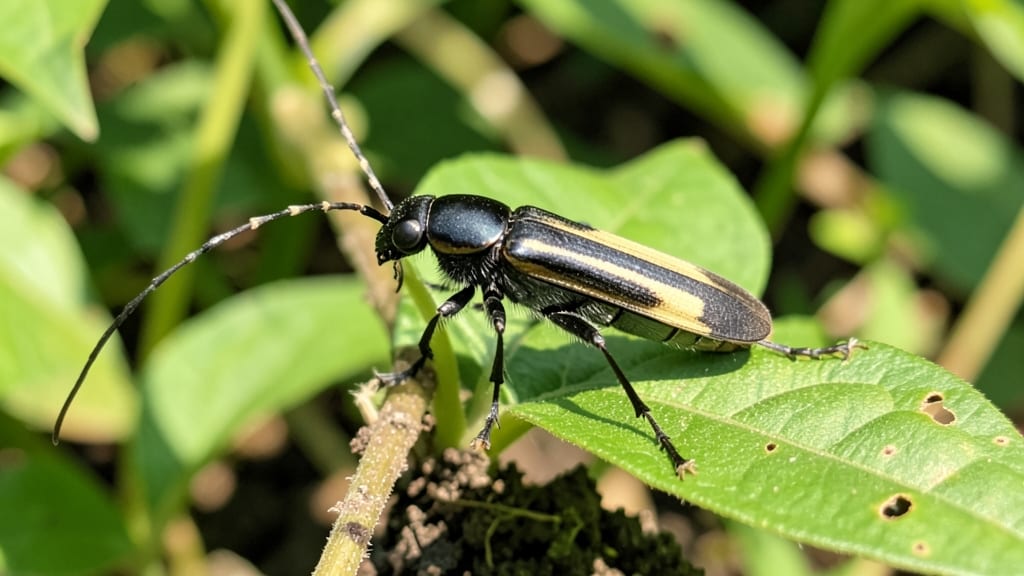
Flower longhorn beetles 🐞 can turn your prized garden shrubs—like willow, cherry, or oak—into chewed-up skeletons in just weeks.
If your garden’s flowers or wooden structures are showing signs of mysterious holes, the culprit might be these wood-boring pests. They start small but leave behind visible damage—sawdust-like frass, wilted blooms, and weakened stems—that’s hard to ignore.
These beetles thrive in summer heat, targeting stressed or injured plants, and their larvae tunnel deep into wood, making them tricky to spot until it’s too late. The good news? With the right identification and early action, you can stop them before they ruin your garden’s beauty.
In this guide, I’ll walk you through how to spot them, the best organic removal methods, and preventive tips to keep your Longhorn Beetle Host Plants (e.g., Willow, Birch, Cherry, Apple, Oak) safe year-round.
How to identify flower longhorn beetles and their damage in gardens
Spotting a flower longhorn beetle early can save your garden from severe damage. These pests, often mistaken for harmless beetles, are wood-borers that target weakened or dead wood in plants and garden structures.
Their larvae tunnel through stems, branches, and even wooden trellises, leaving behind sawdust-like frass and structural damage. I’ve seen them ruin prized roses and fruit trees in just a few weeks!
Adult flower longhorn beetles are easily recognizable by their long antennae, which can be nearly as long as their bodies. Their bodies range from ½ to 1.5 inches and often feature bold color patterns like black with yellow or white stripes.
Look for them crawling on bark, flowers, or garden structures during late spring to summer evenings.
| Stage | Size | Key Features | Damage Signs |
|---|---|---|---|
| Adult Beetle | ½–1.5" | Long antennae, striped patterns, active at dusk | Lay eggs in bark crevices |
| Eggs | 1–2mm | White, oval-shaped, laid in clusters | None (hidden under bark) |
| Larvae | Up to 1.5" | C-shaped, creamy white, legless | Tunnels in wood, sawdust frass |
| Pupae | ½–1" | Brown, immobile, in cocoon | Exit holes in wood |
The most obvious sign of a flower longhorn beetle infestation is exit holes in wood, often accompanied by piles of fine, sawdust-like frass. These holes are usually ¼ to ½ inch wide and often appear on branches, stems, or even wooden garden furniture.
Check your roses, fruit trees, and ornamental shrubs regularly, especially if you notice wilting or dieback in otherwise healthy plants.
Wilting or sudden death of branches is another red flag. Since larvae feed on the vascular system of plants, they disrupt nutrient and water flow. You might also spot chewed wood or weak, hollow-sounding stems when tapped gently. These are clear signs that larvae are actively feeding inside your plants.
If you find sawdust-like frass near the base of your plants or garden structures, act fast. This frass is actually larval waste and confirms their presence. I once found it under a cherry tree and removed the larvae before they could cause irreversible damage.
Collect frass in a sealed bag and dispose of it far from your garden to prevent reinfestation.
Timing is critical when dealing with these pests. Adult beetles emerge in late spring to early summer, so monitor your garden during this period. Look for them on sunny days when they’re most active.
If you spot them early, you can remove them manually or use targeted treatments before they lay eggs.
Don’t overlook wooden structures like trellises, fences, or garden benches. These beetles also target untreated wood, leaving behind tunnels and structural weaknesses. Inspect these areas regularly, especially if you’ve noticed beetles flying around your garden. Treating wood with borax or mineral oil can deter them effectively.
One of the best ways to confirm an infestation is to tap on branches and listen for a hollow sound. Healthy wood should have a solid, resonant tone, while infested wood will sound dull or empty.
This simple test can help you identify affected areas quickly and take action before the damage spreads.
If you’re unsure whether you’ve spotted a flower longhorn beetle, compare it to other common beetles in your area. Their long antennae and striped patterns are unique.
Take a photo and check local gardening forums or extension services for confirmation. Early identification is key to protecting your garden from these destructive pests.
Once you’ve confirmed an infestation, document the damage with photos. This will help you track progress and determine the best course of action. Whether you choose natural remedies or targeted pesticides, acting quickly will save your plants and garden structures from further harm.
Natural and chemical removal methods for flower longhorn beetle infestations
Once you’ve confirmed a flower longhorn beetle infestation, act quickly to prevent further damage. These beetles tunnel into wooden stems and furniture, weakening plants like cherry trees or willow shrubs.
Start with manual removal to reduce their numbers before applying targeted treatments. The key is to disrupt their lifecycle—whether by removing larvae or deterring adults.
For organic gardeners, methods like neem oil or diatomaceous earth are effective yet gentle on plants. Chemical options, such as insecticidal soaps, offer faster results but require careful handling.
Always prioritize plant safety by testing treatments on a small area first. Below, compare the pros and cons of each approach to choose what works best for your garden.
Natural vs. Chemical Removal Methods
- ✅ Pros: Immediate results, no chemicals
- ✅ Pros: Safe for plants and wildlife
- ❌ Cons: Labor-intensive for large infestations
- ❌ Cons: May miss hidden larvae
- ✅ Pros: Organic, disrupts larval growth
- ✅ Pros: Safe for most plants
- ❌ Cons: Requires reapplication (every 7-10 days)
- ❌ Cons: Less effective on adults
- ✅ Pros: Non-toxic, long-lasting
- ✅ Pros: Works on larvae and adults
- ❌ Cons: Can harm beneficial insects
- ❌ Cons: Requires dry conditions
- ✅ Pros: Fast-acting on adults
- ✅ Pros: Low toxicity to plants
- ❌ Cons: Doesn’t reach larvae inside wood
- ❌ Cons: May require protective gear
- ✅ Pros: Highly effective for severe infestations
- ❌ Cons: Harmful to beneficial insects
- ❌ Cons: Risk of plant damage if misused
For manual removal, use a sharp knife or wood chisel to prune infested branches, then burn or dispose of them in sealed bags. Focus on weakened stems or hollow-sounding wood, as these are prime targets.
Apply neem oil or diatomaceous earth to remaining plants by spraying or dusting, respectively. Reapply every 7-10 days during peak beetle activity (late spring to summer).
If using insecticidal soap, mix it with water according to package instructions and spray directly on adult beetles or newly hatched larvae. Avoid spraying in direct sunlight or during windy conditions to prevent plant damage.
For chemical pesticides, opt for permethrin-based products labeled for wood-boring beetles, but follow safety precautions—wear gloves and a mask, and keep pets and children away until dry.
Always monitor treated plants for 2-3 weeks post-treatment. Look for new holes, sawdust-like frass, or wilted foliage as signs of lingering infestations. Combine methods for best results: prune first, then apply organic treatments, and use chemicals only as a last resort.
Your garden’s health and beauty depend on swift, strategic action!
🌿