
Blooming
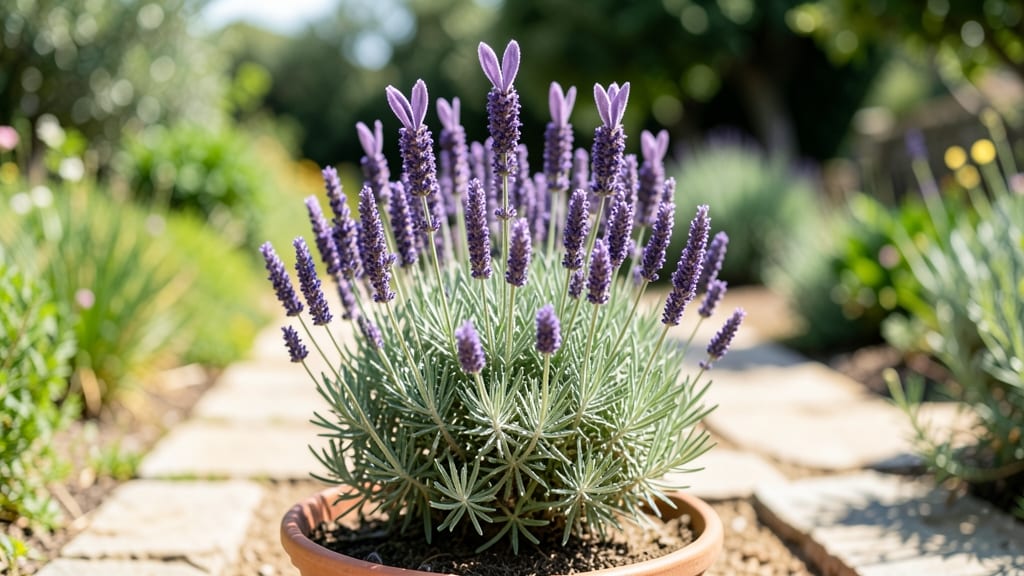
Spanish lavender blooms in mid to late summer 🌸, with fragrant spikes that last for weeks—but only if you time everything right.
If you’ve ever planted Spanish lavender hoping for those signature purple spikes—only to wait in disappointment—you’re not alone. Timing everything from planting to blooming is the key to unlocking fragrant, vibrant flowers year after year.
In USDA Zone 6, where most gardeners grow it, blooms typically appear between July and August, though varieties like ‘Anouk’ can start earlier. Mediterranean climates push blooms even sooner, while cooler zones may see a delayed show.
Below, I’ll break down how sunlight, pruning, and soil affect bloom time—and the 3 simple tricks to extend those fragrant spikes for weeks longer.
Spanish lavender bloom time by variety: when to expect fragrant spikes
Spanish lavender (Lavandula stoechas) steals the show with its striking purple bloom spikes, but timing is everything. Unlike English lavender, Spanish varieties bloom earlier in the season—often as early as late spring—and their bloom windows vary dramatically by cultivar.
Knowing which variety thrives in your USDA zone and when to expect those fragrant flower spikes can mean the difference between a disappointing wait and a showstopping display.
I’ve grown Spanish lavender for years, and the bloom timing surprises even seasoned gardeners. Some varieties like ‘Anouk’ burst into bloom by May, while others like ‘Otto Quast’ wait until July.
Below, I’ve broken down the bloom windows for the most popular varieties, including early-season, mid-season, and late-season performers—plus how to adjust their bloom time based on your climate.
📌 Pro Tip: Spanish lavender typically blooms once per year, but with the right pruning and care, you can coax a second, lighter flush in late summer. I’ll share my top tricks later in this guide.
| Variety | Bloom Time | USDA Zones | Height (ft) | Climate Notes |
|---|---|---|---|---|
| ‘Anouk’ | Late May–June | 5–9 | 1.5–2 | Early bloomer; thrives in cooler climates (Zones 5–7). |
| ‘Hidcote’ | td style="padding: 10px;">June–July6–9 | 1–1.5 | Compact; loves hot, dry summers (Zones 7–9). | |
| ‘Otto Quast’ | July–August | 5–9 | 2–3 | Late-season; drought-tolerant; ideal for arid regions. |
| ‘Papillon’ | June–July | 6–9 | 1–1.5 | Unique butterfly-shaped blooms; prefers well-drained soil. |
| ‘Phenomenal’ | June–August | 5–9 | 2–2.5 | Longest bloom time; great for containers and borders. |
If you’re in a warmer climate (Zones 8–9), Spanish lavender often blooms earlier—sometimes as early as April—while cooler zones (5–6) may see blooms delayed until June or July.
For example, my ‘Anouk’ in Zone 6 blooms in late May, but a friend in Zone 9 reports blooms by mid-April. The key is planting in full sun and avoiding heavy soils, which can stunt growth and delay blooming.
Spanish lavender is a sun-worshipper, and insufficient light is the #1 reason for poor or delayed blooming. In my garden, I’ve seen ‘Hidcote’ bloom 3 weeks earlier when moved to a south-facing bed compared to its partial-shade counterpart.
Even 6 hours of direct sun can make a difference in bloom timing.
Another game-changer? Pruning. I prune my Spanish lavender right after the first bloom to encourage a second, smaller flush in late summer. This works best with varieties like ‘Phenomenal’ and ‘Otto Quast’, which have longer bloom cycles.
Just avoid pruning after mid-summer, or you’ll cut off next year’s buds.
For container gardeners, bloom times can shift slightly due to root restriction and temperature fluctuations. In pots, I’ve noticed ‘Papillon’ blooms 1–2 weeks later than in-ground plants.
To compensate, I use well-draining potting mix and fertilize lightly in early spring with a low-nitrogen formula (like 5-10-10) to boost flowering.
One mistake I see often? Overwatering Spanish lavender. While it’s
Spanish lavender (Lavandula stoechas) thrives in USDA Zones 5-9, but its bloom timing shifts dramatically depending on where you live. In warmer zones (8-9), expect vibrant blooms from late spring through early fall, while cooler zones (5-6) may see delayed or shorter flowering. Understanding these patterns helps you plan for fragrant purple spikes all season long. The key difference lies in chilling requirements and frost sensitivity. Spanish lavender needs 60-90 days of cool temperatures (40-50°F) to trigger blooming. In Zone 5, this often means waiting until June or July for flowers, while Zone 9 gardeners may enjoy blooms as early as April or May. In frost-prone zones (5-6), late spring frosts can delay blooming until after June 15. To encourage earlier flowers, plant in south-facing beds where warmth lingers longer. In warmer zones (8-9), Spanish lavender may bloom twice per year—once in spring and again in fall—if given proper care. For gardeners in Zone 7 and below, consider fall planting (late August/September) to establish roots before winter. This often results in earlier spring blooms the following year. In Zone 9+, where winters are mild, Spanish lavender may even bloom year-round with minimal care, though flowers will be most abundant in cooler months. To force earlier blooms in cooler zones, try these tricks: Mulch heavily in late winter to protect roots, prune lightly in early spring to encourage new growth, and water deeply but infrequently to simulate drought conditions. For later blooms, avoid heavy pruning until after the first flush of flowers in summer. Remember, Spanish lavender is drought-tolerant but blooms best with consistent moisture during establishment. In Zone 5, protect plants with burlap wraps during winter to prevent dieback, which can delay next year's blooms. With the right zone-specific care, you can enjoy fragrant purple spikes for months—not just weeks! 🌸How USDA hardiness zones affect Spanish lavender bloom timing