
Blooming
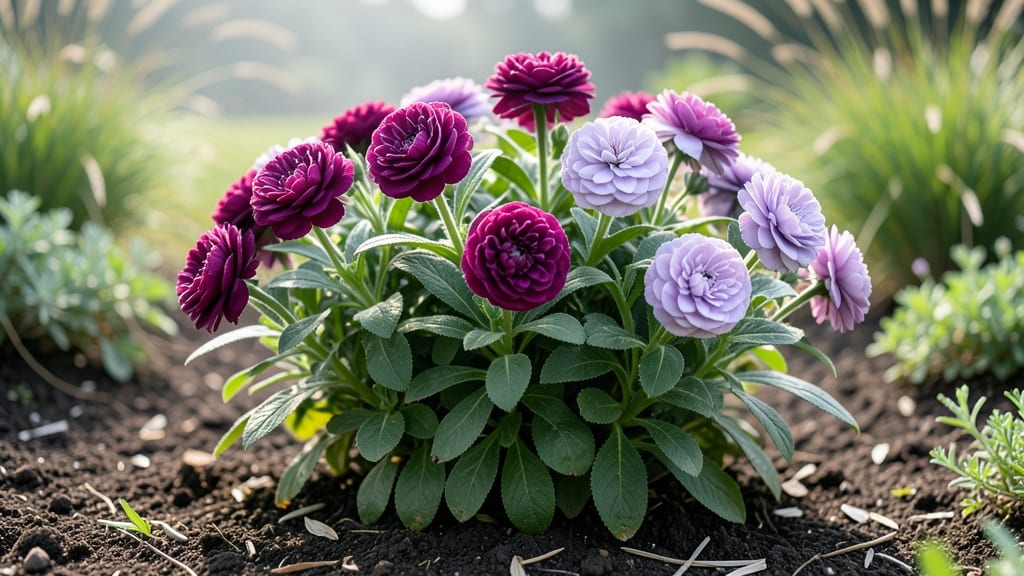
Double bloom petunias are designed to produce clusters of flowers continuously, but they need regular deadheading and careful pruning to maintain their prolific blooming habit. Varieties like 'Supertunia' and 'Wave' vary in size, color range, and heat tolerance, so each type requires specific care for peak performance.
These petunias stand out because their genetics encourage lateral branching and compact growth, creating more flower buds than single-bloom types. 🌸 The key to their performance lies in their ability to develop multiple buds per stem—when you remove spent blooms (deadheading), you signal the plant to redirect energy into new growth.
I’ve noticed that 'Wave' varieties, for example, handle heat better than some other types, making them ideal for hotter climates, while 'Supertunia' often delivers more vibrant colors that last longer in cooler weather.
To keep your double bloom petunias thriving, focus on pruning in the early morning or late afternoon to avoid stressing the plants. Use clean, sharp shears to trim just above a leaf node, which encourages new shoots to form.
Most varieties benefit from a light trim every 2-3 weeks during peak bloom season, but always adjust based on how quickly they recover. Over-pruning can weaken the plant, while neglecting it leads to leggy growth and fewer flowers.
💡 In This Article
- How Double Bloom Petunia Genetics Boost Flower Production
- Pruning and Deadheading Schedule for Maximum Petunia Blooms
How double bloom petunia genetics boost flower production
Double bloom petunias owe their abundant flowers to a genetic trait called lateral branching, where the plant develops multiple side shoots instead of one main stem. This creates a bushier structure with more flower buds forming along each branch.
Unlike single-bloom varieties that produce one flower per stem, double bloomers can develop 3-5 flowers per cluster, thanks to their compact growth habit and dense foliage. 🌸 The key lies in their axillary buds, which are triggered to grow when the main flower blooms and is removed—this is why deadheading is critical.
The flower buds themselves form in clusters at the leaf nodes, and each bud contains multiple layers of petals that unfurl simultaneously. This genetic programming ensures that even as one flower opens, adjacent buds are already developing.
Varieties like 'Supertunia' have been selectively bred to maximize this trait, producing flowers that measure 3-4 inches wide in vibrant colors like purple, pink, and blue. The trade-off? Their energy demands are higher, which is why they require consistent care to maintain their blooming pace.
What most gardeners don’t realize is that double bloom petunias rely on a photoperiod response—they detect daylight length to regulate flowering. In shorter days (fall), their natural tendency is to produce fewer blooms, which is why many gardeners extend their season with grow lights or bring them indoors.
The ethylene hormone, released when flowers wilt, signals the plant to stop producing new blooms unless you intervene with deadheading. This is why removing spent flowers within 24-48 hours of wilting is crucial for continuous blooming.
Another fascinating aspect is their heat tolerance genetics. Varieties like 'Wave' have been bred to handle temperatures up to 95°F without wilting, thanks to thicker cuticles and deeper root systems. This allows them to keep producing flowers even when other types struggle.
Meanwhile, 'Supertunia' varieties prioritize color vibrancy over heat resistance, which is why they often bloom more prolifically in 70-80°F conditions. Understanding these genetic differences helps you choose the right variety for your climate.
Here’s what happens when you skip deadheading: the plant redirects its energy toward seed production instead of new flowers. This is especially true for double bloomers, as their genetic programming makes them more sensitive to this signal.
In my experience, neglecting deadheading can reduce flower production by 40-50% within just 4-6 weeks. The solution? A consistent routine of checking plants every 3-5 days during peak bloom season to remove faded flowers before they set seed.
To maximize their potential, consider their growth habit differences. 'Wave' varieties grow 6-12 inches tall and spread 12-18 inches wide, making them ideal for hanging baskets or containers, while 'Supertunia' can reach 10-14 inches tall with a 12-24 inch spread, perfect for border plantings.
Their genetic diversity means you can tailor your care approach based on how you plan to display them.