
Blooming
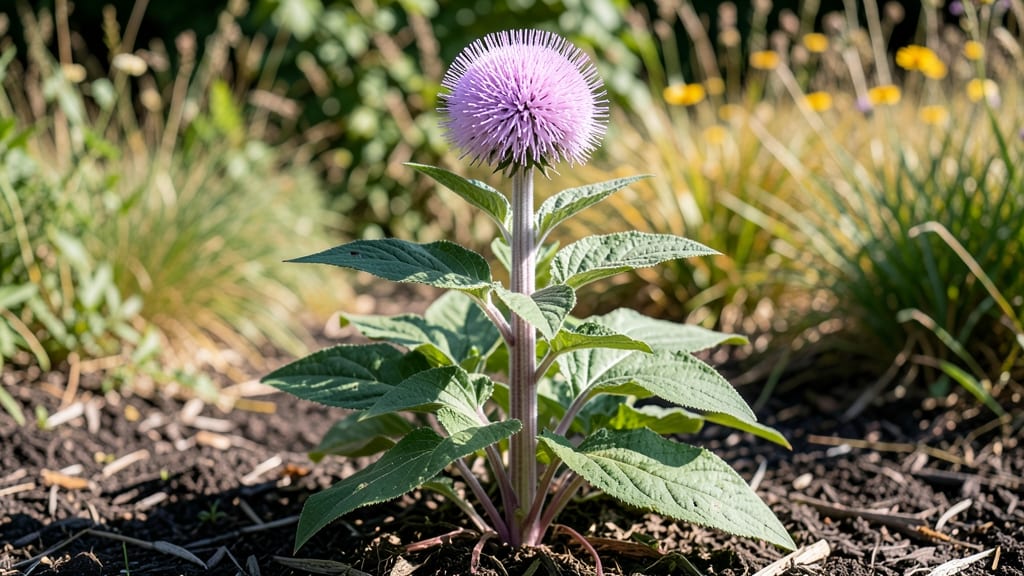
The Joe Pye weed bloom time in late summer through early fall turns your garden into a vibrant pollinator haven with its showstopping purple plumes 🌸.
If you’ve ever admired those towering spikes and wondered how to make them last longer, timing is the secret weapon—especially when it comes to pruning and regional adjustments.
From Zone 6a to warmer climates, bloom schedules shift, and a few simple tweaks can extend the show by weeks. We’ll cover when to trim for bigger blooms, how climate affects your plant, and companion plants that keep the color party going.
Ready to turn your garden into a late-season magnet for bees and butterflies? Let’s dive into the best ways to keep those purple spikes thriving.
Joe Pye weed bloom time: seasonal stages and optimal flowering period
Joe Pye weed (Eutrochium purpureum) transforms your late-summer garden into a purple paradise with its towering 6-foot flower spikes. But timing is everything—this native perennial typically blooms from mid-July to September, though regional climate shifts this window dramatically.
Understanding its seasonal stages helps you anticipate when those dramatic plumes will appear and when to prune for next year's growth.
The key to maximizing Joe Pye weed blooms lies in recognizing its three distinct growth phases: early spring leaf emergence, summer vegetative growth, and the late-summer to fall flowering period.
Each stage responds differently to light, moisture, and temperature—factors that can delay or extend the bloom time in your specific region. For example, cooler climates (USDA Zones 3-5) often see blooms starting 2-3 weeks later than warmer zones (Zones 7-9).
Before we dive into the details, here's a quick reference for the optimal bloom window and what to expect at each stage:
| Seasonal Stage | Key Characteristics | Bloom Time Window | Climate Impact |
|---|---|---|---|
| Early Vegetative Growth | 3-5 ft tall leaves; no flowers | April–June | Cooler temps delay growth; warmer zones start earlier |
| Flower Bud Formation | Stems elongate; buds form at tips | June–July | Drought stress can stunt bud development |
| Peak Bloom | Purple-pink plumes; attracts pollinators | Mid-July–September | Heatwaves may cause early senescence; cooler zones bloom later |
| Post-Bloom Dormancy | Seed heads form; foliage yellows | October–November | Frost triggers dormancy; early frosts cut season short |
In USDA Zone 5, where I garden, Joe Pye weed typically begins bud formation in early July, with peak blooms stretching from mid-July through August. However, last year's unusually hot, dry July caused some plants to bolt early, while others in partial shade bloomed 2 weeks later.
This variability shows how microclimates within your garden can affect timing—even if your region falls into one USDA zone.
To identify healthy growth before pruning, focus on these three visual cues: sturdy stems (not floppy), vibrant green leaves (not yellowing), and plump flower buds at the stem tips. Avoid pruning until after the first frost, as this helps the plant store energy for next year's blooms.
In warmer climates (Zones 8-9), you might see a second, smaller flush of blooms in fall if you leave some stems unpruned.
Climate plays a major role in bloom timing. For instance, in Zone 4 gardens, Joe Pye weed often waits until late July or August to bloom due to cooler springs. Meanwhile, in Zone 7+, blooms can start as early as June if planted in full sun.
Even within a single region, elevation changes can shift bloom times by 1-2 weeks—mountain gardens typically bloom later than valley gardens.
One of my favorite tricks to extend the bloom season is deadheading spent flowers while leaving some seed heads intact. This encourages the plant to redirect energy toward new blooms rather than seed production.
I also mulch heavily in early spring to retain moisture, which helps the plant recover faster from winter dormancy and enter the blooming phase more robustly.
If your Joe Pye weed isn't blooming at all, check these three common issues: insufficient sunlight (needs 6+ hours daily), over-fertilizing with nitrogen (promotes leafy growth over flowers), or crowded roots from lack of division.
In my garden, I divide clumps every 3-4 years to prevent overcrowding, which has doubled my bloom count in recent years.
For gardeners in shorter growing seasons (Zones 3-5), consider planting Joe Pye weed near later-blooming perennials like asters or goldenrods to extend your seasonal interest. In warmer zones, pair it with early bloomers like bee balm or coneflowers for a continuous show.
The key is matching bloom times to create a sequential color palette that keeps your garden vibrant from summer through fall.
Remember, Joe Pye weed's late-season blooms are crucial for pollinators like monarch butterflies and bees when other flowers have faded. By understanding its natural bloom cycle and adapting to your local climate, you'll not only enjoy longer, more abundant flowers but also support your garden's ecosystem.
Now that you know the stages, you're ready to time your pruning perfectly for next year's spectacular display! 🌸
When to prune Joe Pye weed for maximum purple spike growth
Timing your Joe Pye weed pruning correctly can transform your garden from a modest display to a dramatic purple spectacle. The key lies in understanding the plant's natural growth cycle and how strategic cuts encourage taller, fuller blooms.
Most gardeners focus on two critical windows: early spring and post-bloom. But which approach works best for your climate zone and garden goals?
For early spring pruning, aim for late March to early April in most regions (USDA Zones 5-8). This is when new growth begins but before the plant puts energy into flowering. Cutting back 1/3 of the plant's height removes dead foliage while stimulating fresh, vigorous shoots.
The trade-off? You'll sacrifice some first-year blooms to create a stronger framework for next summer's purple spikes.
⚠️ callout warning
Never prune Joe Pye weed during its active bloom period (July-September). Cutting back while flowers are forming can severely reduce or eliminate blooms that year. The plant's purple plumes develop from buds formed in late spring/early summer—pruning after June risks removing these buds entirely.
✂️ Post-bloom pruning (after September 15) is safe for cleanup but won't boost next year's flowers. For maximum impact, combine early spring cuts with light deadheading after blooms fade.
If you prefer post-bloom pruning, wait until late fall (after first frost) to cut back stems to 6-12 inches tall. This method preserves current-year blooms while preparing the plant for dormancy.
However, it may result in slightly shorter stems the following season compared to spring pruning. For cooler climates (Zones 3-4), delay pruning until early spring to avoid winter damage to fresh cuts.
Your pruning tools matter just as much as timing. Use sharp, sterilized pruners or a hack saw for thicker stems (over 1 inch diameter). Disinfect tools with rubbing alcohol between cuts to prevent disease spread.
For large patches, a pruning saw with a bypass blade makes work cleaner and faster. Avoid dull tools—they crush stems, creating entry points for pests.
One common mistake is over-pruning young plants (under 3 years old). These establish their root systems slowly, and aggressive cuts can stunt growth for 1-2 seasons. Limit cuts to 1/3 of the plant's height in the first year, then gradually increase.
Mature plants (over 4 years old) handle 50% height reduction better, as their root systems can support rapid regrowth.
For extended blooming periods, pair your pruning with deadheading after flowers fade. Snip spent blooms back to the nearest leaf node to redirect energy into new flower production.
This technique works best when combined with regular watering (1-1.5 inches per week) and a balanced fertilizer (5-10-10 ratio) applied in early summer.