
Blooming
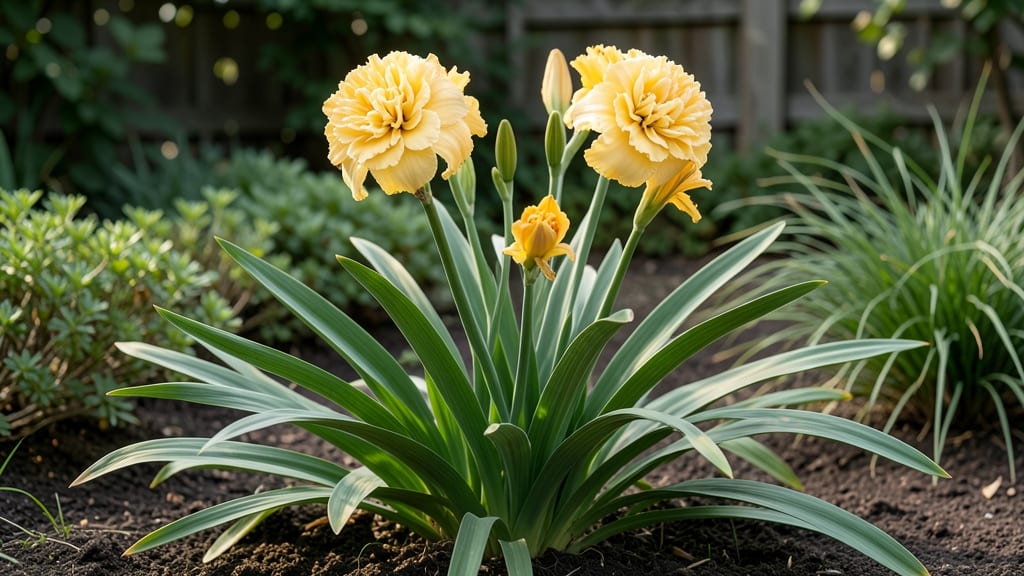
Double bloom daylilies turn my garden into a nonstop parade of color—three seasons of blooms instead of one. 🌸 The secret lies in choosing reblooming varieties and giving them the right care, not just any old daylily.
These plants don't just tolerate heat and drought; they thrive in it, rewarding patience with lush, layered petals that last weeks longer than single blooms.
Start with well-draining soil mixed with compost—daylilies hate soggy roots—and plant in full sun where they’ll get at least 6 hours of light daily. Water deeply once a week (more in extreme heat), but don’t drown them.
The key to double blooms? Fertilizer timing—feed lightly in spring and again after the first flush of flowers fades, but skip heavy feeding in fall.
By mid-summer, you’ll see those second and third blooms pushing through, each one denser and more dramatic than the last. The foliage stays vibrant too, with deep green leaves that signal a healthy plant.
Even in my Zone 7 garden, these varieties keep blooming until frost—something single-bloom types can’t match.
Troubleshooting is easy once you know the signs: fewer blooms? You’re over-fertilizing. Yellow leaves? Time to check drainage. And those pesky spider mites? A strong spray of water usually sends them packing. With the right care, your daylilies will outperform any other perennial in your garden.
📚 In This Guide
- What you need
- Instructions
- Tips and common mistakes
- Wrapping up and next steps
What you need
- ● Double Bloom Daylily Crowns: 3–5 healthy, disease-free crowns (reblooming varieties like 'Stella de Oro,' 'Happy Returns,' or 'Meteor' are excellent choices).
- ● Well-Draining Soil: A mix of topsoil, compost (50%), and perlite/sand (20%) for optimal aeration (1–2 cubic yards for a standard garden bed).
- ● Organic Fertilizer: Balanced 10-10-10 or slow-release daylily-specific fertilizer (1 lb per 10 sq ft).
- ● Mulch: Pine straw or shredded bark (2–3 inches thick) to retain moisture and regulate soil temp.
- ● Garden Gloves & Trowel: Heavy-duty gloves for handling crowns and a sturdy trowel for planting.
- ● Watering Can or Hose with Nozzle: For gentle, deep watering (rebloomers need consistent moisture!).
- ○ Stakes or Trellis (Optional): If growing tall varieties, lightweight stakes (6–12 inches) for support.
- ● Sunlight: Full sun (6+ hours/day) for optimal blooming. Partial shade (4–6 hours) works for cooler climates.
- ● Climate Zone: USDA Zones 3–10 (adjust planting time based on frost dates—spring or fall are ideal!).
- ● Spacious Garden Bed: Space crowns 18–24 inches apart to allow airflow and growth.
- ● Patience: Reblooming daylilies may take 1–2 years to establish and flower reliably.
Step-by-step guide to establishing reblooming daylilies for continuous color
Here’s how to plant and care for reblooming daylilies so they deliver vibrant blooms from early summer through fall.
🌱 Step 1: Select and Prepare the Planting Site
Choose a location with full sun exposure (6+ hours daily) and well-draining soil—daylilies hate soggy roots. I test drainage by digging a 12-inch deep hole and filling it with water; if it drains in under an hour, the site is perfect. Amend heavy clay soil with 2-3 inches of compost mixed into the top 6 inches of soil to improve aeration and fertility.
Reblooming varieties need consistent moisture but not wet feet. If your soil is sandy, add 1 inch of organic matter like peat moss to help retain water. Avoid low-lying areas where water pools after rain—this triggers root rot and stunted blooms. The ideal spot balances sun, drainage, and airflow to prevent fungal diseases.
🪴 Step 2: Plant Daylily Crowns at the Right Depth and Spacing
Dig holes 3 times wider than the root ball but only 1 inch deeper than the crown (the swollen base where roots meet stems). Planting too deep suffocates the crown, while too shallow exposes it to temperature swings. Gently spread roots outward in the hole—crowded roots lead to weak stems and fewer blooms.
Space plants 18-24 inches apart for full-size rebloomers; closer spacing works for dwarf varieties. I firm the soil around the roots with my fingers, creating a slight mound to encourage water runoff. Water deeply right after planting to eliminate air pockets and settle the soil. Mulch with 2-3 inches of shredded bark to retain moisture and regulate soil temperature.
☀️ Step 3: Provide Consistent Water and Fertilizer for Reblooming Success
Water newly planted daylilies 1-2 inches per week, keeping the soil evenly moist but not waterlogged. Rebloomers demand more nutrients than once-blooming types, so I fertilize with a balanced 10-10-10 formula at planting, then again in early spring and mid-summer. Avoid high-nitrogen fertilizers—they promote leafy growth at the expense of flowers.
Watch for wilting in extreme heat; daylilies are drought-tolerant but rebloomers need steady moisture to support continuous flowering. I water in the morning to reduce evaporation and fungal risks. Yellowing leaves often signal overwatering or nutrient deficiency—adjust based on soil moisture and leaf color. Rebloomers reward consistent care with 3-4 bloom cycles per season.
✂️ Step 4: Prune Strategically to Encourage More Blooms
Deadhead spent blooms immediately to redirect energy into new flowers. I snip stems 1 inch above the next leaf node with clean pruners, avoiding the healthy foliage. Rebloomers benefit from a light pruning in early fall—cut back faded foliage to 6 inches tall to clean up the plant and reduce winter dieback.
Never remove more than ⅓ of the foliage at once; daylilies store energy in their roots, and aggressive pruning weakens next year’s blooms. I leave winter-killed foliage until spring—it insulates the crown and breaks down into natural mulch. Rebloomers thrive with minimal intervention, but this simple pruning keeps them producing vibrant blooms well into autumn.
⏰ Step 5: Winterize for Next Year’s Continuous Color
Mulch heavily in late fall with 4-6 inches of straw or shredded leaves to protect crowns from freezing temperatures. Rebloomers need winter dormancy to reset their energy cycles, but they’re not frost-tender like tropical plants. I remove mulch in early spring once daytime temperatures consistently stay above 50°F.
Rebloomers reward patience—established plants often produce 20-30 blooms per season if given proper care. Watch for pests like thrips or aphids; a strong spray of water usually dislodges them. With the right site, consistent moisture, and light pruning, your daylilies will deliver season-long color with minimal effort.
Tips & tricks for perfect reblooming daylilies
Here's what nobody tells you about keeping your reblooming daylilies flowering all season long.
Site Selection Secret: The 6-hour sun requirement is non-negotiable, but I've found that morning sun with afternoon shade works best in hot climates. Test your site by observing how long sunlight lingers—rebloomers need that full exposure, but too much afternoon sun can stress plants in summer. I always check for overhead power lines or large trees that might cast shade later in the day.
Planting Depth Matters: That 1-inch depth guideline for crowns is critical—planting too deep suffocates the crown, while too shallow exposes it to temperature swings. I use a ruler to verify depth after planting, and I never pack soil too tightly around the roots. Loose soil allows better airflow, which prevents fungal issues that can stunt blooming.
Watering Wisdom: The 1-2 inches per week guideline works for most climates, but I adjust based on rainfall. In summer, I water in the morning to reduce evaporation and fungal risks, and I always check soil moisture by sticking my finger 2 inches deep—if it's dry, that's when I water. Overwatering is the #1 reason rebloomers fail to produce continuous color.
Fertilizer Timing: That balanced 10-10-10 formula at planting, early spring, and mid-summer creates the perfect nutrient cycle. I've found that adding a slow-release fertilizer in late summer gives plants a boost for fall blooming. Avoid high-nitrogen fertilizers—they'll give you leaves instead of flowers, and that's the opposite of what we want with rebloomers.
Pro Tips for Double Bloom Daylily
- Here's what nobody tells you about keeping your reblooming daylilies flowering all season long.
- Site Selection Secret: The 6-hour sun requirement is non-negotiable, but I've found that morning sun with afternoon shade works best in hot climates.
- Planting Depth Matters: That 1-inch depth guideline for crowns is critical—planting too deep suffocates the crown, while too shallow exposes it to temperature swings.
Frequently asked questions
Got questions about growing double bloom daylilies? You’re not alone! Here are answers to the most common queries—from timing to troubleshooting—so you can keep those stunning blooms coming all season.
When do double bloom daylilies actually rebloom?
Most reblooming varieties (like ‘Happy Returns’ or ‘Stella de Oro’) start their second flush 6–8 weeks after the first bloom, often in late summer or early fall. Everbloomers (like ‘Medley’) may produce flowers intermittently from spring to frost! For consistent reblooming, ensure they get full sun (6+ hours) and rich, well-draining soil.
How can I encourage a second (or third!) bloom?
Double bloom daylilies thrive with deadheading spent blooms (cut stems 2–3 inches below the faded flower) to redirect energy to new growth. Fertilize lightly with a balanced 10-10-10 mix in early summer, and water deeply but infrequently—overwatering stresses roots. Divide clumps every 3–4 years to rejuvenate vigor!
Why aren’t my double bloom daylilies reblooming this year?
Common culprits include:
- Shade stress: Move to sunnier spots (they tolerate partial shade but bloom best in full sun).
- Poor soil: Amend with compost or organic matter for nutrients.
- Overcrowding: Dig up and divide clumps if they’re congested.
- Drought or heatwave: Mulch to retain moisture and protect roots.
If blooms appear but don’t last, check for pests (like thrips) or fungal issues (e.g., rust).
Can I grow double bloom daylilies in containers?
Choose compact varieties like ‘Little Grapette’ or ‘Lil’ Darling’ for pots (12–18 inches wide). Use a well-draining potting mix with perlite, and fertilize monthly during growing season. Winter care: Move containers to a sheltered spot or insulate with burlap if temps drop below 20°F.
What’s the best alternative if I want continuous color without double blooms?
For non-stop blooms with less maintenance, try:
- Everblooming daylilies (e.g., ‘Medley’ or ‘Happy Returns’): Bloom spring to frost.
- Perennials like coneflowers (Echinacea) or black-eyed Susans (Rudbeckia): Long seasons + pollinator-friendly.
- Annuals like zinnia or celosia: Plant in waves for staggered color.
Pro tip: Mix daylilies with salvia or coreopsis for a low-maintenance, high-impact border!
Wrapping up and next steps
Growing double bloom daylilies is a rewarding way to enjoy vibrant, continuous color in your garden—no green thumb required! With the right variety, soil prep, and a little patience, you’ll unlock the secret to year-round blooms that turn heads.
Whether you’re a beginner or a seasoned gardener, these reblooming stars are your ticket to effortless beauty.
Ready to dive in? Start by picking your perfect double bloom daylily and sketch a simple planting plan. Then, grab your tools and get growing—your garden’s next masterpiece is just a bloom away! 🌸✨