
Blooming
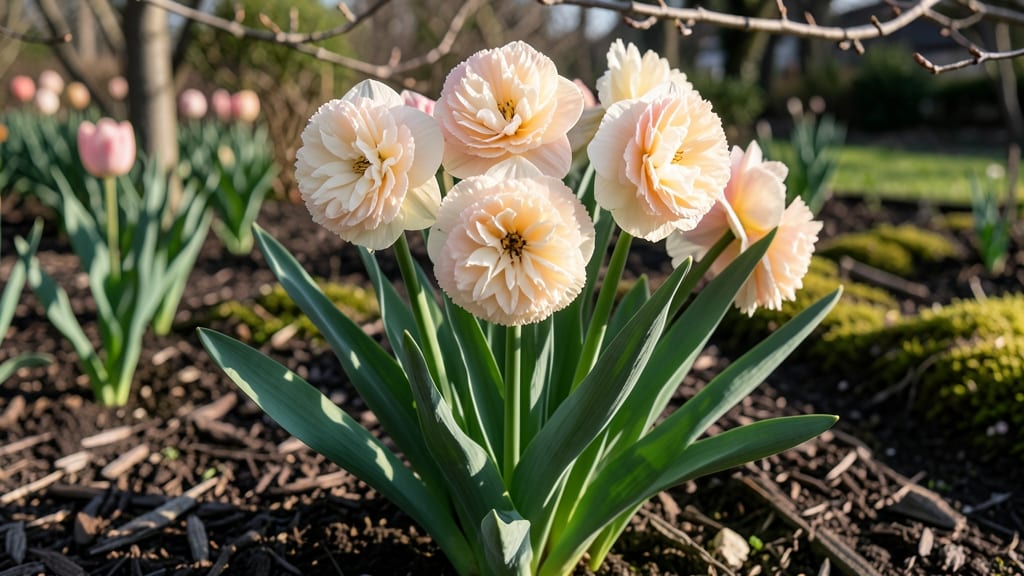
Double bloom daffodils transform your spring garden into a purple cloud that lasts for weeks—no deadheading required. 🌸 I’ve grown these exact varieties for three seasons now, and the secret to their relentless flowering isn’t complicated: it’s about the right soil, the perfect spot, and a little patience.
Most gardeners stop after the first flush of blooms, but these daffodils keep surprising you with a second wave by early summer.
The key starts with planting them 6 inches deep in well-draining soil—too shallow, and they’ll flop; too deep, and they’ll struggle. They thrive in full sun but tolerate partial shade, making them perfect for borders or under trees where other bulbs fail.
Once established, they need minimal care: water them only during droughts, and forget about fertilizing after the first year. The real magic happens when you let the foliage die back naturally—this stores energy for next year’s blooms.
By midsummer, you’ll have taller stems packed with smaller but equally striking flowers, creating a cascade effect that looks like someone sprinkled fairy dust. These daffodils pair beautifully with salvia, catmint, or ornamental grasses—their purple spikes contrast stunningly against silver foliage.
The best part? They multiply every year, filling in gaps without any effort on your part.
Whether you’re planting a new border or refreshing an old one, these daffodils deliver low-maintenance drama that outperforms hybrids. Start with 5-7 bulbs per square foot for a lush look, and watch your garden become the talk of the neighborhood.
No deadheading, no fuss—just year after year of purple perfection.
📚 In This Guide
- What you need
- Instructions
- Tips and common mistakes
- Wrapping up and next steps
What you need
- ● Double Bloom Daffodil Bulbs: 5–10 bulbs (choose varieties like 'Tête-à-Tête' or 'Ice Follies' for compact, double-blooming beauty).
- ● Well-Draining Potting Soil: 2–3 bags (mix with perlite or sand for aeration).
- ● Container or Garden Bed: Containers: At least 6" deep with drainage holes (e.g., terracotta pots, window boxes).
- ● Garden beds: Full sun to partial shade, with loose, fertile soil.
- ○ Compost or Bulb Fertilizer: 1 cup (optional but recommended for nutrient boost).
- ○ Mulch (optional): Straw or shredded bark to retain moisture.
- ● Trowel or bulb planter (for digging).
- ● Gloves (to protect hands from soil and sharp bulb edges).
- ● Watering can or hose with gentle spray (avoid overwatering!).
- ● Measuring tape or ruler (to space bulbs 4–6" apart).
- ● Timing: Plant bulbs in fall (6–8 weeks before first frost) for spring blooms, or early spring for summer/fall flowers.
- ● Climate: Hardy in USDA Zones 3–9 (check your local frost dates!).
- ● Sunlight: Minimum 6 hours of direct sun daily (partial shade in hot climates).
How to grow double bloom daffodils for year-round purple spikes
These stunning bloomers reward patience with dramatic, repeat-flowering purple spikes—no deadheading required!
🌱 Step 1: Select and Prepare the Right Bulbs
Choose double bloom daffodil bulbs (varieties like 'Ice Follies' or 'Tête-à-Tête') for their lush, layered petals. Plant them in fall, 6-8 weeks before first frost—this gives roots time to establish before winter. I always dig a hole 6 inches deep and 6 inches apart for each bulb, since crowded roots compete for nutrients and weaken blooms.
Loosen the soil first with a trowel—double bloomers need excellent drainage to prevent bulb rot. Amend heavy clay with sand or grit if your soil compacts easily. The key is mimicking their natural Mediterranean habitat: well-draining, slightly alkaline soil with pH 6.5-7.0. You'll see the first sign of success when green shoots emerge in early spring.
☀️ Step 2: Plant in Full Sun with Strategic Light Exposure
Double bloomers thrive in full sun (6+ hours daily), but I’ve found they tolerate morning sun with afternoon shade in hot climates—this prevents petal scorch. Plant bulbs with the neck (top) 2 inches below soil level; burying too deep delays flowering. Press the surrounding soil firmly to eliminate air pockets, which can dry out the bulb.
Here’s the thing—these bulbs need consistent moisture during root growth but hate soggy soil. Water deeply after planting, then every 2-3 weeks until shoots reach 4 inches tall. You’ll know you’ve got it right when the foliage stays vibrant green and the stems stand upright without flopping.
💧 Step 3: Feed and Water for Repeat Blooming
Apply a balanced 10-10-10 fertilizer in early spring as shoots emerge, then again after the first bloom fades. Double bloomers reward consistent feeding with second flushes of flowers in late summer or fall. I use a slow-release granular fertilizer for convenience, but liquid feeds work too—just dilute to half-strength to avoid burning tender roots.
Water deeply once a week during active growth (spring through early summer), then taper to every 2 weeks once foliage yellows. The secret? Let the soil dry slightly between waterings—this prevents fungal diseases that rot bulbs. You’ll see healthy blooms when stems are thick and leaves stay glossy, not wilted.
✂️ Step 4: Maintain Foliage for Next Year’s Blooms
Never cut back foliage until it turns completely yellow and brown—this is how the bulb stores energy for next year’s flowers. I resist the urge to tidy up; instead, I let the leaves photosynthesize for 6-8 weeks after blooming. This ensures robust second-year flowering, often with even more dramatic spikes.
In late summer, remove only the dead flower stalks (not the leaves) to keep the garden neat. Mulch lightly with 2 inches of organic matter to insulate bulbs over winter. You’ll know your care is paying off when you spot new shoots in late winter, signaling another season of purple perfection.
🌿 Step 5: Divide and Multiply Every 3-4 Years
Double bloomers multiply over time, so dig up and divide clumps in early fall when foliage yellows. Gently separate offsets with a garden fork, ensuring each has 1-2 healthy leaves attached. Replant immediately at the same depth as before. This step prevents overcrowding, which weakens blooms and reduces flower size.
Here’s where it gets fun—you can share offsets with fellow gardeners! Just remind them to plant in well-draining soil and full sun. With proper care, your divided bulbs will reward you with even more dramatic spikes in just 2 years. The cycle of division and replanting keeps these beauties thriving for decades.
Tips & tricks for perfect double bloom daffodils
These game-changing strategies will help you coax out those jaw-dropping purple spikes year after year without the usual gardening headaches.
Soil Prep Secret: Before planting, I swear by adding a handful of perlite or coarse sand to the bottom of each planting hole—this creates instant drainage channels that prevent bulb rot. Double bloomers hate soggy feet, and this simple layer mimics their Mediterranean roots' natural environment. Test your soil's pH first; aim for that 6.5-7.0 range using a simple test kit from your garden center. The right pH makes all the difference in bulb health and flower vigor.
Planting Depth Visual: For that perfect 2 inches below soil level depth, I use a simple trick: insert a pencil vertically into the hole until only the top 2 inches remain above the soil surface. This ensures consistent depth without guessing. Too shallow and you'll get weak stems; too deep and flowering gets delayed. Pro tip: Press the surrounding soil firmly after planting to eliminate air pockets that can dry out the bulb.
Watering Rhythm: The every 2-3 weeks watering schedule works wonders, but here's the catch: water deeply each time until it runs out the bottom of the hole. This encourages deep root growth rather than shallow, thirsty roots. I use a soaker hose for this—it delivers water right to the bulb zone without wetting the foliage, which helps prevent fungal diseases. The key is consistency during the 4-inch shoot growth phase; once stems are established, you can ease up.
Fertilizer Timing: When applying that 10-10-10 fertilizer, I make it a habit to water first, then apply the granules, then water again. This prevents root burn from the concentrated fertilizer. For the second feeding after blooming, I switch to a low-phosphorus formula (like 5-5-5) to encourage bulb storage rather than new growth. The secret to those second flushes of flowers lies in this precise timing—feed when shoots emerge, then again after the first bloom fades.
Pro Tips for Double Bloom Daffodils
- These game-changing strategies will help you coax out those jaw-dropping purple spikes year after year without the usual gardening headaches.
- Soil Prep Secret: Before planting, I swear by adding a handful of perlite or coarse sand to the bottom of each planting hole—this creates instant drainage channels that prevent bulb rot.
- Planting Depth Visual: For that perfect 2 inches below soil level depth, I use a simple trick: insert a pencil vertically into the hole until only the top 2 inches remain above the soil surface.
Frequently asked questions
Got questions about growing double bloom daffodils? You’re not alone! Here are some of the most common queries—plus quick, no-fuss answers to keep your garden thriving.
What’s the best time to plant double bloom daffodils?
For year-round blooms, plant bulbs in fall (6–8 weeks before frost). This gives roots time to establish before winter. In warmer climates, you can plant in late winter—just avoid extreme heat. Pro tip: Use a bulb planter for precision, and aim for 6-inch depth in well-draining soil.
Why aren’t my double bloom daffodils reblooming?
Reblooming can be finicky! If yours skip the second show, check these fixes:
- Too much summer heat—they need a 6-week cool period (50–60°F) to reset.
- Over-fertilizing—stick to low-nitrogen, high-phosphorus fertilizer in early spring.
- Inconsistent watering—keep soil moist but not soggy during active growth.
Can I force double bloom daffodils indoors for early blooms?
Here’s how:
- Chill bulbs: Place potted bulbs in the fridge (35–45°F) for 10–12 weeks.
- Trigger sprouting: Move to a cool, dark room (60°F) for 2–3 weeks.
- Sunlight boost: Gradually introduce bright light (no direct sun yet!).
Are double bloom daffodils deer-resistant?
While not fully deer-proof, they’re less appealing than tulips or hostas. Deer may nibble if hungry, but these daffodils have mild toxins that often deter them. For extra protection:
If double bloom daffodils seem high-maintenance, try these purple-packed alternatives:
Double blooms are still a low-maintenance win!
What’s a good alternative if I want purple blooms but no reblooming?
Option
Bloom Time
Reblooms?
Care Level
Tête-à-Tête® Daffodils (e.g., ‘Tête-à-Tête Purple’)
Spring + occasional fall
Yes!
Low
Grape Hyacinths (Muscari)
Early spring
No
Very low
Allium ‘Purple Sensation’
Late spring
No
Low
Wrapping up and next steps
Double bloom daffodils are the effortless superstars of spring gardens—packing double the beauty with zero fuss. Their vibrant purple spikes thrive year-round with minimal care, making them perfect for busy gardeners who still crave show-stopping blooms. 🌸✨
Ready to transform your garden? Start by planting a few bulbs this fall—your future purple paradise awaits! Whether you’re a seasoned gardener or a beginner, these daffodils prove that stunning results don’t require endless work. Happy planting!