
Blooming
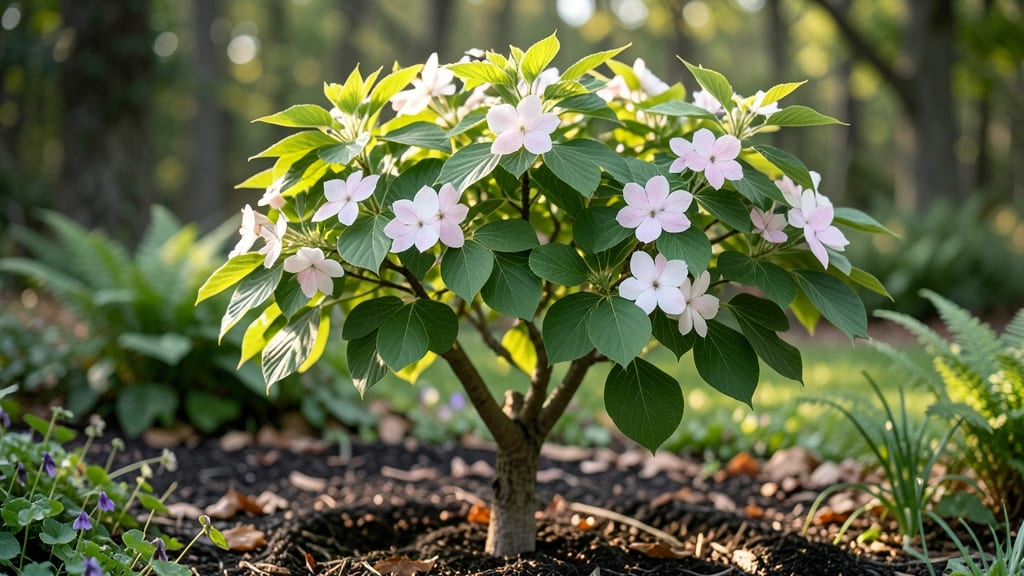
The meaning of dogwood blooms spans purity, hope, and renewal across cultures, with white flowers embodying innocence and pink blooms symbolizing deep love and gratitude. Their early spring emergence also represents spiritual rebirth and resilience.
The dogwood's symbolic power stems from its striking contrast between delicate petals and sturdy wood, creating a visual metaphor for strength in vulnerability. 🌸 In Christian traditions, the white blooms became associated with the Virgin Mary's purity, while Native American tribes often viewed them as harbingers of new beginnings.
The tree's hardy nature—thriving even in challenging conditions—further reinforces its message of perseverance. Whether you're designing a garden or selecting wedding flowers, understanding these meanings allows you to weave deeper narratives into your spaces.
What makes dogwoods particularly fascinating is how their symbolism evolves across cultures. In Asian traditions, they represent harmony and balance, while European folklore sometimes links them to protection against evil spirits. The tree's four-petaled flowers (in some varieties) even mirror the four seasons, creating a natural calendar of renewal.
For gardeners, this means choosing dogwood varieties not just for their beauty, but for the specific emotional resonance they bring to different settings.
💡 In This Article
- Dogwood Flower Colors and Their Hidden Symbolic Meanings
- How to Use Dogwood Blooms in Garden Design for Meaningful Landscaping
Dogwood flower colors and their hidden symbolic meanings
The dogwood's color palette carries profound cultural weight, with white blooms serving as the most universally recognized symbol of purity.
In Christian iconography, these pristine flowers became associated with the Virgin Mary's spotless nature, earning them a place in religious art and Easter celebrations. 🌸 The petals' delicate, waxy texture—often measuring 1-2 inches in diameter—visually reinforces this purity, as their unblemished appearance mirrors the concept of untouched virtue.
This symbolism extends to weddings, where white dogwoods frequently appear in bouquets to convey marital innocence and fresh beginnings.
Pink dogwood varieties carry equally rich meanings, though their interpretations vary by culture. In Native American traditions, particularly among southeastern tribes like the Cherokee, pink dogwoods symbolize deep gratitude and the enduring bonds of community.
The color's softer hue contrasts with the stark white, creating a visual metaphor for love's gentle persistence. In East Asian cultures, pink dogwoods represent harmony between opposing forces—a concept central to both Chinese and Japanese philosophies.
Interestingly, the tree's pink bracts (modified leaves that resemble petals) contain anthocyanins, pigments that shift color with pH levels, creating a natural spectrum from pale pink to deep magenta that mirrors emotional intensity.
The dogwood's early spring blooming—typically between March and May—ties directly to its symbolic association with renewal. This timing coincides with both agricultural rebirth and religious observances like Lent, where white dogwoods appear in church decorations to represent spiritual cleansing.
The tree's hardy nature—capable of thriving in USDA zones 5-9—further reinforces its message of resilience.
What's fascinating is how these meanings adapt: in Victorian England, pink dogwoods became symbols of modest affection, while white varieties represented constancy in love, creating a color-coded language of floral communication that persists in modern floral arrangements.
Regional interpretations add fascinating layers to dogwood symbolism. In the American South, where dogwoods are state trees, their blooms represent the region's cultural heritage of perseverance through hardship. The tree's ability to grow in partial shade—often under the canopy of larger oaks—mirrors the Southern ethos of thriving in challenging conditions.
Meanwhile, in Korean culture, dogwoods (called "dokdwa") symbolize longevity and protection, frequently planted near homes for their auspicious qualities. This geographical diversity shows how a single plant can become a cultural bridge, connecting spiritual, historical, and ecological narratives across continents.
The dogwood's four-petaled structure in some varieties creates an additional layer of symbolism. These petals often correspond to the four seasons, the four cardinal directions, or even the four elements (earth, air, fire, water), making the tree a natural symbol of balance.
In garden design, this structure allows for intentional placement: planting dogwoods near pathways creates a sense of transition and new beginnings, while grouping them in clusters enhances their symbolic power as communal markers.
The tree's red berries that follow the blooms add another symbolic dimension—representing life's continuation after death in many traditions.
What most people don't realize is how the dogwood's symbolic meanings evolve with modern interpretations. Today, white dogwoods frequently appear in memorial gardens to represent the enduring nature of love and memory, while pink varieties are popular in gratitude-themed events.
The tree's versatility makes it a perfect candidate for creating meaningful spaces—whether through intentional garden layouts or thoughtful floral arrangements. Understanding these layered meanings allows you to transform any setting into a visual narrative of cultural and personal significance. 💫