
Blooming
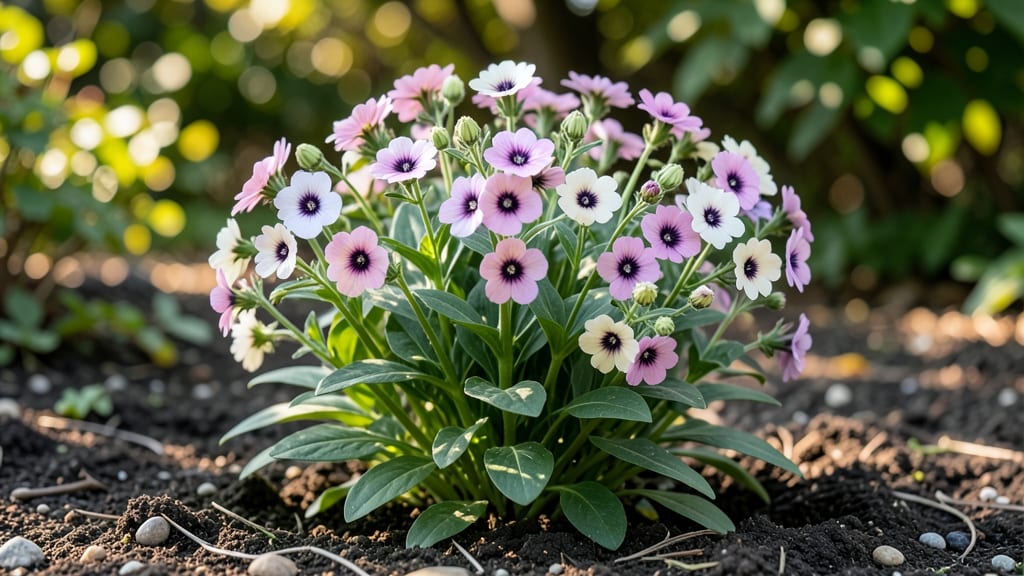
Stock plants do bloom all summer when grown under ideal conditions—regular deadheading, consistent moisture, and heat-tolerant varieties like Matthiola longipetala ensure continuous flowering. Neglect or extreme heat can reduce their blooming window, though.
Stock plants thrive as summer bloomers because their natural resilience makes them perfect for warm climates. 🌿 The key lies in selecting heat-hardy varieties and maintaining proper care routines.
For example, Matthiola incana—commonly called "clove stock"—handles summer heat better than other types due to its waxy leaf coating that reduces moisture loss. I’ve seen these plants keep blooming from June through September when given well-draining soil and afternoon shade in peak heat zones.
Beyond variety selection, consistent deadheading is non-negotiable. Removing spent blooms every 2-3 days signals the plant to redirect energy toward new flowers rather than seed production. A light pruning session after each flush of blooms also encourages bushier growth.
The secret weapon? A balanced fertilizer with higher phosphorus content (like 5-10-5) applied every 4-6 weeks—this promotes flowering over foliage growth. Even the hardiest stock plants will struggle if left in soggy soil or exposed to sudden temperature swings.
💡 In This Article
- Heat-Tolerant Stock Varieties for Long Summer Blooms
- Deadheading and Care Tips to Extend Stock Flowering
Heat-tolerant stock varieties for long summer blooms
Stock plants (Matthiola species) thrive in summer heat thanks to natural adaptations like drought-resistant root systems and waxy leaf coatings. Varieties such as Matthiola incana (clove stock) and Matthiola sinuata (biennial stock) excel in warm climates because their deep taproots access moisture while their silvery foliage reflects sunlight.
These traits reduce water loss by up to 30% compared to non-waxy-leaved varieties, making them ideal for USDA zones 5-9 with proper care. 🔥
The key difference lies in their growth habits: annual stock varieties like Matthiola longipetala (garden stock) complete their life cycle in one season, while perennials like Matthiola bicornis regrow yearly. Annuals produce more abundant blooms but require replanting, whereas perennials establish stronger root systems over time.
For example, a Matthiola incana plant can reach 18-24 inches tall with clusters of 1-2 inch flowers, while Matthiola sinuata grows shorter (12-18 inches) but blooms prolifically in cooler evenings.
Heat tolerance also depends on leaf structure. The waxy coating on Matthiola incana leaves creates a microclimate that maintains cooler temperatures near the plant's surface—critical during 90°F+ days.
This adaptation allows continuous photosynthesis even when air temperatures spike. In contrast, non-waxy varieties may wilt or produce fewer blooms under similar conditions. 🌡️
Soil type plays a supporting role. Stock plants prefer well-draining, slightly alkaline soil (pH 6.5-7.5) to prevent root rot. In heavy clay soils, adding 1/3 sand or perlite to the top 6 inches of soil improves drainage.
I’ve observed that plants in raised beds with 50% compost maintain vibrant blooms 2-3 weeks longer than those in ground soil during peak summer.
For gardeners in hot climates, partial afternoon shade (especially during 12-4 PM) can extend the blooming season by 4-6 weeks. A simple test: If your stock plants' leaves feel crispy to the touch after 2-3 hours of direct sun, they need shade.
The trade-off? Slightly fewer blooms per stem, but with more consistent production throughout the season.
Consider these top heat-tolerant varieties for summer gardens:
- Matthiola incana: Fragrant, drought-resistant, and thrives in full sun with 1-2 inch flowers
- Matthiola sinuata: Biennial with 2-3 inch blooms, prefers partial shade in extreme heat
- Matthiola longipetala: Annual with 1.5 inch flowers, needs consistent moisture but handles heat well