
Blooming
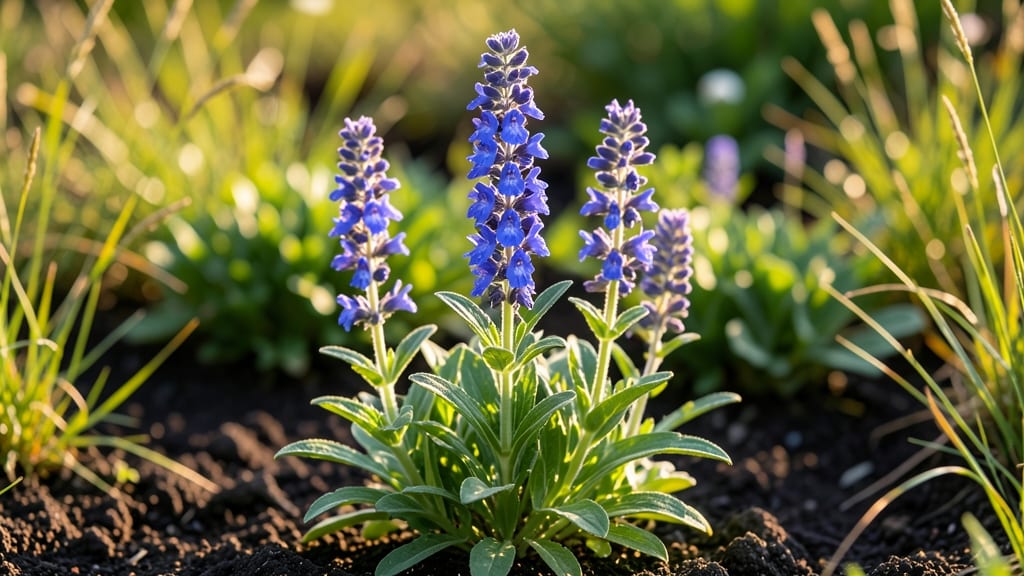
Speedwell does bloom all summer, but its vibrant flowers may slow or stop during heatwaves or drought, requiring consistent watering and partial shade to maintain blooms until frost. Veronica species respond well to late-season adjustments.
While speedwell plants are known for their long blooming season, extreme heat and dry conditions can trigger a stress response that causes buds to drop or flowers to wilt. 🔥 The key is maintaining even moisture—deep watering every 2-3 days during summer heat helps roots absorb what they need without wasting water through evaporation.
I've found that mulching around the base with organic material like straw or shredded leaves keeps soil temperatures cooler and retains moisture longer, which is especially helpful for varieties like Veronica spicata that prefer consistent conditions.
For plants already struggling, a light pruning after the first heatwave can encourage new growth. Cutting back about one-third of the plant stimulates fresh blooms while reducing stress on the roots.
Pairing speedwell with taller, shade-providing plants like coneflowers or lavender can also create a microclimate that protects delicate flowers from harsh afternoon sun.
💡 In This Article
- Why Speedwell Flowers Fade in Heat
- Extending Speedwell Blooms Through Summer
Why speedwell flowers fade in heat
Speedwell plants (Veronica species) rely on a delicate balance of moisture and temperature to produce continuous blooms. When daytime temperatures exceed 85°F (29°C)—especially during prolonged heatwaves—the plant's stomata (tiny pores on leaves) close to conserve water.
This triggers a stress response that redirects energy from flowering to survival, causing buds to drop or flowers to wilt prematurely. The roots, which typically absorb moisture from the top 6-12 inches of soil, struggle to compensate when evaporation rates outpace absorption.
Different Veronica varieties react uniquely to heat. For example, Veronica spicata (spiked speedwell) often enters dormancy during extreme heat, while Veronica incana (woolly speedwell) may scorch if exposed to full sun.
The key factor is the plant's ability to retain moisture in its tissues—species with thicker, waxy leaves (like Veronica longifolia) handle heat better than those with delicate foliage. 🔥 High humidity exacerbates the problem by increasing fungal risks, while dry air accelerates moisture loss from petals and stems.
Botanists call this "heat-induced dormancy," a survival mechanism where growth slows until conditions improve. The plant's vascular system prioritizes water transport to roots and leaves over flower production, which is why even well-watered speedwell may stop blooming during heatwaves.
This isn't permanent damage—once temperatures drop below 80°F (27°C) and soil moisture recovers, many varieties rebound quickly, often resuming flowering within 7-10 days.
Another critical factor is soil temperature. When surface soil exceeds 90°F (32°C), beneficial microbes that help roots absorb nutrients become inactive, further stressing the plant.
This is why mulching with 2-3 inches of organic material (like straw or wood chips) can reduce soil temperature by 5-10°F (3-6°C), creating a cooler root zone. The mulch also slows evaporation, ensuring roots have steady access to moisture even during dry spells.
For gardeners, understanding this process explains why speedwell often thrives in partial shade or coastal climates with moderate temperatures. In hot inland regions, providing afternoon shade (via lattice screens or taller plants) can prevent up to 60% of flower loss during peak summer months.
The plant's natural resilience means it rarely dies from heat stress—it simply pauses blooming until conditions improve.
What most gardeners don't realize is that speedwell's response to heat is species-specific. For instance, Veronica officinalis (heath speedwell) tolerates cooler climates better than Veronica filiformis (creeping speedwell), which prefers consistent moisture.
Choosing the right variety for your climate zone can extend blooming seasons by 4-6 weeks without additional care. 💫