
Blooming
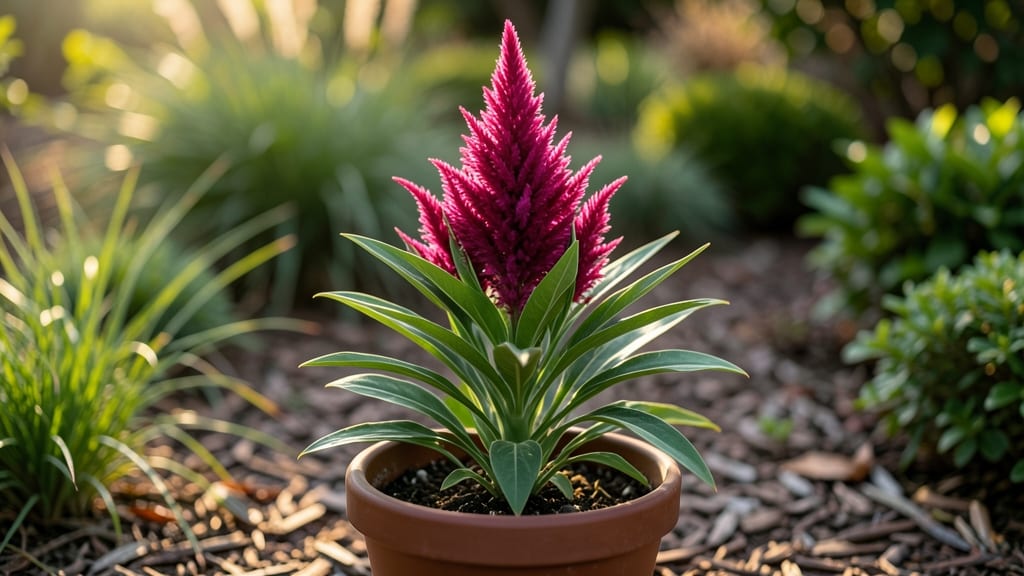
Celosia does bloom all summer with proper care, thriving in full sun and heat, but blooming slows when temperatures drop below 70°F or frost arrives. Regularly removing spent flowers keeps the plant flowering longer and prevents unwanted seed production.
Celosia earns its reputation as a summer-long performer thanks to its natural heat tolerance and drought-resistant nature. 🔥 This plant thrives in temperatures between 75°F and 95°F, making it a standout choice for hot climates.
The key to extending its blooming season lies in consistent care—especially during late summer when days grow shorter and temperatures dip. Regular deadheading not only encourages new growth but also redirects the plant's energy toward producing more flowers instead of seeds.
For gardeners in regions with mild autumns, providing afternoon shade and reducing water slightly as temperatures drop can help maintain blooms well into fall. Mulching around the base of the plant helps retain moisture and regulate soil temperature, giving celosia that extra edge when summer transitions to cooler weather.
💡 In This Article
- How Heat and Sunlight Influence Celosia Flowering
- Late-Season Care Tips to Prolong Celosia Blooms
How heat and sunlight influence celosia flowering
Celosia's ability to bloom prolifically throughout summer stems from its unique physiological adaptations. This plant employs C4 photosynthesis, a metabolic pathway that allows it to thrive in high temperatures and intense sunlight—unlike many other flowers that struggle when thermometers climb above 85°F.
The C4 process concentrates carbon dioxide in specialized cells, reducing photorespiration and enabling efficient water use. This is why celosia maintains vibrant blooms even when other annuals wilt under midday sun.
The ideal temperature range for continuous flowering sits between 75°F and 95°F, where the plant's metabolic processes operate at peak efficiency. At temperatures below 70°F, you'll notice a marked slowdown in flower production as the plant conserves energy.
The bright, crimson plumes that make celosia so striking actually contain high levels of anthocyanins—pigments that protect against UV radiation while enhancing the plant's heat tolerance. These pigments also give celosia its signature drought resistance, allowing it to go 7-10 days without water in hot conditions.
Sunlight intensity plays a crucial role beyond just temperature regulation. Celosia requires 6-8 hours of direct sunlight daily to produce its characteristic plume-shaped flowers. When grown in partial shade, the plant may produce smaller blooms with less vibrant coloration.
The plant's natural growing habit—upright with dense foliage—helps it capture maximum sunlight even in crowded garden beds. Interestingly, celosia's flower heads continue to develop upward growth even after blooming begins, which is why they maintain their striking vertical form throughout the season.
What most gardeners don't realize is how sunlight quality affects flowering. The high UV index of summer sunlight actually stimulates anthocyanin production in celosia, deepening those signature red and orange hues.
However, when autumn arrives and daylight hours shorten, the plant's flowering slows naturally as it prepares for its life cycle's end. This is why late-season care becomes particularly important—you're essentially working against the plant's biological clock to extend its productive period.
For maximum impact, position celosia where it receives morning sun and afternoon shade in regions with extreme heat (above 100°F). The plant's waxy leaf coating helps reflect excess sunlight, but even this adaptation has limits.
When temperatures exceed 105°F consistently, you may see slight leaf scorch—though the flowers typically remain unaffected. This remarkable heat tolerance is what makes celosia a garden superstar in hot climates like the American Southwest or Mediterranean regions.