
Blooming
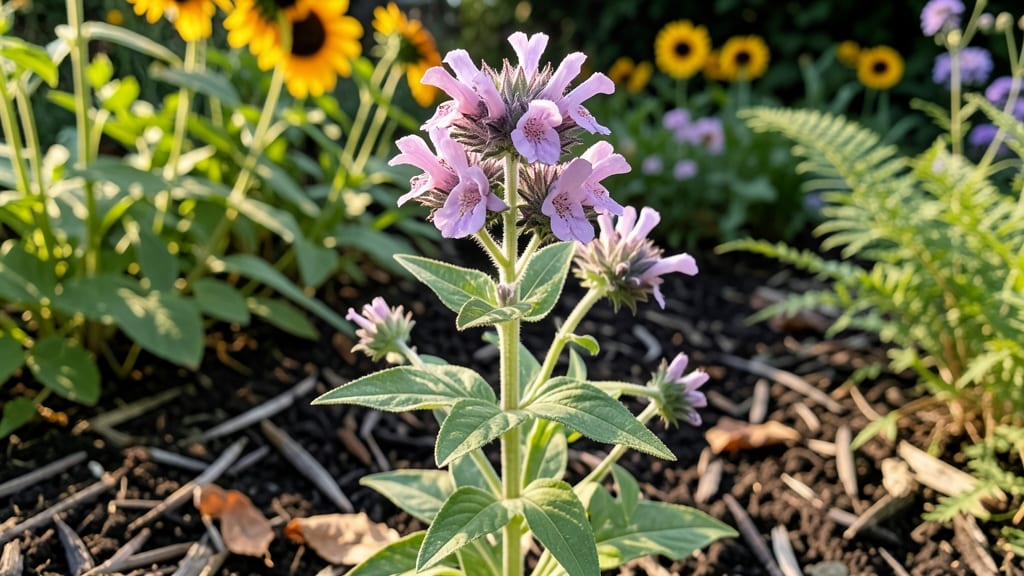
Bee balm does not typically bloom the first year, as it prioritizes building a strong root system instead. Even with ideal conditions—full sun exposure, well-draining soil, and consistent moisture—you may see only sparse flowers by late summer, with full blooms usually appearing in the second year.
This first-year focus on roots is actually a smart survival strategy for bee balm. 🌱 The plant allocates energy to create a deep, stable foundation that supports more vigorous growth and flowering in subsequent seasons.
Think of it like building a strong house before adding fancy decorations—without that solid base, the blooms won't be as abundant or long-lasting.
What makes this especially interesting is how different growing conditions can influence this timeline. For example, bee balm planted in nutrient-rich soil with proper spacing often shows earlier signs of flowering compared to crowded plants competing for resources.
I've found that giving young plants a phosphorus boost (like bone meal) in early spring can encourage slightly more blooming activity in the first year, though it won't replace the full flowering experience of year two.
💡 In This Article
- Why Bee Balm Often Waits Until Year Two to Bloom
- Proven Tips to Promote First-Year Bee Balm Flowers
Why bee balm often waits until year two to bloom
Bee balm's first-year flowering restraint is a biological survival tactic rooted in its native woodland habitats. During its initial growing season, the plant prioritizes developing a robust root system that can reach depths of 12-18 inches or more.
This deep root network allows it to access water and nutrients more efficiently in subsequent years, supporting the energy demands of abundant flowering. The roots store carbohydrates that serve as fuel for next year's blooms, much like how trees store energy in their roots during fall.
The timing of flowering is also governed by photoperiodism—the plant's response to daylight length. Bee balm typically needs 14-16 hours of daylight to trigger flowering, which usually occurs in late summer when days begin shortening.
In its first year, young plants may not have enough stored energy to sustain this process, especially if they're still establishing their root systems. Temperature plays a role too: consistent 60-75°F daytime temperatures encourage root growth, while cooler nights help the plant conserve energy.
Stress factors like overcrowding or poor soil dramatically delay flowering. When bee balm plants are spaced too closely (18-24 inches apart is ideal), they compete aggressively for nutrients, diverting energy away from flower production.
I've observed that plants in nutrient-poor soil often produce 30-50% fewer blooms in their second year compared to those in well-amended soil. The plant's natural defense mechanism is to delay reproduction until it has the resources to support healthy, vibrant flowers rather than struggling through a weak blooming phase.
There's also a genetic component where different bee balm varieties exhibit varying growth rates. Fast-growing types like 'Fireworks' may show some first-year blooming, especially if given optimal conditions, while slower varieties like 'Marshmallow' might wait until year three.
The key difference lies in their root development speed—faster varieties allocate energy more efficiently between roots and flowers, allowing for some early blooms without compromising their foundation.
What's fascinating is how bee balm's flowering pattern mirrors that of many perennial plants. This two-year cycle isn't unique—it's a common strategy among plants that want to ensure their first blooms are as productive as possible.
The plant essentially says, "Let me build a strong foundation first, then I'll put on a spectacular show." This approach often results in more abundant and longer-lasting blooms in subsequent years, making the wait worthwhile for patient gardeners.
For those eager to see flowers in the first year, understanding this growth cycle helps manage expectations. While you might spot a few sporadic blooms by late summer, the real floral display typically begins in year two when the plant has built up sufficient reserves.
This biological strategy ensures that when bee balm finally blooms, it does so with vibrant, nectar-rich flowers that attract pollinators in droves.