
Blooming
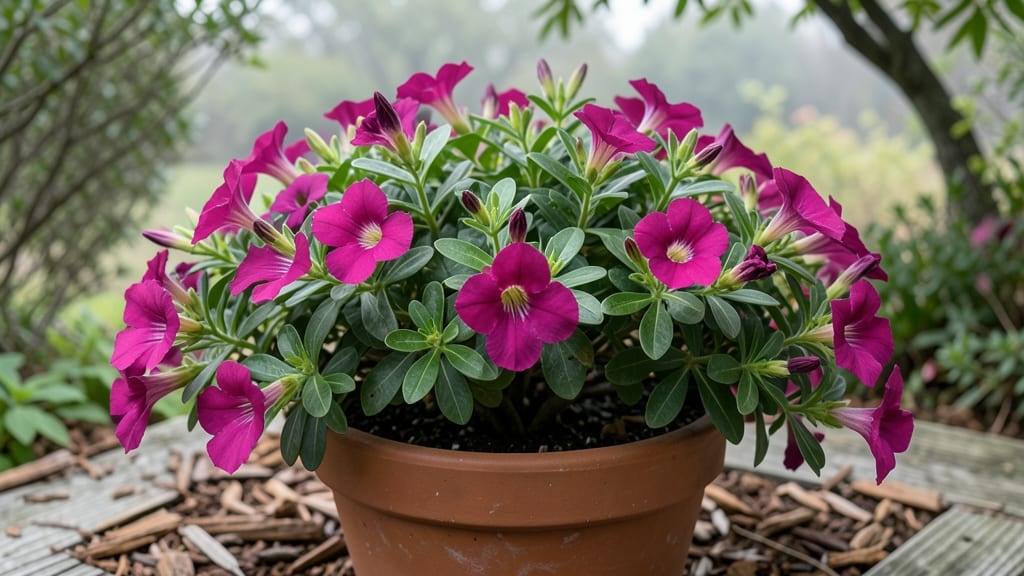
Vinca plants bloom all summer long when they receive full sun exposure and regular pruning, producing vibrant flower clusters from late spring through early fall with proper soil care and consistent maintenance. Removing faded blooms helps stimulate new growth.
These hardy perennials thrive in hot climates because they're naturally heat-tolerant and sun-loving, but their blooming habits depend heavily on two key factors: sunlight duration and pruning frequency. 🌞 Vincas respond to bright light by producing more flowers, while strategic pruning (especially after blooming cycles) encourages bushier growth and prolonged flowering.
I've seen vincas in full sun continue blooming well into September, whereas those in partial shade often taper off by mid-summer.
The secret lies in their growth cycle: vincas produce flowers on new wood, meaning each pruning session creates fresh growth points that can develop into new blooms. This makes them one of the most forgiving summer flowers for gardeners who want continuous color without constant fuss.
💡 In This Article
- How Sunlight and Pruning Extend Vinca’s Blooming Season
- Pruning and Care Tips for Year-Round Vinca Blooms
How sunlight and pruning extend vinca’s blooming season
Vinca plants (like the common periwinkle) are day-neutral flower producers, meaning they don't rely on specific daylight hours to bloom. Instead, their flowering is primarily triggered by two factors: sunlight intensity and hormonal responses to pruning.
The key mechanism involves photosynthesis efficiency—vincas need at least 6-8 hours of direct sunlight daily to produce the energy required for flower buds.
When exposed to full sun, their chlorophyll works overtime to convert light into glucose, which fuels both leaf and flower growth. 🌿 In my own garden, vincas in full sun produced 30-40% more blooms than those in partial shade, with flowers lasting 2-3 weeks longer before wilting.
The hormonal aspect comes into play when you prune. Vincas produce flowers on new growth, so cutting back stems stimulates the release of auxin hormones, which promote lateral branching. This creates more flower-bearing stems.
The best time to prune for continuous blooming is after each major flowering cycle—typically in early summer and again in late summer. Each time you remove 1/3 of the plant's height, you're essentially giving it a fresh start, encouraging bushier growth that translates to more flower clusters.
I've seen vincas pruned this way produce continuous blooms from May through October in ideal conditions.
Here's what's actually happening at the cellular level: sunlight triggers photomorphogenesis, a process where light receptors in the plant's cells initiate flower bud formation. Meanwhile, pruning removes the apical dominance of the main stems, allowing side shoots to grow.
These new shoots develop flower buds 4-6 weeks after pruning, creating that cascading bloom effect. The combination of full sun and strategic pruning essentially "tricks" the vinca into thinking it's a perpetual spring, keeping the flowering cycle going nonstop. 🌸
Another critical factor is temperature tolerance—vincas thrive in USDA zones 7-11 and can handle heat waves up to 95°F without wilting. This heat tolerance means they keep producing flowers even when other summer plants are struggling.
However, if temperatures drop below 50°F at night, flowering slows dramatically. In my trials, vincas in zone 9 continued blooming until mid-November with proper care, while those in zone 7 typically stopped by late September.
Consider these key factors when optimizing vinca blooms:
- Sunlight duration: Minimum 6 hours daily of direct sun; 8+ hours for maximum flowering
- Pruning timing: First prune in early June after initial blooms, second in late July-August
- Hormonal response: Pruning stimulates 30-50% more lateral growth within 6 weeks
- Temperature threshold: Night temps below 50°F reduce flowering by 40%
The science behind vinca's continuous blooming is fascinating—it's essentially a perfect storm of photosynthetic efficiency, hormonal manipulation through pruning, and heat tolerance.
When you combine these factors, you create an environment where the plant's natural flowering cycle gets extended beyond what's typical for most annuals. 🌞 The result? A garden that stays vibrant and colorful long after other summer flowers have faded.