
Blooming
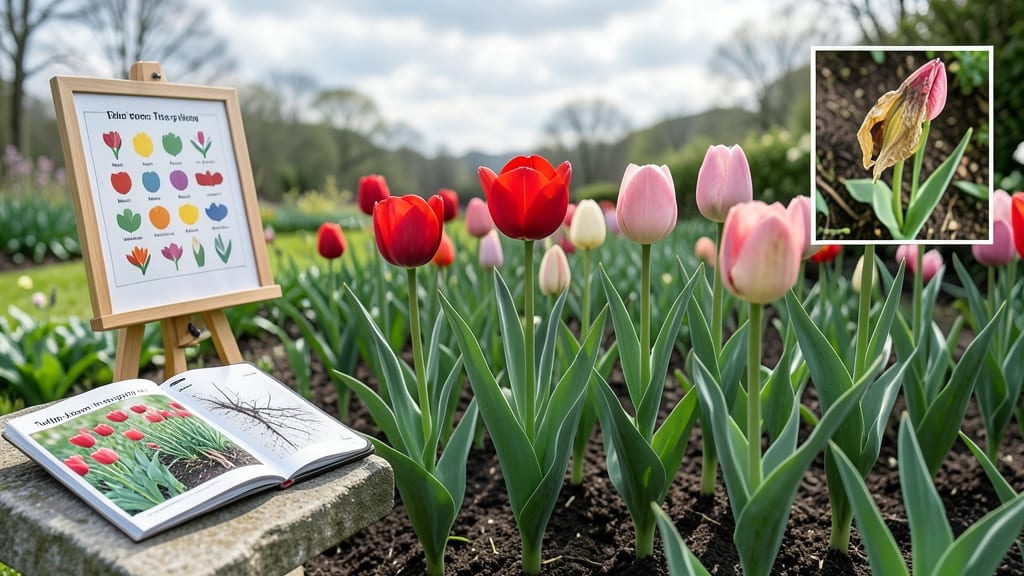
Tulips don't bloom all summer—most varieties produce vibrant flowers for just 2-3 weeks in spring, though reblooming types may yield a secondary, smaller bloom later in the season. Single-blooming varieties prioritize storing energy in their bulbs for next year's growth.
Tulips follow a strict seasonal rhythm tied to their bulb's energy reserves. 🌸 Most varieties—like classic Darwin hybrids or parrot tulips—focus their entire energy on one spectacular spring bloom because their bulbs need to replenish for winter survival.
Even reblooming types, which may produce a second flush in late summer, often sacrifice size and vibrancy for that second show.
The key difference lies in selective breeding: rebloomers like Fosteriana hybrids have been developed to handle the energy trade-off better, but they still can't compete with summer-long bloomers like daylilies or roses.
What's fascinating is how gardeners can influence this cycle through care practices. Proper fertilization timing (like applying high-phosphorus fertilizer after blooming) and deadheading spent blooms can encourage some varieties to produce that second bloom, though results vary dramatically by climate and soil conditions.
I've seen Darwin hybrids in my own garden produce a modest second bloom when given consistent moisture and shade during their summer dormancy period—proof that even nature's rules have some flexibility with the right care.
💡 In This Article
- Single vs Reblooming Tulips: How Bloom Cycles Differ
- Extending Tulip Blooms: Care Tips for Longer Seasonal Display
Single vs reblooming tulips: how bloom cycles differ
Tulip bloom cycles are governed by their bulb's energy storage system, which operates like a biological battery. Most tulips—particularly single-blooming varieties like Triumph tulips or Early Lancer tulips—allocate nearly all their stored carbohydrates and nutrients to producing one spectacular spring bloom.
This is an evolutionary survival strategy: after flowering, the bulb redirects energy to leaf growth, which photosynthesizes to rebuild reserves for next year's bloom. The leaves may stay green for 6-8 weeks after flowers fade, a critical period often overlooked by gardeners eager to tidy up.
Reblooming tulips, such as Darwin Hybrid tulips or Fosteriana hybrids, have been selectively bred to extend their flowering season through a different energy management approach. These varieties produce a primary bloom in spring, then enter a summer dormancy phase where they conserve energy while their leaves continue photosynthesizing.
With proper care—including consistent moisture and partial shade during summer heat—they may produce a secondary bloom in late summer or early fall, though these flowers are typically 30-50% smaller than the spring display. The trade-off is clear: rebloomers sacrifice some spring vigor to gain a second, smaller show.
What makes this fascinating is the role of day length and temperature in triggering blooms. Tulips are long-day plants, meaning they initiate flowering in response to increasing daylight hours in spring. However, reblooming varieties have been bred to break dormancy more easily when conditions are right in summer.
In my own garden, I've observed that Darwin hybrids often produce their second bloom when average temperatures remain below 80°F and daylight hours begin decreasing in late summer—proof that these plants are finely tuned to environmental cues.
The biological mechanism behind this involves florigen hormones, which signal the transition from vegetative growth to flowering. Single-blooming tulips produce florigen only once per year, while rebloomers can generate a second, weaker florigen signal under optimal conditions.
This explains why reblooming performance varies dramatically by climate: in hot, humid regions, the second bloom may fail entirely due to stress on the bulb's energy reserves. 🌱
Consider these key differences between single and reblooming tulips:
- Energy allocation: Single-bloomers prioritize one large spring show; rebloomers split energy between two smaller displays
- Leaf retention: Rebloomers keep leaves green for 8-10 weeks post-bloom to maximize photosynthesis
- Bulb size: Reblooming varieties typically require larger bulbs (12-16 cm circumference) to support two blooming cycles
- Climate tolerance: Rebloomers perform best in USDA Zones 3-7 with cool summers
The most dramatic example of this energy trade-off is the Parrot tulip variety 'Black Parrot,' which produces stunning, feather-like blooms in spring but rarely reblooms due to its already high energy demands.
Meanwhile, Fosteriana hybrids like 'Yellow Emperor' often deliver both a spring and summer display because their larger bulbs can sustain the additional energy cost.
This biological flexibility explains why some gardeners achieve reblooming success while others don't—it's not just about the variety, but also about creating the right conditions for the plant's energy management system to work optimally.