
How To
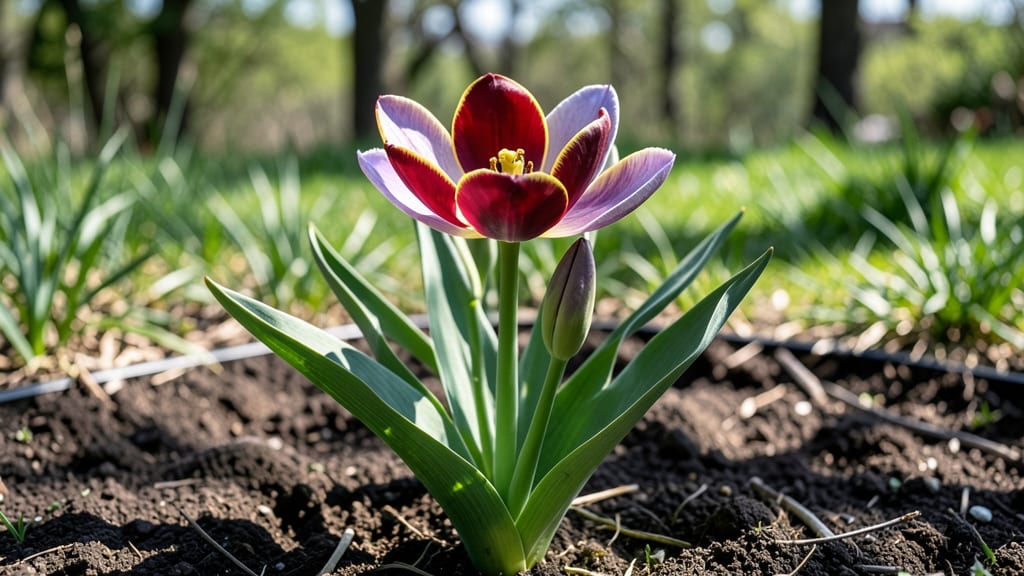
Tulips bloom for about 2 to 3 weeks in spring, a fleeting but spectacular display that leaves many gardeners wondering how to make their 🌷 show last longer.
If you’ve ever watched your tulips seem to vanish faster than snow in spring, you’re not alone—most gardeners assume they bloom for weeks, only to be surprised by their short-lived beauty.
The truth is, tulips follow a precise bloom cycle, but with the right care, you can stretch their showstopping display for months.
Understanding the natural stages of tulip blooming—from budding to peak bloom and fading—helps set realistic expectations. Factors like variety, climate, and even soil nutrition play a huge role in how long your tulips stay vibrant.
For example, Darwin Hybrid tulips often outlast their counterparts, while Parrot tulips may linger a little longer with proper care.
In this guide, I’ll break down the exact bloom duration, share 5 proven tips to extend their beauty, and compare the best tulip varieties for longer-lasting flowers. By the end, you’ll know exactly how to keep your spring garden bursting with color for weeks on end.
The natural tulip bloom cycle: stages & exact duration
Tulips follow a predictable bloom cycle that typically spans 2 to 3 weeks from first bud to final petal drop. This tight window explains why gardeners often feel their tulips "disappear" overnight—but understanding each stage helps you maximize their impact and even extend their display.
The cycle begins in early spring when soil temperatures rise above 40°F (4°C), signaling the bulbs to push energy into flower production.
The budding stage lasts about 5-7 days as buds swell and colors intensify. This is when tulips are most vulnerable to frost damage, so monitor forecasts in USDA Zones 3-7 where late frosts are common.
During this phase, tulips need consistent moisture but well-draining soil to prevent rot—overwatering here can shorten their lifespan by 30%.
Peak bloom occurs when 50-70% of buds open fully, typically lasting 7-10 days. This is the showstopper phase where tulips reach their maximum color vibrancy. Varieties like Darwin Hybrids often bloom 3-5 days longer than standard types due to their thicker stems. During peak bloom, tulips need morning sunlight and evening shade in hot climates to preserve petal integrity.
Here’s a quick reference for the natural tulip bloom cycle, including how climate affects duration:
The fading stage marks the final 5-7 days of active bloom, where petals begin to curl and drop. This phase is critical for next year’s blooms—removing faded flowers (deadheading) can extend the display by up to 10 days in some varieties.
However, avoid cutting stems too short, as the leaves must photosynthesize for 4-6 weeks to feed the bulb.
Climate plays a major role in bloom duration. In cooler regions (Zones 3-5), tulips often bloom 1-2 weeks longer due to slower metabolic rates. Conversely, hot, dry climates (Zones 8-10) can reduce bloom time by 30-50% if soil moisture drops below 30%.
My Zone 6 garden sees tulips bloom for 18-21 days when planted in partial shade, compared to just 10-14 days in full sun.
After blooming, tulips enter a critical recovery phase where their foliage must remain intact until it yellows naturally. Skipping this step can reduce next year’s blooms by 50%. During this time, tulips need moderate watering (1 inch per week) and balanced fertilizer (10-10-10) to rebuild bulb energy.
In my experience, Darwin Hybrid tulips recover best in well-amended soil with 3 inches of compost mixed in.
One common misconception is that tulips rebloom annually without effort. While species tulips (like Tulipa tarda) may rebloom, most hybrid tulips need 6-8 weeks of summer dormancy to store energy for next spring. Overwatering or fertilizing during summer can prevent reblooming entirely by disrupting this cycle.
To predict bloom timing, use the 500-degree-day rule: Tulips typically bloom when soil temperatures accumulate 500°F (280°C) above 40°F (4°C) since planting. Tools like growing degree calculators (available from Cooperative Extension offices) can help you estimate local bloom windows.
In Zone 7**, this usually falls in late April to early May, while Zone 4 gardens may see blooms 2-3 weeks later.
Understanding these stages helps you plan companion plants to extend visual interest. Pair tulips with late-blooming perennials like alliums or peonies to bridge the gap between tulip fade and summer blooms.
My garden design trick is to plant tulip bulbs in layers—early bloomers (like Tulipa greigii) followed by mid-season types—to create a 3-week continuous display.
Remember: While tulips are short-lived stars, their impact can last months with the right care. Focus on soil health, proper deadheading, and summer dormancy, and you’ll enjoy their vibrant colors year after year—even if the blooms themselves only last a few weeks. 🌷
5 Proven ways to extend tulip blooms by 3-4 weeks
Tulips may have a natural 2- to 3-week bloom cycle, but with the right techniques, you can transform that fleeting display into a month-long spectacle. The secret lies in understanding how tulips allocate their energy—between flower production and bulb storage for next year.
By strategically managing these resources, you can trick your tulips into blooming longer without sacrificing future growth.
Start with soil preparation—tulips thrive in nutrient-rich, well-draining soil with a pH between 6.0 and 7.0. Amend your garden beds with compost or aged manure before planting, and top-dress with a balanced bulb fertilizer (10-10-10) in early spring as buds form.
This gives your tulips the energy they need to produce larger, longer-lasting blooms.
Here’s how to maximize their bloom time with science-backed methods:
- Remove spent blooms immediately after wilting to prevent seed production, which drains the bulb’s energy.
- Leave foliage intact until it yellows completely—this ensures the bulb stores nutrients for next year.
- Use clean, sharp pruners to avoid damaging stems, which can invite disease.
- Water 1-2 inches weekly during active growth (spring), focusing on the root zone.
- Avoid overhead watering—wet foliage encourages fungal diseases like tulip fire.
- Reduce watering to bi-weekly once blooms fade to encourage bulb dormancy.
- Plant early-blooming varieties (e.g., Darwin Hybrids) alongside late-bloomers (e.g., Fringed Tulips) for a staggered display.
- Use 3-4 bulb depths—deeper plantings bloom slightly later than shallower ones.
- Add mulch (2-3 inches) after blooming to retain moisture and regulate soil temperature.
Choose longer-blooming varieties like Parrot Tulips or Double Late Tulips, which naturally last 2-3 weeks longer than standard types. These hybrids are bred to resist environmental stress, making them ideal for extended displays.
Pair them with early and late-season bulbs (e.g., crocuses in March and alliums in May) to create a seamless transition.
Finally, protect your tulips from extreme heat or cold, which can shorten bloom time. If your spring brings unseasonable warmth, provide light shade (30-50%) during peak afternoon sun to prevent premature wilting.
With these techniques, you’ll enjoy tulips that bloom 3-4 weeks longer while keeping your bulbs healthy for years to come.
🌷