
Blooming
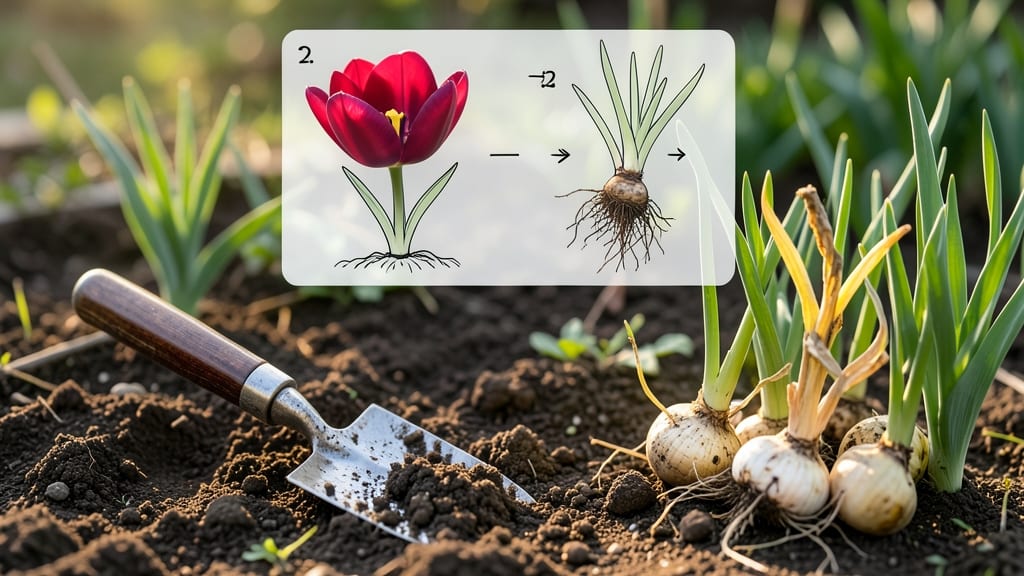
Do tulip bulbs only bloom once? No—they can flower for 3 to 5 years with proper care, though many varieties need 2 years to mature fully before their first bloom. Some hybrid types may even rebloom annually if given ideal growing conditions, rich soil, and consistent sunlight.
Tulip bulbs store energy underground in their bulb structure, which fuels each bloom cycle. 🌱 After flowering, they enter a dormant phase where they replenish nutrients—this is why many gardeners notice their first flush of blooms in the second year.
The key to extending their lifespan lies in soil fertility and seasonal care, as depleted nutrients force bulbs into premature retirement. I've found that dividing clumps every 3-4 years can actually rejuvenate older bulbs, giving them a second wind of blooming potential.
What surprises many gardeners is that some tulip varieties are actually perennial rebloomers when given perfect conditions. These include Darwin Hybrid and Fosteriana types, which can produce multiple bloom cycles with proper fertilization and deadheading.
The trade-off? Neglecting these care practices often leads to bulbs that flower spectacularly once... then vanish forever.
💡 In This Article
- How Tulip Bulb Lifespan Works: Science Behind Bloom Cycles
- Tips to Make Tulip Bulbs Rebloom Year After Year
How tulip bulb lifespan works: science behind bloom cycles
Tulip bulbs operate like natural energy banks, storing carbohydrates and nutrients in their layered scales. Each bloom cycle draws from these reserves, which is why a single bulb typically produces 1-3 flowers per stem.
After flowering, the bulb enters a critical dormancy phase lasting 6-8 weeks, where it replenishes energy through photosynthesis from its leaves—not the flowers. This process explains why removing flower stems too early can starve the bulb of future blooms.
The lifespan of a tulip bulb depends heavily on its genetic classification. Most garden varieties are biennial, meaning they need 2 years to fully mature before their first bloom, then typically produce for 3-5 years before declining.
However, Darwin Hybrid and Fosteriana tulips (like 'Queen of Night') are more resilient, often reblooming annually if given well-draining soil with a pH between 6.0-7.0 and 6-8 hours of sunlight daily. The key difference lies in their root systems—reblooming varieties develop deeper, more extensive roots that access more nutrients.
Climate plays a surprising role in bloom cycles. Tulips native to temperate regions (like the Dutch varieties) require vernalization—a cold period of 4-6 weeks below 40°F—to trigger flowering. Without this chilling period, bulbs may produce leaves but no flowers, a phenomenon called "blind stems."
In warmer climates, gardeners often plant bulbs in fall to ensure proper cold exposure, while in colder zones, mulching with 3-4 inches of straw protects bulbs from freezing while maintaining dormancy conditions.
Nutrient depletion is the silent killer of tulip bulbs. Each bloom cycle consumes approximately 20-30% of the bulb's stored energy, and without replenishment, bulbs weaken over time.
This is why many gardeners notice their tulips flowering larger but fewer blooms each subsequent year—a sign the bulb is drawing from its reserves. The solution?
Annual applications of balanced fertilizer (10-10-10) in early spring and composted manure in fall can extend blooming by 2-3 additional years by replenishing phosphorus and potassium.
What most gardeners don't realize is that tulip bulbs actually divide and multiply over time. Each bulb produces 1-2 offsets (baby bulbs) annually, which can be separated and replanted to create new blooming stems.
This natural propagation explains why some tulip patches appear to "come back stronger" each year—it's not the original bulb reblooming, but its offspring taking over. The trade-off? If you don't divide these offsets every 3-4 years, the original bulb's energy gets split among too many stems, weakening future blooms.
Consider this comparison: A neglected tulip bulb might produce 10 spectacular blooms in its prime year but then decline rapidly.
With proper care—including deadheading spent blooms, watering deeply during dormancy, and protecting from pests like squirrels—the same bulb could yield 3-5 years of consistent blooms with 15-20 flowers per season. The difference comes down to treating your tulips like perennial investments rather than one-time displays. 🌸