
Blooming
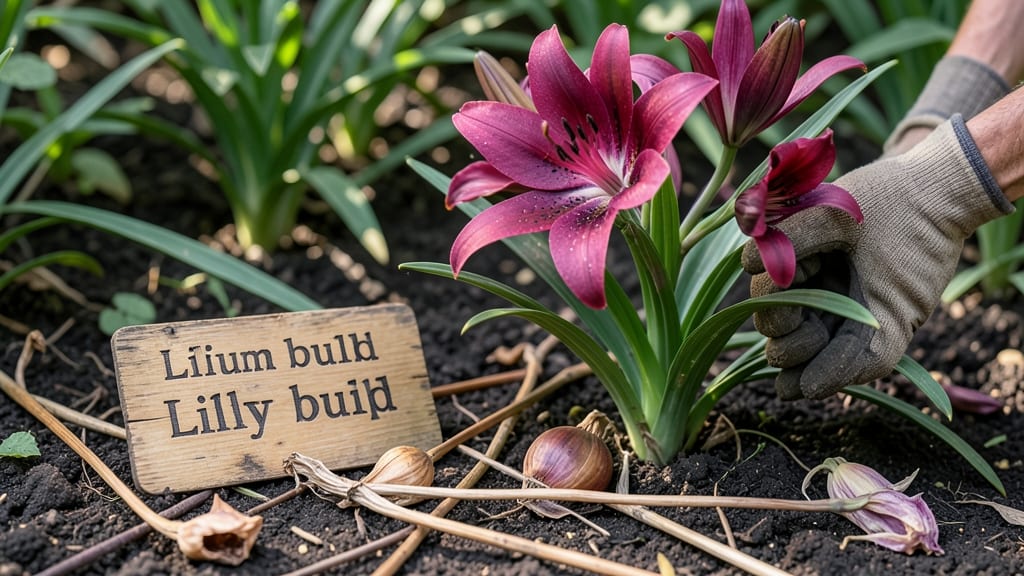
Lilies bloom again each year if they're perennials, thriving with consistent sunlight, well-draining soil, and proper winter protection. Most true lilies (Lilium species) return annually, though reblooming success varies by variety. Annual lilies, however, will not regrow after flowering.
Whether your lilies return depends entirely on their type and care routine. 🌸 True lilies store energy in their bulbs during dormancy, preparing for next season's growth—think of it like a rechargeable battery.
Daylilies (often mistaken for true lilies) are different beasts: they're hardy perennials that reliably rebloom with minimal fuss. The key difference lies in their biological makeup—true lilies need precise conditions to trigger reblooming, while daylilies are more forgiving.
I've seen Asiatic lilies rebloom reliably when given 6+ hours of sunlight daily and well-draining soil, but Oriental lilies often need extra winter mulch to survive colder climates.
For gardeners eager to coax repeat blooms, focus on three critical factors: soil health, sun exposure, and post-bloom care. After flowers fade, trim stems but leave foliage intact—those leaves photosynthesize to fuel next year's blooms.
A balanced fertilizer in early spring gives them the nutrients they need, while proper winter mulching protects roots from freeze-thaw cycles. The payoff? Healthy bulbs that burst with color year after year.
💡 In This Article
- Why Lilies Bloom Again: Perennial Growth Cycles Explained
- How to Encourage Lilies to Bloom Again Next Season
Why lilies bloom again: perennial growth cycles explained
True lilies (Lilium species) bloom again because they're perennials with specialized underground storage organs called bulbs. These bulbs act like biological batteries, storing starches and nutrients during dormancy—typically in late fall through winter—to fuel next season's growth.
The bulb's base, called the basal plate, contains meristematic cells that remain dormant until temperature and daylight cues trigger regrowth. In Asiatic lilies, this process starts as early as late winter in mild climates, while Oriental lilies often wait until spring's warmth signals safety.
The reblooming cycle involves three key phases: dormancy, vegetative growth, and flowering. During dormancy (6-8 weeks), the bulb metabolizes stored energy at a minimal rate. When daytime temperatures consistently reach 50-55°F, the bulb's meristems activate, sending up shoots that develop leaves before flowers.
This sequence explains why lilies planted in fall often bloom earlier than those planted in spring—they've had more time to establish their energy reserves. 🌱 The process is similar to how tulips regrow, but lilies require more consistent moisture and nutrients to sustain their larger blooms.
Climate plays a crucial role in this cycle. Lilies native to temperate regions (like Lilium canadense) need cold stratification—exposure to 4-6 weeks below 40°FLilium longiflorum) prefer milder winters. The wrong climate can disrupt this cycle entirely, causing bulbs to rot or fail to regrow.
I've observed Stargazer lilies in Zone 5 gardens rebloom reliably when protected with 12 inches of mulch during winter, while the same variety in Zone 7 often needs no extra protection.
There's an important distinction between true lilies and daylilies (Hemerocallis), which are often confused. Daylilies have rhizomes instead of bulbs and can rebloom multiple times in a single season with proper care.
True lilies, however, typically produce one flush of blooms per year, with energy focused entirely on bulb replenishment afterward. This biological difference explains why daylilies seem more resilient—their horizontal root systems spread nutrients more efficiently, while true lilies concentrate all their energy in their single bulb.
Light exposure triggers another critical mechanism. Lilies are photoperiod-sensitive, meaning they respond to daylight length. Most varieties need 12-14 hours of daylight to initiate flowering, which is why they bloom in late spring or summer.
In regions with short summer days (like the Pacific Northwest), lilies may produce fewer blooms or none at all. This explains why gardeners in Zone 4 often see later blooming than those in Zone 8—the longer daylight periods in warmer climates provide the necessary photoperiod stimulus.
What most gardeners don't realize is that the bulb's size directly correlates with reblooming success. A mature lily bulb (3-4 inches in diameter) can produce 3-5 stems, while smaller bulbs may produce only one or none.
This is why dividing and replanting established clumps every 3-4 years improves future blooms—it prevents bulb crowding and allows each bulb to maintain optimal size. The energy storage capacity of a large bulb can support multiple blooms, while a crowded bulb divides its resources among too many stems.