
Blooming
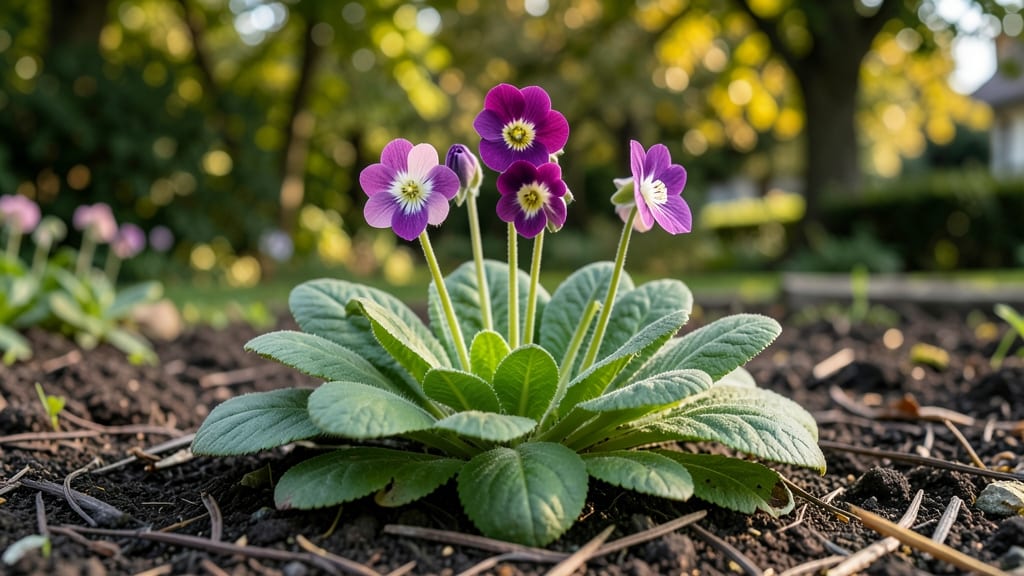
Primroses do bloom all summer—but not all varieties make it that far. 🌸 Most primroses shine in spring, then fade as temperatures rise, but heat-resistant types like Primula denticulata or Primula bulleyana keep flowering through July and beyond with the right care.
The trick isn’t just picking the right plants; it’s giving them cool roots, consistent moisture, and shade from midday sun.
Think of primroses like delicate ballerinas—they need the right stage lighting (partial shade) and a cool dressing room (well-draining soil with organic matter). Deadhead spent blooms religiously, and you’ll coax weeks of continuous flowers instead of a single spring burst.
My Primula denticulata in partial shade still bloomed in August last year, while the ones in full sun gave up by June.
For true summer-long color, pair primroses with shade-tolerant companions like ferns or astilbes. The key is keeping their roots cool—mulch heavily in spring and avoid overhead watering. With these tweaks, you’ll turn primroses from seasonal stars into your garden’s late-summer surprise.
Pro tip: If your primroses start looking tired by mid-summer, don’t prune—just let them rest. They’ll often bounce back in fall with fresh growth. The varieties that thrive longest are the ones that hate heat almost as much as they love blooming.
📚 In This Guide
- What you need
- Instructions
- Tips and common mistakes
- Wrapping up and next steps
What you need
- ● Heat-tolerant primrose varieties: 3–5 plants of Primula denticulata (Musk Primrose), Primula vialii (Bird’s-Eye Primrose), or Primula veris ‘Watsoniana’ (Cowslip). Choose established plants (1–2 years old) for resilience.
- ● Well-draining potting mix: 10–15 gallons of a blend with 50% peat-free compost, 30% perlite/pumice, and 20% coarse sand (for aeration and heat resistance).
- ● Containers or garden bed: Containers: 5–7 gallon pots with drainage holes (terracotta or fabric grow bags work best).
- ● Garden beds: Full sun to partial shade (morning sun + afternoon shade in hot climates).
- ● Mulch: 2–3 inches of organic mulch (straw, shredded bark, or pine needles) to retain moisture and regulate soil temp.
- ● Fertilizer: Slow-release balanced fertilizer (10-10-10) or compost tea (apply every 4–6 weeks). Avoid high-nitrogen blends.
- ● Watering can or drip irrigation: With a fine rose nozzle for gentle, deep watering (1–1.5 inches per week).
- ● Garden trowel or transplant spade (for planting).
- ● Pruning shears (sterilized with rubbing alcohol).
- ● pH test kit (ideal soil pH: 6.0–7.0).
- ○ Shade cloth (30–50%) (optional for extreme heat zones; drape over containers if temps exceed 85°F (29°C)).
- ● Heat-resistant stakes or pebbles (for containers; prevents root overheating).
- ● 🌡️ Acclimate plants: Harden off nursery-bought primroses by exposing them to gradual sunlight over 7–10 days before full sun.
- ● ✨ Deadhead regularly: Snip spent blooms to encourage continuous flowering and reduce stress.
- ● 💧 Water wisely: Early morning watering prevents fungal issues and evaporative loss.
How to select and care for primroses that bloom all summer
These heat-tolerant varieties prove primroses aren't just spring flowers—with the right choices and care, they'll reward you with color through summer's peak.
🌿 Step 1: Choose Heat-Tolerant Primrose Varieties
Not all primroses handle summer heat. Look for Primula denticulata or Primula malacoides varieties—they thrive in 60-75°F temperatures and continue blooming when others fade. These varieties also tolerate brief periods above 80°F if given afternoon shade. Avoid traditional Primula vulgaris (English primrose) unless you're in a cooler climate.
Check seed packets or plant tags for heat resistance ratings. I always select varieties labeled "summer-blooming" or "heat-tolerant." These plants have thicker leaves and deeper root systems that help them retain moisture during hot spells. Start with 4-6 plants to test different varieties in your microclimate.
☀️ Step 2: Position for Optimal Sun and Temperature Balance
Place your primroses where they get morning sun and afternoon shade—this protects them from the hottest afternoon rays while still giving them light for blooming. A location with 4-6 hours of filtered light works best. If your garden has intense afternoon sun, provide 30-50% shade cloth during peak heat (typically 11 AM to 4 PM).
Watch for wilting leaves in afternoon sun—this is your cue to adjust placement. Mulch heavily with 2-3 inches of organic mulch to keep roots cool and retain moisture. I use shredded bark around my primroses, which also helps suppress weeds that compete for water during dry spells.
💧 Step 3: Water Strategically to Extend the Blooming Season
Primroses need consistent moisture but hate soggy roots. Water when the top 1-2 inches of soil feel dry—this usually means every 2-3 days in summer heat, but check daily during heatwaves. Water deeply at the base rather than overhead to prevent fungal diseases that thrive in humid conditions. Early morning watering gives foliage time to dry before evening humidity sets in.
To encourage continuous blooming, fertilize lightly with a balanced 10-10-10 fertilizer every 4-6 weeks during the growing season. I mix a teaspoon of fertilizer into the soil around each plant, being careful not to touch the leaves. Over-fertilizing leads to lush foliage but fewer flowers—primroses bloom best when they're slightly stressed by moderate conditions.
✂️ Step 4: Prune and Deadhead for Prolonged Flowering
Remove spent blooms immediately by snipping the flower stem just above the next set of leaves. This redirects the plant's energy to producing new flowers instead of setting seed. I deadhead my primroses every 2-3 days during peak bloom to keep them looking fresh and encourage continuous flowering. Use clean, sharp pruners to avoid damaging the stems.
After the first flush of blooms, trim back any leggy or overgrown stems by one-third to encourage bushier growth. This prevents the plant from becoming top-heavy and helps it maintain a compact shape. Avoid heavy pruning in late summer—this can reduce next year's blooms. Instead, focus on light maintenance pruning to keep the plant tidy without stressing it.
🪴 Step 5: Protect Plants During Heatwaves
When temperatures exceed 85°F, provide extra shade and increase watering frequency. Move container-grown primroses to a shadier spot or bring them indoors to a bright, cool room (ideally 65-75°F) during extreme heat. For in-ground plants, create a temporary shade structure using a lightweight fabric or even a large umbrella to filter direct sunlight.
Monitor for signs of heat stress, such as yellowing leaves or wilting despite adequate water. If you notice these symptoms, immediately move the plant to a cooler location and increase watering. Once temperatures drop below 80°F, gradually reintroduce the plant to its original location. This helps them recover without shock. With proper care, your heat-tolerant primroses will continue blooming beautifully through summer's end.
Tips & tricks for heat-resistant primroses that bloom all summer
Here's what nobody tells you about keeping primroses thriving when others fade—these tricks make all the difference.
Variety Selection Insight: When choosing between Primula denticulata and Primula malacoides, opt for Primula denticulata if you live in regions with brief summer heatwaves. Its slightly larger leaves help it retain moisture better during those 80-85°F spikes. I've found that Primula malacoides handles prolonged 75°F temperatures more gracefully, making it ideal for southern gardens where afternoon shade is less critical.
Microclimate Strategy: The 4-6 hours of filtered light recommendation works best when paired with a reflective surface nearby. Position your primroses near light-colored walls or gravel paths—these reflect sunlight back onto the plants during morning hours, giving them that extra boost without risking afternoon heat stress. In containers, use terracotta pots which breathe better than plastic and help regulate root temperature during heat spikes.
Watering Wisdom: The "top 1-2 inches of soil" rule is perfect, but here's the secret: use a soil moisture meter for accuracy. I've caught myself overwatering when the top layer feels damp but deeper soil remains dry. For container plants, water until you see moisture emerge from the drainage holes—this ensures the entire root ball gets hydrated. Mulch with 2-3 inches of straw instead of bark if you're in a windy area—it holds moisture better and won't blow away during summer storms.
Heatwave Rescue: When temperatures hit 85°F, don't just move plants—create a "cooling tent." Use a lightweight shade cloth draped loosely over a wire frame above your primroses. This allows air circulation while filtering 50-60% of sunlight. For container plants, place them on elevated trays filled with damp pebbles—the evaporative cooling helps lower root zone temperatures by 5-10°F during peak heat.
Pro Tips for Do Primroses Bloom All Summer
- Here's what nobody tells you about keeping primroses thriving when others fade—these tricks make all the difference.
- Variety Selection Insight: When choosing between Primula denticulata and Primula malacoides, opt for Primula denticulata if you live in regions with brief summer heatwaves.
- Microclimate Strategy: The 4-6 hours of filtered light recommendation works best when paired with a reflective surface nearby.
Frequently asked questions
Got questions about keeping primroses in bloom all summer?
You’re not alone! Here are answers to the most common queries—from heat hacks to troubleshooting wilting blooms.
Can primroses survive hot summer temperatures?
Most primroses thrive in cool spring weather, but heat-resistant varieties like Primula denticulata or Primula bulleyana can handle 75–85°F (24–29°C) with proper care. Provide afternoon shade, mulch roots, and water deeply to prevent stress. Avoid soggy soil—drainage is key!
Why do my primroses stop blooming in summer?
Primroses often go dormant in heat to conserve energy. If yours fade early, check for:
- Overcrowding – Thin plants for airflow.
- Poor soil – Amend with compost for nutrients.
- Lack of deadheading – Snip spent blooms to encourage new ones.
What’s the best way to extend primrose blooms into summer?
Try these pro tips:
- Mulch heavily – Use straw or pine needles to insulate roots.
- Mist leaves – Light morning misting raises humidity.
- Container swaps – Move pots to shaded patios or basements during heatwaves.
- Succession plant – Add coral bells (Heuchera) or impatiens for summer color while primroses rest.
Are there primrose alternatives that bloom all summer?
If primroses struggle, try these long-blooming perennials for shade:
- Hosta – Lush foliage + summer blooms (e.g., Hosta ‘Halcyon’).
- Astilbe – Feathery plumes from early to late summer.
- Lungwort (Pulmonaria) – Blooms spring to early summer, then foliage interest.
- Tiarella – Foamy flowers + heat-tolerant once established.
What do I do if my primroses wilt or turn yellow in heat?
Act fast! Wilting or yellow leaves often signal:
- Underwatering – Soak soil 1–2 inches deep; primroses hate dry roots.
- Overheating – Move to shade immediately and trim damaged leaves.
- Fungal issues – Space plants for airflow; avoid overhead watering.
Wrapping up and next steps
So, do primroses bloom all summer?
While they’re not built for scorching heat, heat-resistant varieties like Primula denticulata or Primula bulleyana can thrive with the right care—proving that seasonal limits aren’t set in stone! 🌿 Whether you’re a gardening newbie or a seasoned pro, experimenting with these tougher primroses can bring vibrant color to your garden well beyond spring. Ready to give it a try?
Start by checking out the heat-resistant varieties and their care needs, then pick one that fits your climate and garden style. Plant with confidence—your summer garden will thank you!