
Blooming
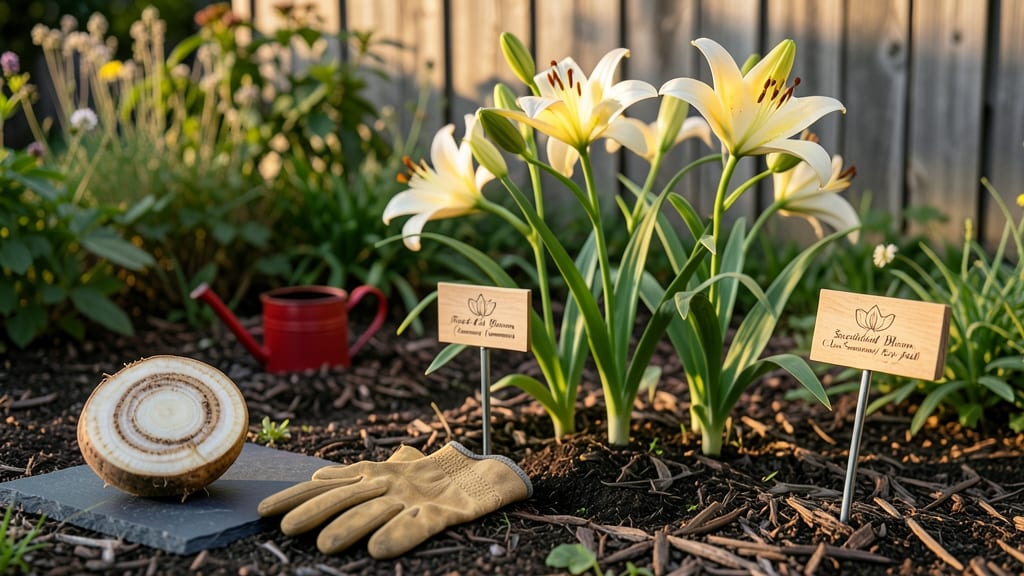
Do lilies bloom more than once? Yes—but it depends on the variety. Asiatic and Oriental lilies typically rebloom annually with proper care, while Trumpet and Martagon lilies usually bloom once per season. Deadheading spent blooms and consistent moisture encourage repeat flowering.
Not all lilies are created equal when it comes to reblooming. 🌸 The key difference lies in their energy reserves and growth cycles—Asiatic and Oriental varieties store enough nutrients in their bulbs to support multiple blooming cycles, while others like Trumpet lilies focus their energy on one spectacular show per year.
I’ve found that the secret to encouraging reblooms lies in mimicking their natural growing conditions: well-draining soil, regular watering (but never soggy roots), and a balanced fertilizer rich in phosphorus to support flower production.
What many gardeners overlook is the importance of timing. For repeat bloomers, I recommend removing spent blooms promptly to redirect energy to new growth, and applying a slow-release bulb fertilizer in early spring.
Mulching in winter helps protect the bulbs from temperature swings, which can stress them and reduce next year’s blooms. The payoff? With the right care, your Asiatic lilies might reward you with a second flush of flowers in late summer!
💡 In This Article
- Lily Reblooming Science: Why Some Varieties Flower Twice
- Pro Tips for Encouraging Repeat Lily Blooms
Lily reblooming science: why some varieties flower twice
The botanical reason behind lily reblooming comes down to their energy storage and growth habits. Asiatic and Oriental lilies store nutrients in their bulbs like a natural battery, allowing them to produce multiple flower stalks in a single season.
These varieties typically bloom in early to mid-summer, then again in late summer or early fall if given the right conditions. Their bulb systems are designed to recover quickly after flowering, unlike single-blooming types that exhaust their energy reserves in one spectacular display.
Temperature and daylight play crucial roles in triggering reblooming. Asiatic lilies, for example, thrive in USDA zones 3-9 and need consistent soil temperatures between 60-70°F to encourage second blooms. Oriental lilies, which often bloom later in the season, require slightly cooler nights (55-65°F) to stimulate new growth.
The key is maintaining steady moisture—neither drought nor waterlogging—which helps the plant redirect energy from seed production to flower development.
Hybridization also explains why some lilies rebloom better than others. Modern cultivars like 'Stargazer' (Oriental) or 'African Queen' (Asiatic) have been bred specifically for repeat flowering. These hybrids often combine the hardiness of Asiatics with the fragrance and larger blooms of Orientals.
The trade-off? They may require more precise care to maintain their reblooming habits, including balanced 10-10-10 fertilizer applications every 4-6 weeks during growing season.
Single-blooming lilies like Trumpet (Lilium longiflorum) and Martagon (Lilium martagon) follow a different energy strategy. Their blooms are their primary reproductive focus, and they invest heavily in one stunning display rather than multiple smaller ones.
Trumpet lilies, for instance, produce delicate, fragrant flowers but often decline after their first bloom unless given 6-8 hours of direct sunlight daily and well-draining soil. Martagon lilies, with their unique turk's cap shape, are even more conservative with their energy, typically blooming just once per season.
What most gardeners miss is how bulb size affects reblooming potential. Larger bulbs (typically 2-3 inches in diameter) have more stored energy to support multiple blooms, while smaller bulbs may only manage one.
Over time, mature bulbs develop more offsets (baby bulbs), creating a network that can sustain repeat flowering. This is why established lily patches often outperform newly planted ones.
Consider this analogy: Reblooming lilies are like marathon runners who pace themselves for multiple sprints, while single-bloomers are sprinters who go all-out in one burst. The difference comes from their genetic programming and how we support their natural tendencies with care. 🌿