
Blooming
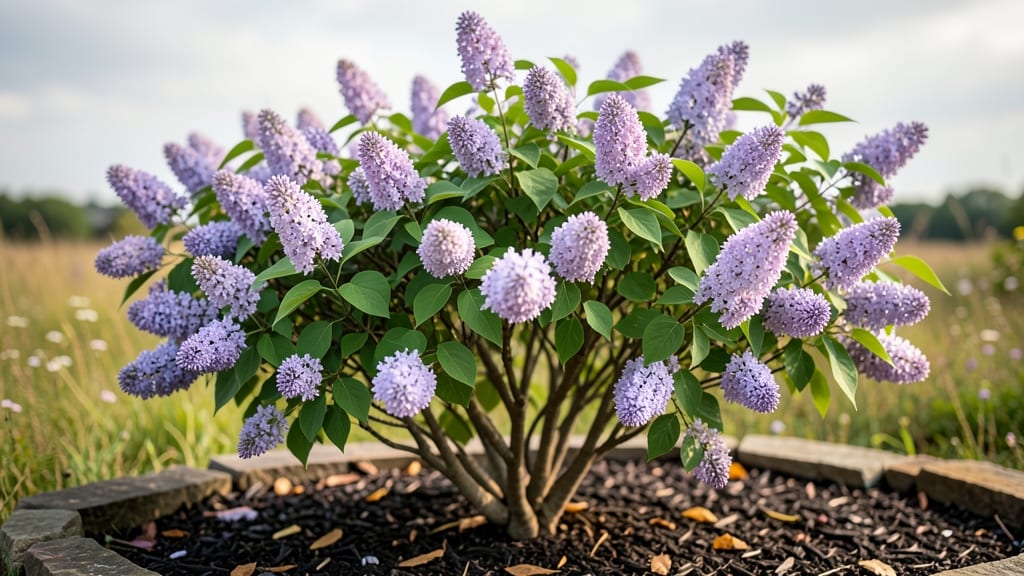
Lilacs don't bloom all summer—they flower for just 1-2 weeks in spring, with some late varieties lasting into early summer. Their blooming window is tied to specific climate cues rather than continuous growth.
Lilacs are spring's star performers, not summer's steady bloomers.
Their flowering is triggered by chilling hours in winter and daylight length in spring, which explains why most varieties peak in just 7-14 days. 🌸 What's fascinating is how different cultivars respond—some like 'Miss Kim' bloom later, while others like 'Common Lilac' are early risers.
The key to extending their display? Planting multiple varieties with staggered bloom times creates a cascading effect that keeps your garden vibrant longer.
This seasonal pattern isn't just about timing—it's also about survival. Lilacs conserve energy by blooming all at once, producing seeds efficiently before summer heat arrives. That's why you won't find continuous blooms like you would with roses or hibiscus.
Instead, their true magic lies in that concentrated burst of color when spring arrives.
💡 In This Article
- Why Lilacs Bloom Seasonally: Science Behind Their Flowering Cycle
- Best Lilac Varieties for Extended Summer Interest
Why lilacs bloom seasonally: science behind their flowering cycle
Lilacs follow a strict seasonal schedule because their blooming is controlled by two key botanical triggers: chilling hours and photoperiodism. During winter, lilacs require 400-1,000 chilling hours (below 45°F) to break dormancy—a process called vernalization.
Without sufficient cold exposure, buds won't develop properly, explaining why lilacs in warm climates may bloom erratically or not at all. 🌡️ Once winter's chill is satisfied, the plant waits for spring's increasing daylight to trigger flower production through photoperiodism, where longer days signal it's time to bloom.
The concentrated bloom period (typically 7-14 days) is an evolutionary adaptation. Lilacs produce all their flowers at once to maximize pollination efficiency during optimal weather conditions—spring's mild temperatures and higher humidity. This strategy conserves energy compared to continuous blooming, which would require constant resource investment.
Early varieties like 'Syvillia' bloom in late April, while late bloomers such as 'Katherine Havemeyer' appear in early June, demonstrating how different cultivars synchronize with local climate patterns.
Temperature plays a critical role in extending or shortening bloom time. Ideal flowering occurs between 50-70°F—heatwaves above 85°F can cause buds to drop prematurely, while cold snaps below 40°F may delay blooming.
The fragrance you associate with lilacs (thanks to volatile compounds like linalool) peaks during these 1-2 week windows, making their scent most intense at dawn when temperatures are coolest. This sensory peak is another clue to their seasonal timing strategy.
What most gardeners don't realize is that lilacs are determinate bloomers, meaning they produce flowers on previous year's growth. Unlike roses that bloom repeatedly, lilacs rely on last season's wood to bear flowers this spring.
This is why proper pruning after blooming (cutting right after flowers fade) is crucial—it encourages next year's flower buds to form on new growth. The trade-off? This annual cycle explains why you won't see continuous blooms throughout summer.
Climate variations create dramatic differences in bloom timing. In Zone 5, lilacs typically bloom in May, while in Zone 8 they may wait until June. Some late varieties like 'Dwarf Korean' can extend blooming into early July, but even these won't last beyond 3-4 weeks.
The key to understanding this pattern is recognizing that lilacs are spring ephemerals—plants that bloom early before summer's heat arrives, similar to trilliums or bloodroot.
For those wanting summer interest, the solution lies in plant selection rather than forcing lilacs to bloom continuously. By combining early, mid, and late varieties, you can create a 3-4 week display that stretches from late April through June.
This staggered approach mimics nature's strategy while giving your garden a prolonged show of color. 🌸