
Blooming
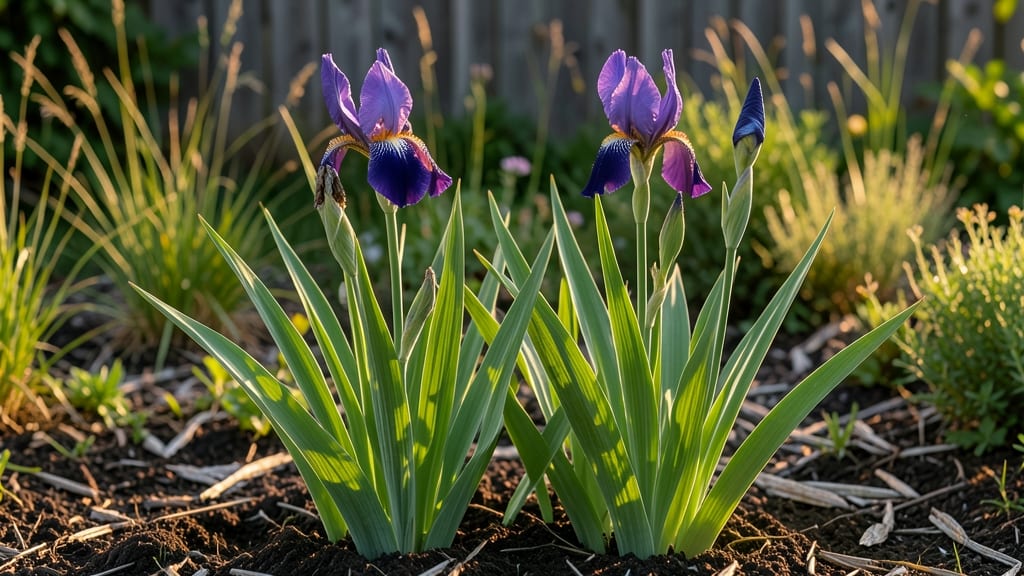
Irises bloom more than once in a season only if they are reblooming varieties like Louisiana or Japanese irises, which thrive with proper care, while standard bearded irises typically flower just once per year. Deadheading spent blooms and fertilizing encourage repeat flowering in compatible types.
Not all iris varieties are created equal when it comes to flowering frequency. 🌸 Louisiana and Japanese irises are the standout performers, capable of producing two distinct blooms per season when given the right conditions.
The key difference lies in their growth habits—reblooming types allocate energy differently, storing reserves during their first bloom to fuel a second round later in the year.
Standard bearded irises, however, follow a strict one-bloom-per-year cycle tied to their natural dormancy period. These plants prioritize root and foliage development over repeat flowering, which is why they only produce their spectacular displays once annually.
The good news? With consistent care like regular deadheading and balanced fertilization, even reblooming types need encouragement to perform their best.
💡 In This Article
- Reblooming Iris Types: Which Varieties Flower Twice?
- Care Tips to Encourage Second Iris Blooms
Reblooming iris types: which varieties flower twice?
The difference between single-blooming and reblooming irises comes down to their genetic programming and energy allocation strategies. Standard bearded irises follow a strict monocarpic flowering pattern, meaning they produce one spectacular bloom cycle annually before entering dormancy to rebuild reserves.
This is hardwired into their growth cycle—think of it like a battery that recharges once per year. Louisiana and Japanese irises, however, evolved in warmer climates where seasonal changes are less dramatic, allowing them to produce two distinct flowering periods per year.
Here's what sets them apart scientifically: Reblooming varieties like Louisiana irises (Iris laevigata hybrids) can produce their first flush of blooms in late spring, then store carbohydrates in their rhizomes through summer heat.
When temperatures drop in early fall, they redirect those stored nutrients to produce a second bloom cycle.
Japanese irises (Iris ensata) follow a similar pattern but often bloom slightly later, with their second flush appearing in mid-to-late summer when moisture levels remain high. 🌿 The key difference is their ability to maintain active growth through summer rather than entering full dormancy.
Climate plays a crucial role in determining whether these reblooming varieties will perform. In USDA zones 7-9, where summers are hot but winters mild, Louisiana irises typically produce both blooms reliably.
However, in colder zones 3-6, the second bloom often fizzles because the summer heat isn't sufficient to break dormancy properly. Japanese irises tend to be more adaptable, thriving in zones 5-8 with their second bloom appearing when daytime temperatures hover around 75-80°F and nights remain above 60°F.
What most gardeners don't realize is that even within reblooming categories, there are performance variations. For example, Louisiana iris hybrids like 'George' or 'Storm Cloud' are known for their vigorous second blooms, while some Japanese iris cultivars may only produce a modest second flush.
The rhizome size also matters—larger, well-established rhizomes (typically 3-5 inches in diameter) have the energy reserves needed for two bloom cycles, whereas smaller divisions may only manage one.
There's also a fascinating phenomenon called "false reblooming" that occurs when gardeners confuse new growth for second blooms. This happens when iris foliage dies back after the first bloom, then regrows—this is actually just the plant preparing for next year's bloom, not a second flowering.
True reblooming varieties will produce fully formed flower stalks (called scapes) in both cycles, while false rebloomers only show leafy growth. 💡 This distinction is critical for gardeners hoping to achieve that coveted double display.
When selecting reblooming varieties, pay attention to their native growing conditions. Louisiana irises thrive in moist, acidic soils (pH 5.5-6.5) along pond edges or in rain gardens, while Japanese irises prefer well-drained, slightly alkaline soils (pH 6.5-7.5) in partial shade.
The right soil conditions can make the difference between a reliable second bloom and a disappointing failure. For example, planting Louisiana irises in dry, alkaline soil will stress the plant and likely prevent the second flowering entirely.