
Blooming
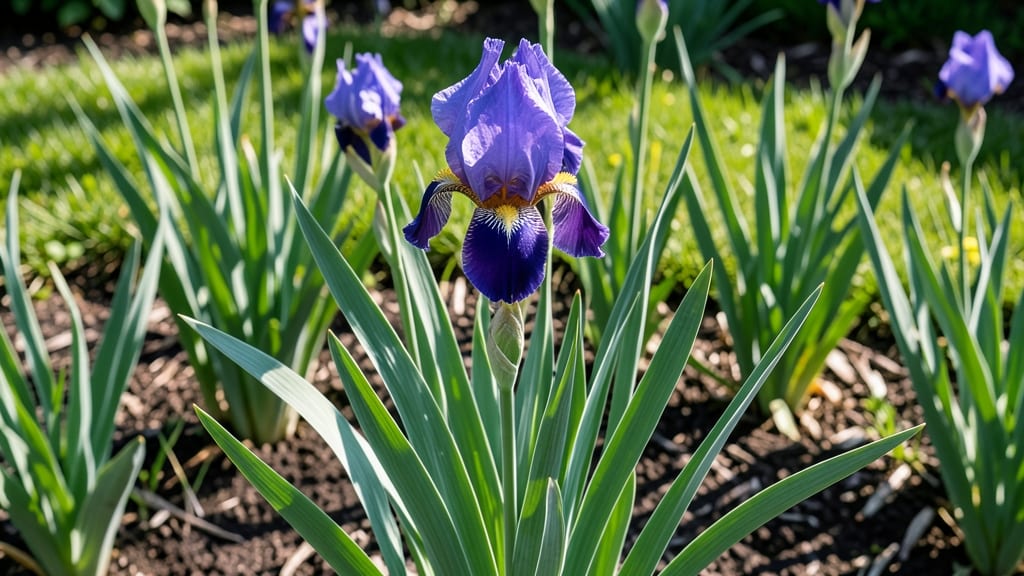
Knowing the iris flower bloom time means timing your garden highlights perfectly—whether it's the bold purple spikes of bearded irises in spring or the delicate Siberian blooms in late summer. 🌸 I've watched my own irises go from stubborn dormancy to showstopping displays, and the difference between a thriving patch and a disappointing one often comes down to understanding their natural rhythms.
Most gardeners assume irises bloom together, but they actually span three distinct seasons depending on the type: early spring for bearded varieties, late spring for Louisiana irises, and summer/fall for Siberians.
Zone 5 gardeners like me see bearded irises peak in May, while Zone 8 gardeners might enjoy their second bloom in fall—if they give the plants enough rest between cycles.
The secret to encouraging blooms isn't complicated: plant rhizomes at the right depth (just above soil level), give them full sun, and resist the urge to over-fertilize.
My most reliable bloomers get a light feeding of bulb fertilizer in early spring, but too much nitrogen sends them into leafy overdrive instead of flower production. For those wondering why their irises aren't blooming, check your planting depth—too deep means no flowers, and too shallow means weak stems.
Patience is key: established clumps often take 3-5 years to reach their peak, but once they do, they'll reward you with years of effortless color.
📚 In This Guide
- What you need
- Instructions
- Tips and common mistakes
- Wrapping up and next steps
What you need
- ● USDA Hardiness Zone Map (printed or digital) – To identify your local zone (Zones 3–10 for most irises).
- ● Iris Varietal Guidebook (or trusted online resources like American Iris Society) – Lists bloom times by type (e.g., bearded, Siberian, Japanese).
- ● Notebook or digital calendar – For logging bloom dates and notes.
- ○ Garden journal (optional but helpful) – To track weather patterns, soil conditions, and bloom variations.
- ● Bloom-time tracking app (e.g., Gardenate or PlantNet) – Syncs with your zone and sends alerts.
- ● Camera or smartphone – For capturing peak blooms (bonus: use a macro lens for close-ups!).
- ● Pruners or shears – To deadhead spent blooms and encourage reblooming.
- ● Soil pH test kit – Irises thrive in slightly acidic to neutral soil (pH 6.0–7.0).
- ● Fertilizer (balanced 10-10-10 or iris-specific) – Apply in early spring for vibrant blooms.
How to time iris blooms for your growing zone
Here's the system I use to predict—and extend—iris blooms based on your hardiness zone.
🌱 Step 1: Identify Your Iris Variety and Zone
Iris bloom times vary wildly by type and climate. First, note your USDA hardiness zone—this determines when to expect blooms. For example, bearded irises (the most common type) typically bloom in late spring (April–May in zones 5–7, May–June in zones 8–9), while siberian irises bloom earlier (March–April in zones 3–6). Write down your variety and zone—this is your starting point.
I always double-check my zone on the USDA map, especially if I'm near a border (like zone 6b vs. 7a). A quick Google search for your iris type + "bloom time by zone" reveals exact weeks. For instance, Louisiana irises bloom in summer (June–July), regardless of zone, because they're heat-lovers.
☀️ Step 2: Track Local Frost Dates and Sunlight
Bloom timing hinges on chilling requirements and warm-up triggers. Most irises need 6–8 weeks of cold temperatures (below 40°F) to set flower buds. After that, they wait for consistent daytime highs above 50°F to bloom. Check your local last frost date—irises planted in fall need this cold period to prepare for spring blooms.
Sunlight matters too. Irises demand full sun (6+ hours daily) for robust blooms. If your garden gets less than 6 hours, blooms will be sparse or late. I test sunlight with a solar calculator app—any spot with less than 50% sunlight is a no-go for irises. Shade from trees or buildings delays blooming by 1–2 weeks or worse.
⏰ Step 3: Adjust Planting Time for Earlier or Later Blooms
To advance bloom time, plant rhizomes in early fall (6–8 weeks before your first hard frost). This gives them the full chilling period. For later blooms, plant in late fall or early spring—they’ll need more warmth before flowering. I’ve found that siberian irises planted in September bloom 2–3 weeks earlier than those planted in October.
Here’s the trick: Divide clumps every 3–4 years in late summer (after blooming). This rejuvenates plants and often shifts bloom time by 1–2 weeks—older clumps get lazy and bloom later. I mark my calendar for mid-August to dig up and separate rhizomes, then replant the healthiest sections.
💧 Step 4: Water and Fertilize for Consistent Blooming
Irises need deep watering (1–2 inches per week) only during active growth (spring through early summer). Overwatering in dormancy (fall/winter) causes rot. I water at the base, avoiding leaves to prevent fungal diseases like iris borer. A drip irrigation system set to 20 minutes twice weekly works best—no guesswork.
Fertilize once in early spring with a balanced, slow-release fertilizer (10-10-10). Too much nitrogen = lush foliage, fewer blooms. I swear by fish emulsion in March—it’s gentle and mimics natural soil nutrients. Skip fall fertilization; irises store energy for next year’s blooms during dormancy.
✂️ Step 5: Deadhead and Monitor for Peak Performance
After blooms fade, snip spent stalks at the base—this redirects energy to next year’s flowers. Don’t cut foliage until it yellows naturally (usually 6–8 weeks post-bloom). I use clean, sharp shears to avoid tearing leaves, which weakens the plant. If you cut too soon, you’ll lose 30–50% of next year’s blooms.
Watch for pests like iris borers (tiny holes in leaves) or yellowing blades (sign of fungal issues). Treat borers with neem oil and remove infected leaves immediately. Healthy irises bloom reliably for 5+ years—neglect shortens their lifespan by 2–3 years. I inspect plants weekly in spring and monthly in summer to catch problems early.
Tips & tricks for predicting and extending iris bloom times
Mastering iris bloom timing takes more than just planting—it's about understanding the subtle cues your garden gives you. Here's how to fine-tune your approach for stunning, on-time blooms.
Zone-Specific Nuances: The 6-8 week chilling requirement mentioned in Step 2 is crucial, but don't assume all zones follow the same pattern. In cooler zones (3-5), bearded irises often bloom 1-2 weeks earlier than the standard April-May window because they experience longer winter chilling. Conversely, in warmer zones (8-10), you might need to plant Louisiana irises in early fall to ensure they get sufficient winter dormancy before their summer bloom cycle.
Sunlight Optimization: The 6+ hours of sunlight requirement in Step 2 can be tricky in partial shade situations. If your garden only gets 5 hours of direct sun, consider planting irises in containers that you can move to sunnier locations during critical bloom periods. I've found that even an extra hour of morning sunlight can advance bloom time by 5-7 days for bearded irises.
Clump Division Timing: The mid-August division recommendation in Step 3 is perfect for most regions, but timing matters more than you'd think. In southern zones (7-10), aim for late July to avoid summer heat stress. In northern zones (1-4), early September works better. The key is to divide after blooming but before the first frost—this gives rhizomes 4-6 weeks to establish roots before winter.
Pro Tips for Iris Flower Bloom Time
- Mastering iris bloom timing takes more than just planting—it's about understanding the subtle cues your garden gives you.
- Zone-Specific Nuances: The 6-8 week chilling requirement mentioned in Step 2 is crucial, but don't assume all zones follow the same pattern.
- Sunlight Optimization: The 6+ hours of sunlight requirement in Step 2 can be tricky in partial shade situations.
Frequently asked questions
about iris bloom times—because every gardener deserves clarity! Whether you're planning your landscape or troubleshooting a late (or missing) show, these answers will help you bloom with confidence.When is the best time to plant irises for optimal blooms?
Plant irises in early fall (6–8 weeks before the first frost) for the best results. This gives roots time to establish before winter, ensuring robust blooms the following spring. If planting in spring, do it as soon as the soil is workable—just avoid extreme heat. Pro tip: Rhizomes should sit above soil level for healthy growth!
Why aren’t my irises blooming this year?
Missed blooms often stem from overcrowding, poor nutrition, or improper light. Dig up and divide clumps every 3–4 years, fertilize in early spring with low-nitrogen, high-phosphorus food, and ensure they get 6+ hours of sunlight daily. Dormant rhizomes (no leaves) may also delay blooms—check for pests or disease.
Do iris bloom times vary by USDA hardiness zone?
Absolutely!
Southern zones (7–10) often bloom earlier (winter–spring), while cooler zones (3–6) may bloom late spring (May–June). For example, Iris germanica thrives in zones 3–9 but peaks in May–June in Zone 5 vs. February–March in Zone 8. Zone-specific guides help tailor care!
Can I force irises to bloom earlier or later?
While you can’t force irises to change their natural cycle, you can encourage earlier blooms by providing consistent moisture in late winter and avoiding heavy fertilizer (which promotes foliage over flowers). For later blooms, reduce water in early summer to stress the plant slightly—but don’t overdo it! Patience is key.
What’s the best companion plant for irises to extend their display?
Pair irises with low-growing perennials like crocuses, lavender, or catmint to create a longer-season show. Crocuses bloom early spring (before irises), while catmint thrives in summer heat, filling gaps. Avoid competitive plants (e.g., daylilies) that steal nutrients. Design tip: Use contrasting colors (e.g., purple irises + yellow black-eyed Susans) for drama!
Wrapping up and next steps
Whether you’re a gardener in Zone 3 or Zone 10, understanding your iris’s bloom time ensures a vibrant display year after year! From the early spring splendor of Iris germanica to the late-season charm of Iris ensata, each variety has its own magic moment. 🌸
Now that you’re armed with the perfect timing, grab your gardening gloves and plan your next steps—whether it’s dividing clumps, fertilizing, or simply admiring your blooms. Happy gardening!