
Blooming
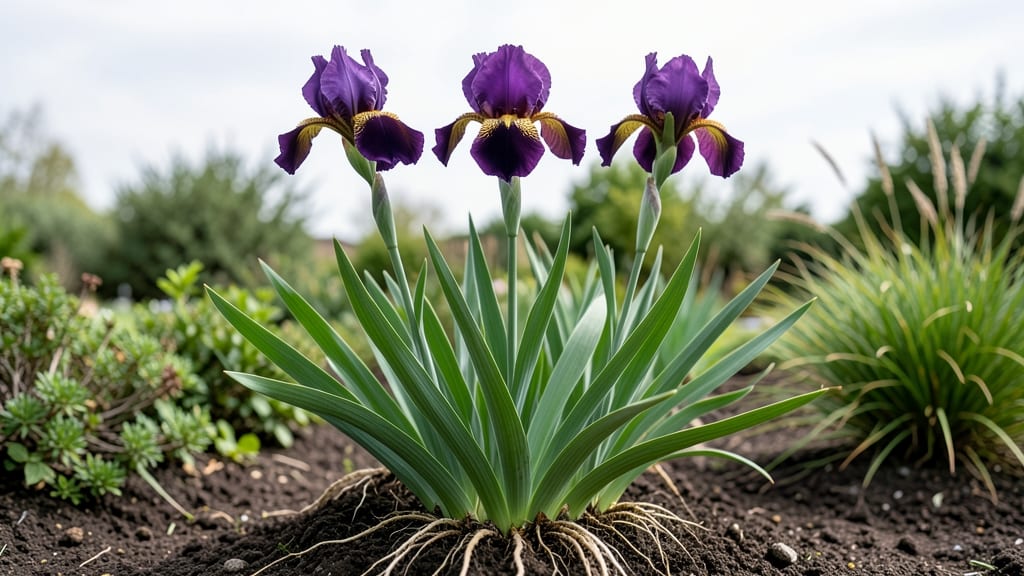
Iris do not bloom all summer—most varieties flower just once in spring or early summer, while reblooming types may produce a second, smaller bloom cycle in late summer or fall. Your choice of iris variety and consistent care directly control how often and how long they flower.
Most iris varieties follow nature's seasonal cues, storing energy in their rhizomes during winter and spring to fuel their dramatic spring bloom. 🌸 This single flush is their primary flowering period, though some reblooming cultivars like 'Florence' or 'Blue Flag' can produce a second, smaller show later in the season.
The key difference lies in their genetic programming—single-bloomers prioritize one big display, while rebloomers spread their energy more evenly across two cycles.
To encourage extended blooming, focus on three critical factors: proper fertilization (use a balanced formula in early spring and mid-summer), consistent moisture without waterlogging, and strategic deadheading. 💧 I've found that reblooming iris appreciate a light trim after their first flush to redirect energy, while single-bloomers benefit from a complete rest period after flowering.
The right variety for your climate makes all the difference—tropical iris types often bloom more prolifically than their temperate cousins.
💡 In This Article
- Why Most Iris Bloom Only Once Per Year
- How to Encourage Extended Iris Blooming
Why most iris bloom only once per year
Iris blooming cycles are governed by their rhizomes—thick, horizontal underground stems that act like natural storage batteries. During winter, these rhizomes accumulate carbohydrates through photosynthesis in their narrow leaves, storing energy for spring's dramatic flower display.
This stored energy triggers the plant's primary blooming period, typically between late April and June in temperate climates, when daylight length and warming temperatures create the perfect hormonal signal for flowering.
The single-bloom pattern isn't just about energy conservation—it's an evolutionary adaptation.
Most iris species evolved in regions with distinct seasons, where one spectacular spring display maximizes pollinator attraction while minimizing the plant's energy expenditure. 🌿 For example, the iconic bearded iris varieties like 'Blue Flag' or 'Purple Emperor' devote nearly all their stored energy to that one 2-3 week bloom period, producing stems that can reach 2-3 feet tall with 3-6 flowers each.
Reblooming cultivars, on the other hand, have been selectively bred to spread their energy more evenly, often at the cost of slightly smaller or less numerous flowers in their second flush.
Daylight plays a crucial role in this cycle. Iris are long-day plants, meaning they respond to increasing daylight hours in spring. The plant's circadian rhythms trigger the production of florigen—a flowering hormone—that only reaches sufficient levels when days exceed 14 hours of light.
This explains why iris rarely bloom in winter or early spring, even in warm climates. The second bloom cycle in reblooming varieties typically occurs when daylight begins decreasing again in late summer, though the flowers are usually 25-50% smaller than the spring display due to energy limitations.
Dormancy is another key factor. After their primary bloom, most iris enter a semi-dormant state where they focus on replenishing their rhizome reserves. This rest period is essential—if you force an iris to bloom a second time without proper recovery, you'll notice stunted growth and weaker stems in subsequent seasons.
Some gardeners mistakenly assume reblooming iris can flower continuously, but even these varieties need a 6-8 week rest period between their two bloom cycles to maintain vigor.
There's a fascinating biological trade-off here: the more frequently an iris blooms, the smaller and less robust each individual flower tends to be. For instance, the 'Florence' iris, a popular rebloomer, might produce 10-12 flowers in its first flush but only 4-6 in its fall rebloom.
This isn't just about energy—it's also about resource allocation between flower production and rhizome maintenance. The plant must balance its reproductive efforts with its need to store energy for next year's growth.
Climate plays a surprising role too. In warmer regions, some iris varieties may attempt a third bloom cycle, but these are typically abortive (buds that don't fully open) due to insufficient energy reserves.
The USDA hardiness zones 3-9 provide ideal conditions for most iris, but those in zone 10 or higher often see more frequent but less dramatic blooming patterns.
This is why gardeners in California or Florida might see their iris produce multiple small flushes throughout the year, while those in New England get just one spectacular spring show.