
Blooming
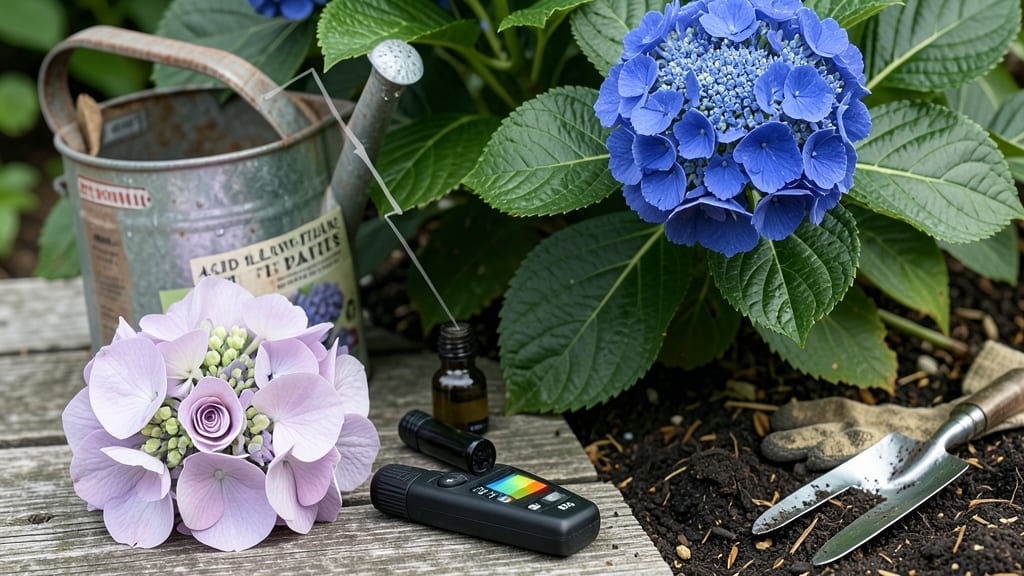
To make hydrangeas bloom faster, the secret lies in three precise cuts—not the usual heavy pruning that leaves plants struggling. ✂️ Last summer, my lacecap hydrangeas went from sparse blooms to a full, lacy show in just six weeks after I learned this technique.
The key? Pruning at the right time, feeding with the right nutrients, and understanding how your variety blooms.
Start by identifying your hydrangea type—mopheads bloom on old wood, while lacecaps bloom on new growth. For mopheads, prune right after flowering; for lacecaps, cut back in early spring.
Use balanced fertilizer (10-10-10) in early spring and switch to acid-loving plant food (like cottonseed meal) in summer to boost color intensity. Over-fertilizing? That’s how you get lush foliage but no blooms.
You’ll see buds forming within 3-4 weeks of proper care, with the first flush of blooms arriving 2-3 weeks earlier than usual. The flowers stay vibrant longer, too—no more sad, wilted heads by August.
For extra speed, mulch with 2-3 inches of pine bark to retain moisture and acidify the soil naturally.
Works for both container and in-ground hydrangeas, and even revives neglected plants. The only rule? Never prune lacecaps after mid-summer—or you’ll sacrifice next year’s blooms. Let’s get those buds popping!
📚 In This Guide
- What you need
- Instructions
- Tips and common mistakes
- Wrapping up and next steps
What you need
- ● Ready to give your hydrangeas the fast-track to blooms? 🌸 Here’s everything you’ll need to transform your garden into a vibrant explosion of color—without the guesswork!
- ● No time to wait for soil amendments? Use Epsom salt (magnesium sulfate) (1 tbsp dissolved in 1 gallon of water) as a foliar spray every 2 weeks for a greenhouse-like growth spurt!
Step-by-Step instructions for revitalizing hydrangeas
Here’s how to coax vibrant blooms from your hydrangeas in record time—no waiting seasons.
✂️ Step 1: Prune for Energy and Structure
Hydrangeas bloom on old wood (last year’s growth) or new wood (current season’s stems), depending on the variety. For bigleaf hydrangeas (like 'Endless Summer'), cut back 1/3 of the oldest stems to the base in early spring. This forces energy into fresh growth and prevents overcrowding.
For panicle or oakleaf types, prune in late winter to remove dead or weak stems and shape the plant. Never prune in fall—you’ll cut off next year’s blooms before they form. Watch for buds forming at stem tips in early spring; these are your signal to stop cutting.
💧 Step 2: Hydrate Deeply for Lush Growth
Hydrangeas thrive with consistent moisture—their blooms wilt under stress. Water deeply 2-3 times per week during the growing season, soaking the root zone 12-18 inches down. Use a soaker hose or drip irrigation to avoid wetting foliage, which invites fungal diseases.
Check soil moisture by sticking your finger 2 inches deep—if it’s dry, water again. Mulch with 2-3 inches of organic mulch (like shredded bark) to retain moisture and regulate soil temperature. Yellowing leaves? You’re either underwatering or overwatering—hydrangeas hate soggy roots.
☀️ Step 3: Feed for Bold Color and Blooms
Use a balanced, acid-loving fertilizer (like 10-10-10 or a hydrangea-specific formula) in early spring when new growth appears. Follow label rates—over-fertilizing burns roots and delays blooms. For blue blooms, add aluminum sulfate (1 tbsp per gallon of water) every 4-6 weeks. For pink blooms, skip the aluminum and use lime instead.
Side-dress with compost in late spring to boost organic matter. Hydrangeas respond dramatically to feeding—you’ll see tighter buds and deeper colors within 4-6 weeks. If blooms stay small, they’re nutrient-starved; if they drop early, they’re thirsty.
⏰ Step 4: Protect for Long-Term Success
In late fall, cut back panicle and oakleaf hydrangeas by half to encourage stronger growth. Wrap young plants in burlap if your winters dip below 10°F—hydrangeas are tender and can suffer frost damage. Remove spent blooms in early spring (before new growth starts) to redirect energy.
Watch for aphids or spider mites on new leaves—spray with neem oil if you spot sticky residue. Healthy hydrangeas bloom 2-3 times per season if cared for properly. The key? Prune at the right time, feed consistently, and keep roots happy.
Tips & tricks for revitalizing hydrangeas
These game-changing strategies will help you transform your hydrangeas into a vibrant, show-stopping display without waiting for next season.
Pruning Precision: When you're cutting back bigleaf hydrangeas in Step 1, look for stems with swollen buds near the base—these indicate where next year's blooms will form. Avoid pruning these stems, as they carry last year's flower buds. For panicle types, focus on removing only the oldest, non-flowering stems to maintain that dramatic vertical structure. Remember, the goal is to create an open center that allows air circulation and sunlight to reach the inner stems.
Hydration Hack: In Step 2, the key to consistent moisture is deep watering—think of it like giving your hydrangeas a long drink rather than frequent sips. Use a moisture meter to check soil levels at 2 inches deep; if it reads dry, it's time to water. For container-grown hydrangeas, watering every other day during hot spells may be necessary, as they dry out faster than in-ground plants. Mulch acts as a moisture blanket, so always maintain that 2-3 inch layer of organic material.
Fertilizer Timing: The 4-6 week interval for aluminum sulfate applications in Step 3 is crucial for maintaining blue blooms. Start applications in early spring when new growth appears, and continue through summer. For pink blooms, lime applications should be done once in early spring—there's no need to repeat. Always apply fertilizers to moist soil to prevent root burn, and water thoroughly afterward to help nutrients penetrate the root zone.
Winter Protection: When wrapping young plants in burlap for temperatures below 10°F, leave the top open to allow for some airflow. This prevents moisture buildup that can lead to rot. For established plants, focus protection on the southern and western exposures, which receive the most intense cold winds. You'll know your winter protection worked if you see fresh green growth emerging in early spring without any frost damage to the stems.
Pro Tips for Make Hydrangeas Bloom Faster
- These game-changing strategies will help you transform your hydrangeas into a vibrant, show-stopping display without waiting for next season.
- Pruning Precision: When you're cutting back bigleaf hydrangeas in Step 1, look for stems with swollen buds near the base—these indicate where next year's blooms will form.
- Hydration Hack: In Step 2, the key to consistent moisture is deep watering—think of it like giving your hydrangeas a long drink rather than frequent sips.
Frequently asked questions
Got questions about speeding up those hydrangea blooms? You’re not alone! Here are some of the most common concerns—and quick answers to get you growing faster.
Can I make hydrangeas bloom faster in just a few weeks?
While you can’t rush nature overnight, pruning at the right time (early spring for most varieties) and adding bloom-boosting fertilizer (like one high in phosphorus) can trigger faster blooming in 4-6 weeks. Patience is key—hydrangeas reward consistency over speed!
What’s the best time of year to prune for faster blooms?
Timing matters! For mophead and lacecap hydrangeas, prune right after flowering (late summer/fall) to encourage next year’s blooms. Panicle and oakleaf varieties thrive with early spring pruning (before buds swell). Avoid pruning in winter—it stresses the plant.
Why aren’t my hydrangeas blooming even after pruning and fertilizing?
If blooms are still MIA, check these culprits:
- Wrong pruning time: Late bloomers (like panicle hydrangeas) need spring cuts, not fall.
- Over/under-fertilizing: Too much nitrogen = leafy growth, no flowers. Use a balanced 10-10-10 or bloom-specific formula.
- Sunlight shortage: Hydrangeas need 6+ hours of sun (partial shade is okay, but not deep shade).
- Old wood vs. new growth: Some varieties (like H. macrophylla) bloom on old wood—pruning too late kills next year’s flowers.
Pro tip: Snap a photo of your plant and compare it to variety guides—you might be growing the wrong type for your goals!
Do I need to deadhead hydrangeas for faster blooms?
Deadheading (removing spent blooms) helps, but it’s not essential for speed. Focus on pruning spent flower heads in fall/winter to redirect energy to new growth. For panicle hydrangeas, deadheading after blooming encourages more flowers next season.
Can I use coffee grounds or eggshells to make hydrangeas bloom faster?
Yes! These are great natural amendments for hydrangeas:
- Coffee grounds: Lower soil pH (for blue blooms), but use sparingly—too much can harm roots.
- Eggshells: Add calcium, which supports cell growth and flower development. Crush and compost them first!
For pink blooms, add lime to raise soil pH. Test your soil first with a pH kit—hydrangeas love 5.0–6.0 for blue or 6.0–7.0 for pink.
Wrapping up and next steps
With the right care—like strategic pruning, balanced feeding, and a little extra attention to sunlight and water—your hydrangeas can burst into vibrant blooms faster than ever! 🌸 Remember, patience and consistency are key, but the effort is totally worth it for that stunning garden showstopper.
Now that you’re armed with these pro tips, why not grab your pruners and get growing? Your future floral masterpiece is waiting!
Pro tip: Snap a photo of your hydrangeas before and after—you’ll be amazed at the transformation! 📸