
Blooming
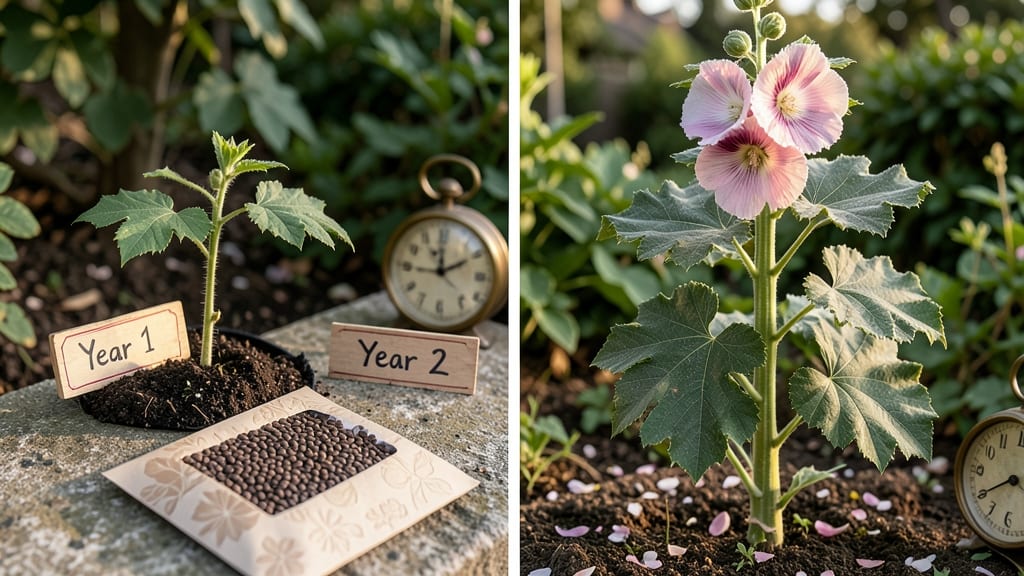
Hollyhocks do not typically bloom the first year after planting, as they prioritize root development and leaf growth. Most varieties need 12–18 months to produce their iconic flower stalks, though biennial types may flower sooner with ideal care.
This delayed flowering makes sense when you consider how hollyhocks allocate their energy. 🌱 In their first season, they focus on building a strong root system and sturdy stems—think of it like a plant version of saving for retirement. The good news?
Well-established hollyhocks reward patience with dramatic vertical blooms that can reach heights of 5–7 feet. For gardeners eager to see flowers sooner, choosing fast-maturing varieties like 'Black Night' or providing rich, well-draining soil can help nudge that timeline forward by a few months.
What's interesting is how this growth pattern differs between biennials and perennials. Biennial types often bloom in their second year, while perennial hollyhocks may take even longer to reach full flowering potential.
The key is consistency—regular watering and full sun exposure help create the conditions these plants need to shift their energy from roots to blooms.
💡 In This Article
- Hollyhock Growth Stages: Why First-Year Blooms Are Rare
- Encouraging Early Hollyhock Blooms: Proven Gardening Strategies
Hollyhock growth stages: why first-year blooms are rare
Hollyhocks (Alcea rosea) follow a classic biennial growth pattern where the first year is all about building structural foundations. During this phase, up to 80% of the plant's energy goes into developing a deep, fibrous root system that can extend 3-4 feet below the soil surface.
This extensive root network allows the plant to anchor firmly and access nutrients efficiently, which is critical for supporting those towering 5-7 foot flower stalks in subsequent years. 🌱 The plant's leaves, which can grow up to 3 feet long, also play a role in photosynthesis, storing energy for future blooms.
The botanical reason behind this delayed flowering lies in the plant's survival strategy. Hollyhocks allocate resources based on what's called "source-sink dynamics"—where leaves (the source) produce sugars through photosynthesis, and roots or flowers (the sinks) consume them.
In the first year, roots act as the primary sink, while flowers remain dormant. This pattern is similar to other biennials like foxgloves or carrots, which also prioritize root development before flowering. The transition to flowering only occurs when the plant senses sufficient stored energy and favorable environmental conditions.
Environmental factors play a crucial role in this timeline. Hollyhocks thrive in full sun (6-8 hours daily) and well-draining soil with a pH between 6.0-7.5. When these conditions aren't met, the plant may delay flowering even longer as it focuses on adapting to stress.
For example, in cooler climates, hollyhocks might take 18-24 months to bloom compared to 12-15 months in warmer regions. The plant's native habitat in Mediterranean climates explains why they prefer these conditions—it mimics their natural growing environment where summers are hot and dry.
Another key factor is how you introduce hollyhocks to your garden. Plants grown from seed typically bloom later than those established from transplants because seedlings must first develop a robust root system before flowering.
Transplanted hollyhocks, which already have an established root ball, may begin flowering in their first year if they're mature enough—though this is still uncommon.
The difference in timing can be as much as 6-12 months between seed-grown and transplanted specimens, with transplants having a slight edge in terms of early blooming potential.
What most gardeners don't realize is how hollyhocks communicate internally about when to bloom. The plant uses a process called "vernalization," where it detects cold temperatures (typically 40-50°F for several weeks) as a signal that winter has passed and it's safe to shift energy toward flowering.
This is why hollyhocks planted in late summer or early fall may bloom earlier than those planted in spring—they've already experienced some of the required cold period. Understanding this mechanism helps explain why some gardeners see sporadic first-year blooms on biennial types, even if it's not the norm.
For those eager to see hollyhocks in bloom sooner, choosing fast-maturing varieties like 'Black Night' or 'Chater's Double' can help. These hybrids have been selectively bred to prioritize flowering slightly earlier in their lifecycle, though they still follow the same basic growth pattern.
The key takeaway is that patience pays off—hollyhocks that establish strong roots in their first year will produce more abundant and longer-lasting blooms in subsequent seasons. 🌸