
Blooming
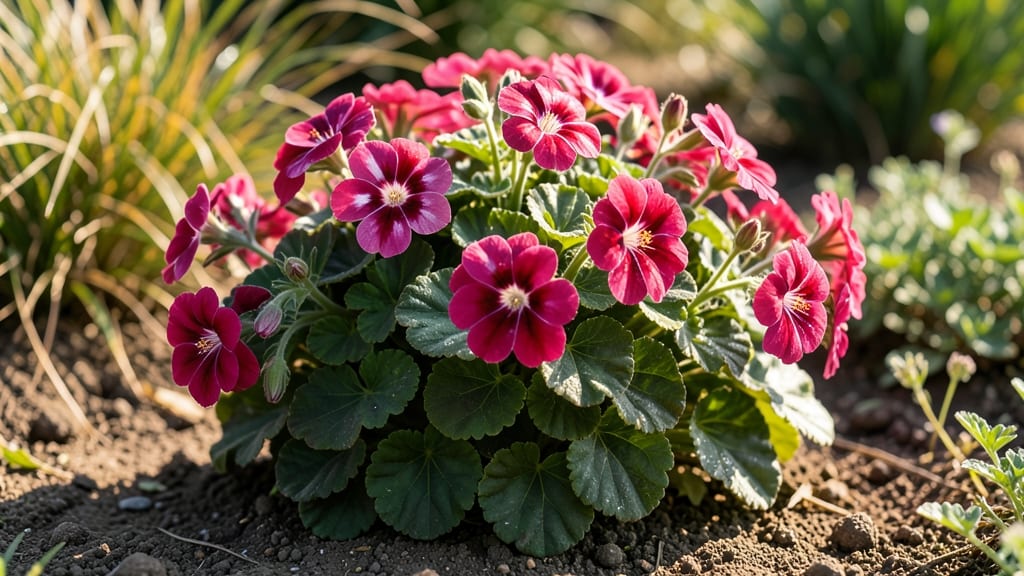
Geraniums can bloom all summer long when given the right conditions, but their flowering depends heavily on the specific type, proper care, and regular deadheading. Zonal geraniums often produce continuous blooms, while ivy varieties may require pruning to maintain their flower production. Keeping them in bright sunlight and well-watered helps sustain their vibrant display throughout the season.
Geraniums are summer's workhorses, but not all varieties perform equally. Zonal geraniums are the superstars of continuous blooming, producing flowers from early summer until frost if you stay on top of deadheading. 🌸 The key difference lies in their growth habits—Ivy geraniums, for example, focus more energy on trailing vines than repeat blooming, which is why they often need pruning to redirect that energy.
What's fascinating is how these plants allocate their energy: when you remove spent blooms, the plant redirects its resources to producing new flowers instead of seeds.
Your location plays a bigger role than you might think. In USDA zones 8-10, geraniums often bloom nearly year-round with minimal care, while in cooler zones, they may need winter protection to bounce back strong in spring.
I've seen gardeners in zone 5 extend summer blooms by bringing potted geraniums indoors before the first frost—just give them a bright windowsill and they'll keep flowering for weeks.
💡 In This Article
- Why Some Geranium Varieties Bloom Longer Than Others
- Deadheading Geraniums for Nonstop Summer Blooms
Why some geranium varieties bloom longer than others
Geraniums aren't all created equal when it comes to summer blooming. The key difference lies in their botanical structure: zonal geraniums (Pelargonium x hortorum) are bred specifically for prolific, continuous flowering.
Their growth habit focuses energy on producing new blooms rather than seeds or foliage. 🌸 Under ideal conditions, these varieties can produce 100-200 flowers per plant during peak season, thanks to their compact, bushy structure that maximizes sunlight exposure for each flower bud.
The science behind this involves photosynthesis efficiency. Zonal geraniums have a higher leaf-to-flower ratio, meaning their leaves capture more sunlight and convert it into energy for flower production.
Ivy geraniums (Pelargonium peltatum), on the other hand, prioritize vine growth over blooming—their natural tendency is to trail and spread, which diverts energy away from continuous flowering.
This is why ivy types often need regular pruning every 4-6 weeks to maintain their bloom cycles, while zonal varieties can go longer between deadheadings.
Climate plays a surprising role in bloom duration. In USDA zones 9-11, geraniums often bloom nearly year-round because the mild winters prevent dormancy.
But in cooler zones (5-7), these plants enter a semi-dormant state in winter, which means they need 6-8 weeks of warm temperatures above 60°F to restart vigorous flowering.
I've noticed that geraniums in zone 6 gardens typically have a 2-3 week delay in spring blooming compared to zone 9 gardens, even with identical care.
Don't overlook the role of scent in some varieties. Scented geraniums (like 'Rose' or 'Lemon Fancy') often bloom less prolifically because their energy goes into producing aromatic oils in the leaves rather than flowers.
The trade-off is that their foliage becomes the star—crushing a leaf releases a citrus or floral fragrance that can be 10x stronger than the scent from the flowers themselves. This energy allocation explains why scented varieties might produce 30-50% fewer blooms than their non-scented counterparts.
Light quality matters too. Geraniums need 6-8 hours of direct sunlight daily for optimal flowering, but too much intense midday sun (especially in desert climates) can cause leaf burn. The ideal light spectrum for geraniums includes blue and red wavelengths (400-500nm and 600-700nm), which trigger photosynthesis and flower production.
In shadier conditions, you'll often see geraniums producing more foliage and fewer blooms—a clear sign the plant is prioritizing survival over reproduction.