
Blooming
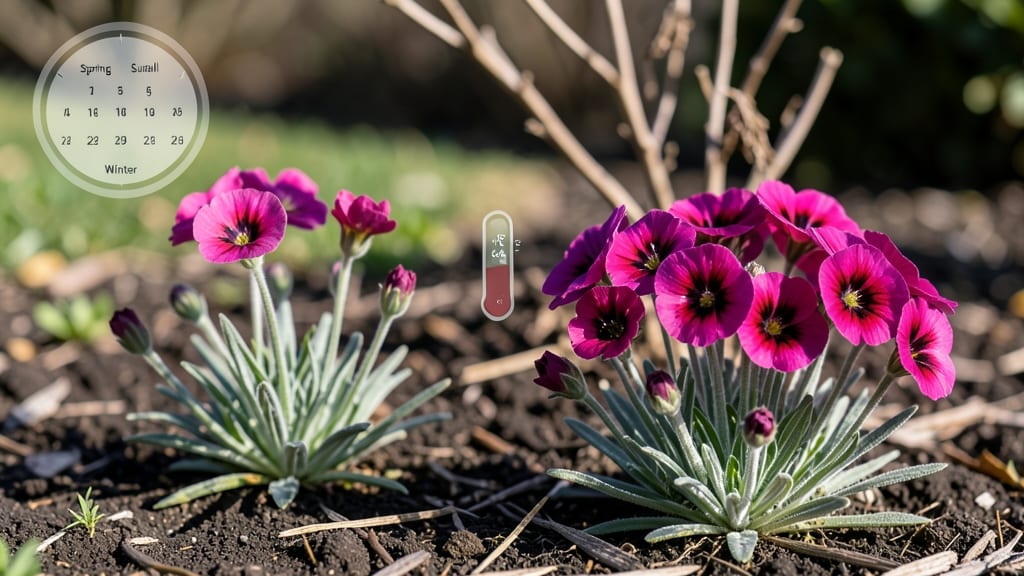
Dianthus do not bloom all year—their flowering depends on variety, climate, and care. Most types produce vibrant blooms in spring and summer, with some reblooming in fall if deadheaded regularly, while others bloom only once per season.
Dianthus plants follow seasonal rhythms that align with their natural growing cycles, much like many garden perennials. 🌸 The timing of blooms varies dramatically between species—some, like the popular Sweet William (Dianthus barbatus), thrive in cool weather and bloom prolifically in spring, while others, such as the carnation (Dianthus caryophyllus), prefer warmer months.
Even within the same variety, climate plays a huge role: northern gardeners may see extended fall blooms where southern growers might experience heat-induced dormancy.
What sets dianthus apart is their ability to rebloom under the right conditions. Unlike annuals that fade after one season, many perennial dianthus varieties respond well to proper deadheading and seasonal pruning.
For example, the Pink Chintz strain often rewards gardeners with a second flush of flowers if you remove spent blooms consistently. The key is understanding your specific variety's needs—some, like the hardy cushion dianthus, can even surprise you with late-season color if given adequate winter protection.
💡 In This Article
- Dianthus Flowering Seasons by Variety
- Tips to Extend Dianthus Blooms Beyond Their Natural Season
Dianthus flowering seasons by variety
The flowering patterns of dianthus vary dramatically between species, with some thriving in cool seasons while others peak in heat. Sweet William (Dianthus barbatus), a popular biennial, typically blooms in late spring to early summer, producing clusters of fragrant flowers that last 4-6 weeks if deadheaded.
Its cousin, the China Pink (Dianthus chinensis), follows a similar spring-summer cycle but often extends into early fall in cooler climates like USDA Zone 5.
Contrast this with carnations (Dianthus caryophyllus), which prefer warmer temperatures and bloom from late spring through summer, sometimes reblooming in fall if given proper care.
The everlasting dianthus (Dianthus gratianopolitanus) stands out as an exception—it blooms intermittently from spring through fall, earning its name by retaining dried flowers that last months. This variety thrives in USDA Zones 6-10, where it can produce 3-5 bloom cycles per year with minimal intervention.
Climate plays a crucial role in bloom timing. In USDA Zone 8+, dianthus may experience heat stress during summer, causing flowers to wilt prematurely. Conversely, in Zone 4-5, cooler summers can extend the blooming season into early fall.
The cushion dianthus varieties, like 'Firewitch', often bloom from late spring to early summer but can surprise gardeners with a second, smaller flush in late summer if given consistent moisture.
Light exposure also influences flowering. Most dianthus varieties require full sun (6-8 hours daily) to produce abundant blooms, but some, like the wallflower dianthus (Dianthus armeria), tolerate partial shade and bloom from early spring to early summer.
The scent of dianthus flowers—often described as sweet and clove-like—peaks during morning hours, making early blooms particularly fragrant for pollinators and gardeners alike.
For gardeners in USDA Zone 7 and below, winter dormancy affects bloom cycles. Perennial dianthus, such as 'Firewitch', may enter a rest period but often produce earlier and more vigorous blooms the following spring.
The contrast between spring's delicate pink blooms and summer's deep magenta varieties creates a dynamic seasonal display that many gardeners eagerly anticipate.
Understanding these patterns helps you select varieties that align with your climate and desired bloom times. For example, pairing Sweet William (spring) with everlasting dianthus (summer-fall) ensures continuous color throughout the growing season. 🌸