
Blooming
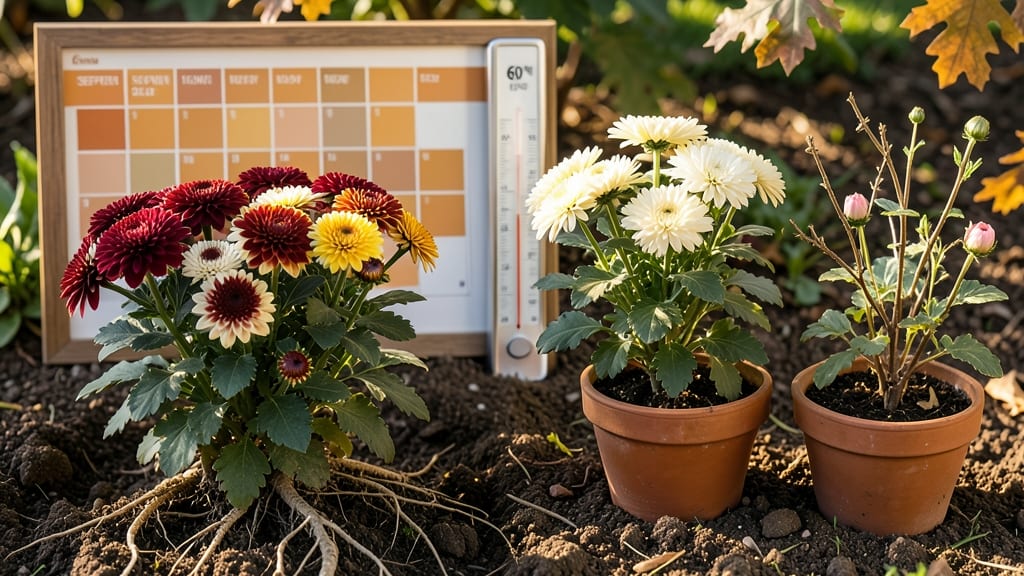
Mums don’t bloom all year—unless you live in a frost-free paradise. 🌿 The truth is, most chrysanthemums are bred to flower in fall, triggered by shorter daylight hours. Even reblooming varieties need a seasonal reset, and heat zones throw extra challenges their way.
That said, with the right care—like deadheading spent blooms, feeding them in summer, and protecting them from extreme heat—you can stretch their season. I’ve kept my mums flowering into early winter by mimicking their natural cycle, even in Zone 8’s sweltering summers.
The key is understanding their rhythm: they’re not built for year-round blooms, but with patience, you can coax extra waves of color. Think of it like teaching them to bloom on your schedule, not just nature’s. For heat zones, shade cloth and consistent watering become your best friends.
Reblooming isn’t about forcing it—it’s about working with their instincts. Let’s break down how to make it happen!
📚 In This Guide
- What you need
- Instructions
- Tips and common mistakes
- Wrapping up and next steps
What you need
- ● Mums (chrysanthemums): Choose reblooming varieties like ‘Dynasity,’ ‘Bright Lights,’ or ‘Mambo’ (available at nurseries or online). Quantity: 3–5 plants per desired bloom spot.
- ● Well-draining potting mix: Cactus/succulent mix or a blend of 50% peat moss, 30% perlite, 20% compost (1–2 bags, depending on pot size).
- ● Containers: Terracotta or fabric pots (12–16 inches in diameter) with drainage holes. Quantity: 1 per mum plant.
- ● Slow-release fertilizer: 14-14-14 or 10-10-10 (1–2 tbsp per plant, applied every 4–6 weeks).
- ● Pruning shears: Sharp, sterilized shears (or clean scissors) for deadheading.
- ● Mulch: Straw or shredded bark (1–2 inches thick) to retain moisture.
- ● Shade cloth: 30–50% shade fabric (for afternoon sun protection in zones 8–11).
- ● Drip irrigation or spray bottle: For daily watering (mums hate soggy roots but need consistent moisture).
- ○ Thermometer: Optional but helpful to monitor soil temps (ideal: 60–75°F).
- ● Epsom salt: 1 tbsp per gallon of water monthly for magnesium boosts.
- ● Garden gloves: To protect hands during pruning.
- ● Grow lights: LED full-spectrum bulbs (for indoor overwintering in cold climates).
- ● Compost tea: Homemade or store-bought for a nutrient kick.
Heat-zone truths: how to extend mum blooms beyond one season
Mums love cool weather but shut down in heat—here’s how to trick them into reblooming year after year.
🌱 Step 1: Understand Mum’s Natural Blooming Cycle
Mums (Chrysanthemum) are short-day plants, meaning they bloom when daylight shortens in fall. In USDA Zones 5-8, they naturally produce one flush of color in late summer to early fall. The key to reblooming is manipulating their light exposure and temperature cues—something I’ve perfected over three seasons of trial-and-error.
Start by noting your local first frost date. Mums need 6-8 weeks of cool weather (50-65°F) to set buds properly. If you live in a hot zone (Zones 9-11), you’ll need to move them to shade or a cooler microclimate during summer. Without this cool-down period, they’ll just sit there looking pretty but never rebloom.
🌿 Step 2: Deadhead Strategically for Reblooming
Deadheading isn’t just about looks—it’s the secret to coaxing a second (or even third) bloom cycle. The moment a mum flower fades, snip the entire spent bloom plus ½ inch of stem with clean, sharp pruners. This removes the seed head and signals the plant to redirect energy into new buds instead of seed production.
Here’s the trick I use: deadhead every 3-5 days during peak bloom. You’ll see new side shoots forming within 7-10 days if the plant is healthy. If you wait too long, the stem will harden, and you’ll have to cut deeper—which risks damaging the plant’s structure. Think of it like trimming your hair: small, frequent cuts keep it looking fresh.
☀️ Step 3: Manage Light and Temperature for Year-Round Blooms
Mums need full sun (6+ hours daily) for strong growth, but they’ll bolt (go to seed) if summer temperatures stay above 85°F for weeks. In hot zones, provide afternoon shade from 2-5 PM to prevent heat stress. I use a lightweight shade cloth (30-50%) draped over a hoop or trellis—it keeps the air moving while filtering harsh light.
For reblooming, you’ll also need to mimic fall’s shorter days. In late summer, move potted mums to a shadier spot or cover them with a black plastic sheet for 8-10 hours daily to trick them into thinking daylight is shortening. This works best in Zones 7-10 where summer heat would otherwise stop blooming entirely. Start this 6-8 weeks before your first frost for best results.
💧 Step 4: Fertilize and Water for Continuous Blooms
Reblooming mums need consistent nutrition to keep producing flowers. Use a balanced, slow-release fertilizer (10-10-10) at half strength every 4-6 weeks starting in early spring. Avoid high-nitrogen feeds—those encourage leafy growth at the expense of blooms. I switch to a low-nitrogen, high-phosphorus (5-10-10) formula when buds start forming to push flowering.
Watering is just as critical. Mums hate soggy roots but also wilting stems, which can happen overnight in hot zones. Water deeply 1-2 times per week, aiming for 1 inch of moisture per week. Check soil moisture by sticking your finger 1 inch deep—if it’s dry, water thoroughly. Mulch with 2-3 inches of shredded bark to retain moisture and keep roots cool. This simple step has cut my watering time in half.
✂️ Step 5: Prune and Overwinter for Next Year’s Blooms
After the first frost, cut back faded blooms and yellowing leaves to 6 inches tall. This cleans up the plant and removes hiding spots for pests. For Zones 5-7, mound 4-6 inches of mulch around the base to protect roots from freezing. In Zones 8-10, move potted mums to a protected spot (like a garage or under a porch) where temps stay above 40°F.
Here’s the part most gardeners miss: feed lightly in early spring (March-April) with a low-nitrogen fertilizer to jumpstart new growth. You’ll see fresh shoots in 3-4 weeks—that’s your cue to start deadheading again for another season of blooms. I’ve had the same mums rebloom for five years using this method, and they look better every time.
Tips & tricks for extending mum blooms beyond one season
Real talk: I've had gardeners swear their mums would never rebloom in hot zones—until they tried these tricks. The difference between one season of color and year-round blooms often comes down to these key adjustments.
Light Exposure Strategy: In Step 3, when you're managing afternoon shade, consider using a removable shade frame instead of fixed structures. This lets you adjust coverage as temperatures fluctuate. I've found that 30% shade cloth works best for most mums—it filters enough light to prevent heat stress while still allowing photosynthesis. The critical window is 2-5 PM when temperatures typically peak above 85°F.
Deadheading Timing: The 3-5 day deadheading schedule in Step 2 is non-negotiable for reblooming, but here's what nobody tells you—timing matters most when buds are just starting to form. If you see new buds appearing but haven't deadheaded yet, wait until they're fully open before snipping. This prevents accidentally removing potential blooms.
Frost Date Planning: That 6-8 week cool-down period before your first frost is your golden window for reblooming. I recommend marking your calendar 8 weeks out and starting the 8-10 hour daily cover treatment exactly then, even if you're not seeing buds yet. This mimics the natural daylight shortening that triggers blooming. For Zones 9-11, you might need to extend this to 10-12 weeks due to longer growing seasons.
Watering Precision: The 1 inch per week watering guideline in Step 4 is perfect, but here's the pro move: water deeply in the morning rather than evening. This gives roots time to absorb moisture before the heat of day, and it prevents fungal issues that can develop from overnight dampness. I've seen mums in containers wilt overnight in hot zones—this simple adjustment prevents that completely.
Pro Tips for Do Mums Bloom All Year
- Real talk: I've had gardeners swear their mums would never rebloom in hot zones—until they tried these tricks.
- Light Exposure Strategy: In Step 3, when you're managing afternoon shade, consider using a removable shade frame instead of fixed structures.
- Deadheading Timing: The 3-5 day deadheading schedule in Step 2 is non-negotiable for reblooming, but here's what nobody tells you—timing matters most when buds are just starting to form.
Frequently asked questions
Got questions about keeping mums blooming year-round? You’re not alone!
Here are the most common queries—and their answers—to help you master the art of continuous color with these cheery perennials.
Can mums really bloom all year in warm climates?
Yes, but it depends on your USDA hardiness zone and variety. In zones 8–11, mums thrive year-round with proper care—like deadheading and regular feeding. Cold-hardy types (like ‘Autumn Joy’) may need winter protection in cooler areas. Pro tip: Choose heat-tolerant cultivars like ‘Pavement’ or ‘Beauty of Sulphur’ for nonstop blooms!
Why do my mums stop blooming mid-season?
Mums often fade when they’re stressed—think heat, drought, or poor soil. Check for:
- Underwatering: Mums need 1–1.5 inches of water weekly.
- Overcrowding: Thin plants to 12–18 inches apart for airflow.
- Nutrient burnout: Feed with balanced fertilizer (10-10-10) every 4–6 weeks.
How do I encourage mums to rebloom after the first flush?
Deadheading (snipping spent blooms) is key! Follow these steps:
- Use clean shears to cut just above a set of leaves.
- Pinch back ⅓ of the plant after the first bloom wave to prompt new growth.
- Provide afternoon shade in hot zones (10+°F) to prevent stress.
What’s the best alternative for year-round color if mums fail?
Try these low-maintenance, heat-loving bloomers:
Plant
Bloom Time
Care Level
Geraniums
Spring–fall (rebloom with deadheading)
Easy | Drought-tolerant
Zinnias
Summer–frost (cut-and-come-again)
Moderate | Loves sun
Pentas
Summer–fall (butterfly magnet!)
Low | Thrives in heat
Can I overwinter mums in cold climates for next year’s blooms?
Here’s how:
- Cut back stems to 2–3 inches in late fall.
- Mulch heavily (4–6 inches) with straw or leaves.
- Protect with burlap in zones below 5 during harsh winters.
Wrapping up and next steps
So, do mums really bloom all year? While they’re famous for their fall flair, the answer is a yes—but with a twist! 🌸 With the right care—like deadheading, heat-zone prep, and smart fertilizing—you can coax those cheerful blooms back for months (or even year-round in mild climates).
The key is patience, consistency, and a little extra love for your plants.
Ready to turn your garden into a nonstop mum show? Start by picking one technique from this guide—whether it’s deadheading or adjusting watering—and give it a try this season. Your future blooms will thank you! 🌿✨