
Blooming
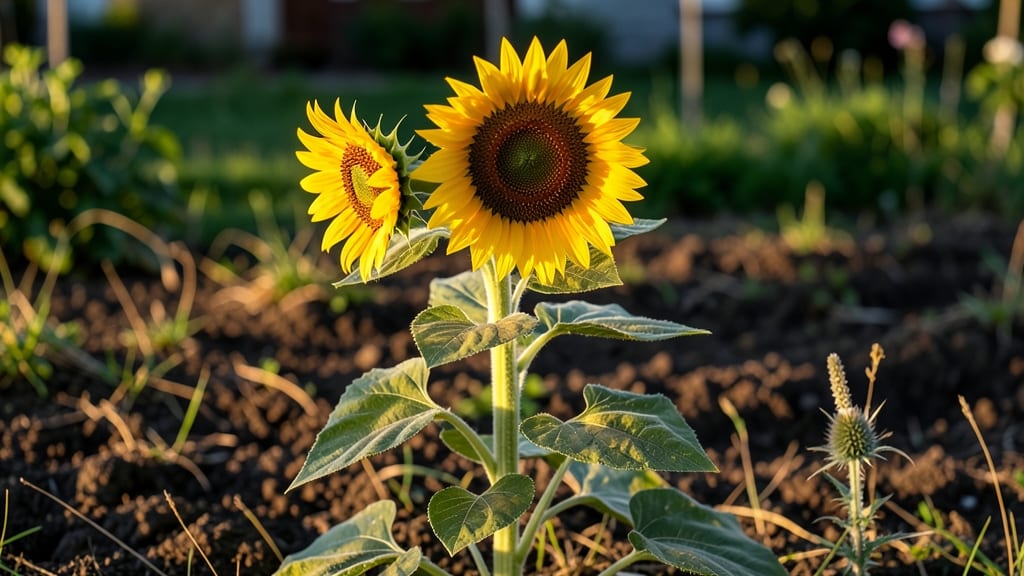
Growing multiple bloom sunflowers that keep flowering again and again feels like magic. 🌻 These reblooming varieties defy the "one-and-done" rule, giving you months of sunflower joy instead of just one summer show.
The secret lies in choosing the right types—like 'Autumn Beauty' or 'Moulin Rouge'—and giving them exactly what they need to keep flowering. You'll need full sun (at least 6 hours daily), well-draining soil, and regular deadheading to encourage new blooms.
Most gardeners skip this step, which is why their sunflowers quit after one flower. But with the right care, you'll get dozens of blooms per plant over several months. The payoff is worth the effort: vibrant yellows, oranges, and reds that brighten your garden from summer through fall.
Even in cooler climates, these varieties keep producing with proper protection and care. Works for containers, borders, or cut flower gardens. Here's how to make it happen without the guesswork!
📚 In This Guide
- What you need
- Instructions
- Tips and common mistakes
- Wrapping up and next steps
What you need
- ● Sunflower Seeds: Choose reblooming varieties like ‘Moulin Rouge’ or ‘Autumn Beauty’ (50+ seeds for a full display).
- ● Well-draining soil: Mix 1 part compost with 2 parts garden soil (pH 6.0–7.5).
- ● Sunflower stakes or cages: 3–4 ft tall (6–10 per plant for support).
- ● Organic fertilizer: 5-10-5 or balanced NPK (1 tbsp per plant at planting + mid-season).
- ● Watering can or hose: With a gentle spray nozzle (sunflowers hate soggy roots!).
- ● Pruning shears: Sharp, clean pair for deadheading and shaping.
- ○ Garden gloves: Protect your hands from prickly stems (optional but highly recommended!).
- ● Mulch (straw or wood chips): 2–3 inches thick to retain moisture and suppress weeds.
- ● Slow-release fertilizer tablets: For extra nutrients during regrowth phases.
- ● Plant markers: Label seeds/seedlings to track varieties and blooming cycles.
- ● Sunflower-specific fungicide: (e.g., copper spray) to prevent powdery mildew in humid climates.
- ● Grow lights (indoor starts): 12–16 hours/day for seedlings before transplanting.
How to grow reblooming sunflowers for continuous color
Here's the method I use to coax multiple blooms from sunflowers—no special tricks, just precise timing and care.
☀️ Step 1: Select the Right Variety and Plant at Peak Time
Choose a reblooming variety like 'Autumn Beauty' or 'Moulin Rouge'—these are bred to produce multiple flower heads over time. Plant seeds 4-6 weeks before your last frost date for strong early growth, or start indoors 8-10 weeks before if your growing season is short. I always direct-sow outdoors in early spring because sunflowers hate transplanting—they develop a sensitive taproot that breaks easily.
Push seeds 1 inch deep into loose, well-draining soil. Space them 6 inches apart in rows 2 feet apart to allow airflow and prevent mildew. Water gently after planting—sunflowers need consistent moisture but won’t tolerate soggy soil. You’ll see sprouts in 7-14 days, depending on your climate. If germination takes longer than two weeks, check that the soil stays 60-70°F—cooler temps slow things down.
💧 Step 2: Maintain Consistent Water and Fertility
Sunflowers need 1-1.5 inches of water weekly, but they’re drought-tolerant once established. I water deeply 2-3 times per week until the soil feels dry 2 inches down. Overwatering causes root rot, and underwatering leads to weak stems that flop under heavy blooms. Mulch around the base with 2-3 inches of straw or shredded leaves to retain moisture and suppress weeds—this keeps roots cool and prevents soil from crusting.
Feed plants with a balanced 10-10-10 fertilizer when they reach 12 inches tall, then again when the first buds form. Too much nitrogen makes them grow leaves instead of flowers, so I cut back to half-strength after the first bloom appears. Watch for yellowing lower leaves—they’re a sign of over-fertilizing or nutrient burn. If you see this, flush the soil with plain water and reduce feeding frequency.
✂️ Step 3: Deadhead and Prune for Reblooming
Here’s the secret to multiple blooms: deadhead spent flowers immediately. Once a bloom fades, cut the stem 1 inch below the flower head with clean pruners. This redirects the plant’s energy from seed production to new growth. I do this every 2-3 days during peak bloom season—consistency is key. If you wait too long, the plant will focus on seeds instead of producing more flowers.
Prune back leggy stems in early summer to encourage bushier growth. Cut 1/3 of the plant’s height just above a leaf node, and new shoots will sprout from there. This keeps the plant compact and stimulates secondary blooms. Avoid pruning after mid-August in colder climates—new growth won’t have time to harden off before frost.
🌿 Step 4: Extend the Season with Strategic Care
To keep sunflowers blooming into fall, protect them from early frosts. Cover plants with frost cloth on nights when temperatures drop below 32°F, and remove it during the day for sunlight. In warmer climates, sunflowers can rebloom until first hard frost, but in colder areas, they’ll go dormant. I’ve had ‘Autumn Beauty’ produce flowers until October in Zone 6 with this method.
Harvest seeds from the first bloom cycle to save for next year. Let a few heads mature fully, then cut them when the back turns yellow and the seeds rattle inside. Hang them upside down in a dry, dark place to cure for 2 weeks. Store seeds in a cool, dry spot—they’ll stay viable for 2-3 years. If you’re growing for cut flowers, harvest stems when the outer petals are fully open but the center is still tight. This extends vase life and encourages more blooms to form.
Tips & tricks for perfect reblooming sunflower gardens
These practical insights will help you maximize blooms and avoid common pitfalls with sunflowers that keep giving.
Variety Matters: While 'Autumn Beauty' and 'Moulin Rouge' are excellent choices, consider 'Italian White' for a striking contrast or 'ProCut' if you're growing specifically for cut flowers. The key is selecting varieties specifically bred for reblooming—standard sunflowers only produce one bloom per stem. I've found that reblooming varieties need slightly more consistent care to encourage that second flush of flowers, so choose wisely based on your climate and goals.
Soil Temperature Secret: Those 60-70°F soil temperatures in Step 1 aren't just about germination—they're the sweet spot for root development. Use a soil thermometer to monitor temperatures, especially in cooler climates. If your soil runs cooler, consider using black plastic mulch to warm the soil faster. I've seen germination times cut in half when using this simple technique during cool springs.
Watering Wisdom: The 1-1.5 inches weekly recommendation works well, but timing matters just as much. Water deeply in the morning to give foliage time to dry before evening—this prevents fungal diseases that can weaken stems and reduce blooming potential. I've noticed a significant difference in plant health when sticking to this morning watering routine during humid summers.
Deadheading Discipline: That 2-3 days between deadheadings in Step 3 is crucial, but what you do with the spent blooms matters too. Instead of tossing them, let a few mature completely to harvest seeds for next year. The energy you redirect by deadheading others will actually help those remaining blooms produce more robust seed heads. This two-pronged approach gives you both continuous color and a seed supply for future gardens.
Pro Tips for Multiple Bloom Sunflowers
- These practical insights will help you maximize blooms and avoid common pitfalls with sunflowers that keep giving.
- Variety Matters: While 'Autumn Beauty' and 'Moulin Rouge' are excellent choices, consider 'Italian White' for a striking contrast or 'ProCut' if you're growing specifically for cut flowers.
- Soil Temperature Secret: Those 60-70°F soil temperatures in Step 1 aren't just about germination—they're the sweet spot for root development.
Frequently asked questions
Got questions about keeping your sunflowers blooming all season?
Here are answers to the most common queries about multiple bloom sunflowers—from planting tips to troubleshooting—so you can enjoy year-round color with confidence!
How do I encourage multiple blooms on a single sunflower?
Deadhead spent blooms by snipping the flower head (but leave the lower leaves) to redirect energy into new growth. Choose reblooming varieties like 'Autumn Beauty' or 'Moulin Rouge'—they’re bred to produce secondary blooms. Prune leggy stems to promote bushier growth and more flowers!
When is the best time to plant for continuous blooms?
For year-round color, start with early spring plantings (after frost) and follow up with late summer sowings (6-8 weeks before your first frost). In warm climates, you can even plant in fall for winter blooms. Succession planting ensures overlapping blooms!
Can I grow multiple bloom sunflowers in containers?
Yes! Dwarf varieties like 'Teddy Bear' or 'Moulin Rouge' thrive in 5-gallon containers with well-draining soil. Place them in full sun (6+ hours/day) and fertilize every 2-3 weeks with a balanced bloom booster. Just ensure pots are large enough to support their root systems!
Why aren’t my sunflowers reblooming? Troubleshooting tips.
Check these common culprits:
- Lack of sunlight: Sunflowers need 6+ hours of direct sun daily.
- Overcrowding: Space plants 12–24 inches apart for airflow.
- Nutrient deficiency: Feed with phosphorus-rich fertilizer (like 5-10-10) at planting and mid-season.
- Pests/disease: Watch for aphids or powdery mildew—treat early with neem oil.
Are there alternatives to traditional sunflowers for reblooming?
Try these long-blooming options:
- Jerusalem artichokes: Produce edible tubers and yellow/purple blooms from summer to fall.
- Zinnias: Compact, heat-tolerant, and bloom nonstop with deadheading.
- Cosmos: Drought-resistant with pink/white flowers that rebloom all season.
- Marigolds: Pest-repellent and self-seeding for continuous color.
Wrapping up and next steps
Multiple bloom sunflowers are a game-changer for gardeners craving year-round color and joy! 🌻 With the right care—like deadheading, proper soil, and seasonal adjustments—you can enjoy their cheerful faces from spring to frost. These sunflowers aren’t just pretty; they’re low-maintenance superstars that reward patience with stunning, repeat performances.
Ready to transform your garden? Start by picking a reblooming variety and follow the steps above. Grab your pruners, get creative with companion plants, and watch your sunflowers bloom like never before! 🌟