
Blooming
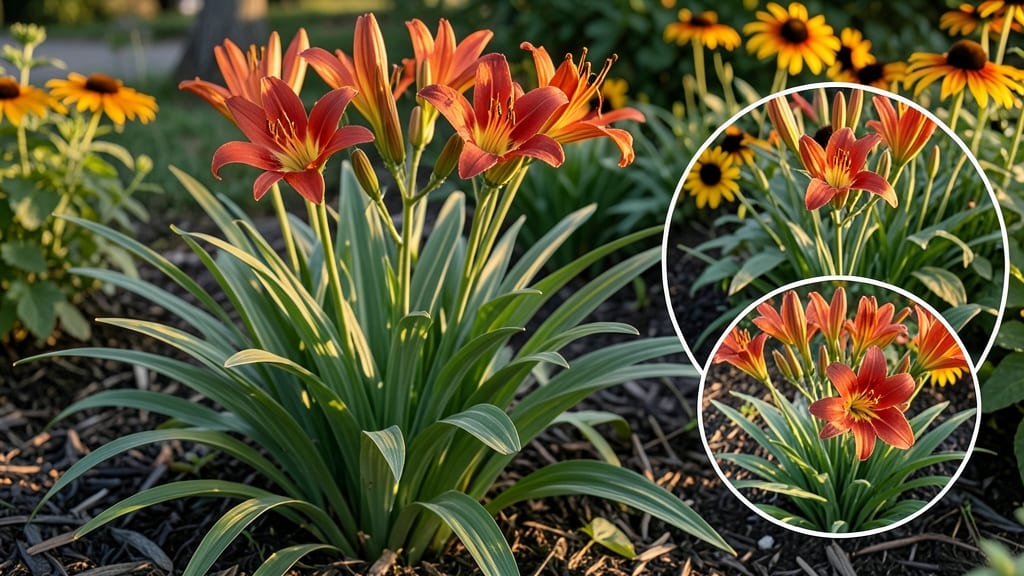
Day lilies do bloom all summer in most climates, typically producing vibrant flowers from early June through August, with some varieties extending into early fall. Their continuous flowering results from sequential bud opening on each stem, fueled by proper sunlight, soil nutrients, and consistent care.
Day lilies are summer's workhorses in the garden, thanks to their unique flowering mechanism.
Each stem (called a scape) produces buds that open one at a time over weeks, creating that signature continuous display. 🌸 The key to maximizing their summer performance lies in planting heat-tolerant varieties like 'Happy Returns' or 'Stella de Oro'—these are bred to handle the dog days of July and August without skipping a beat.
What many gardeners don't realize is that late-season blooms often appear after a mid-summer rest period. This isn't failure—it's the plant's natural rhythm responding to temperature shifts.
For the longest possible display, I recommend deadheading spent blooms (but leave the seed pods if you want next year's surprises) and keeping the soil consistently moist during dry spells.
💡 In This Article
- Day Lily Flowering Cycles and Seasonal Patterns
- Best Day Lily Varieties for Long-Lasting Summer Blooms
Day lily flowering cycles and seasonal patterns
Day lilies create their signature summer-long display through a fascinating botanical process called sequential budding. Each flower stem (scape) produces buds that open one at a time over 2-3 weeks, with each bloom lasting just 1-2 days before fading.
This staggered opening creates the illusion of continuous blooming, as new flowers constantly replace spent ones on the same stem. The plant's natural rhythm is triggered by increasing daylight hours in spring, with peak flowering typically occurring in July-August when temperatures average between 75-85°F. 🌸
The flowering process actually involves three key stages: vegetative growth (spring), flowering (summer), and dormancy (fall). During peak summer months, each mature plant can produce 10-20 scapes, each bearing 10-20 buds, resulting in hundreds of potential blooms.
What's remarkable is how day lilies manage this prolific display—they're not heavy feeders but convert sunlight and moisture efficiently through a process called C4 photosynthesis, which makes them drought-tolerant once established. This same mechanism helps them thrive in hot climates where many other perennials would struggle.
Temperature plays a crucial role in determining how long day lilies will bloom. Most varieties follow a mid-summer peak pattern, where flowering intensity declines after mid-August due to shortening daylight and cooling temperatures. However, some heat-tolerant cultivars like 'Happy Returns' can extend blooming into early September in warm climates.
The key temperature threshold is 80°F—above this, flowering may slow or stop temporarily, only to resume when temperatures drop slightly in late summer. This explains why you might see a "second wave" of blooms in late August or early September. 💛
Day lilies also exhibit fascinating regional variations in their blooming patterns. In cooler northern climates (USDA zones 3-5), flowering typically starts 2-3 weeks later than in southern zones (6-9) but may continue longer into fall due to milder autumn temperatures.
For example, in Zone 5, you might see blooming from mid-June to mid-September, while in Zone 8, the window could be May to October. This regional adaptability is why day lilies are such reliable summer performers across diverse climates.
What most gardeners overlook is the importance of vernalization—the plant's need for winter chilling to reset its flowering cycle. Without adequate cold exposure (typically 4-6 weeks below 40°F), day lilies may produce fewer blooms the following summer.
This is particularly important for gardeners in mild-winter regions like Zone 9-10, where supplemental chilling or strategic planting may be needed to maintain consistent summer flowering. The plant's ability to "count" cold days is what ensures reliable blooming each year. ✨