
Blooming
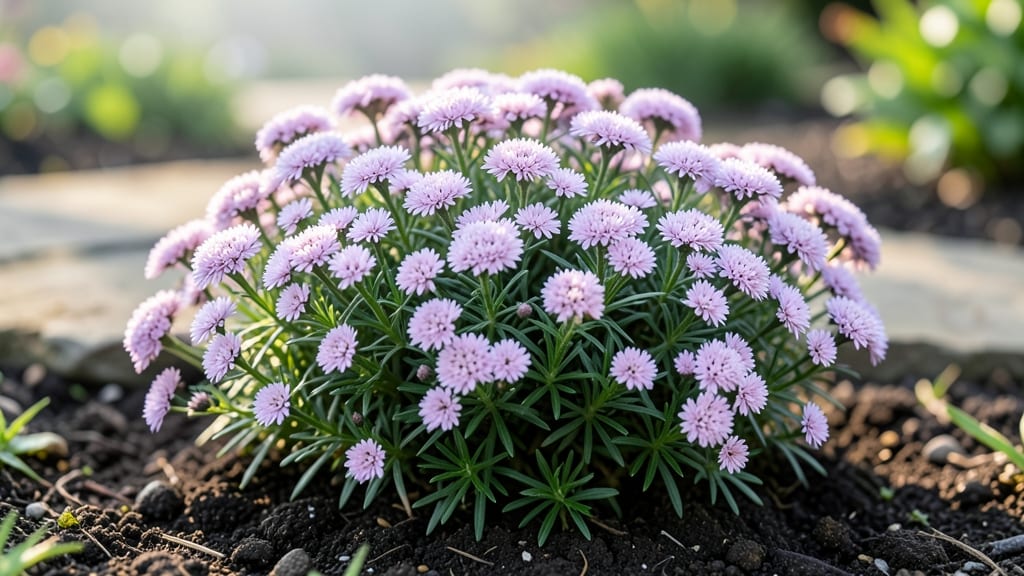
Candytuft blooms all summer only if you prune it correctly: deadheading faded flowers keeps them coming, while trimming back in early summer makes the plant bushier and prolongs the flowering season. Without pruning, the blooms will fade by mid-summer.
Candytuft thrives on regular maintenance to keep its blooms vibrant. 🌸 The key is understanding how pruning affects its growth—removing spent flowers redirects energy to new buds, while strategic trimming in early summer encourages thicker foliage and more flowers.
Think of it like giving your plant a haircut: too little and it gets leggy, too much and you stunt its growth. I’ve seen candytuft plants in full bloom from June through September when pruned properly, but neglected ones often look tired by July.
Timing matters most: early summer is prime for aggressive cuts to promote bushiness, while deadheading throughout the season keeps flowers coming. Use clean, sharp shears to avoid damaging stems, and always prune just above a leaf node.
This simple habit can transform a one-time summer show into a nonstop floral display.
💡 In This Article
- How Pruning Extends Candytuft’s Summer Bloom Season
- Best Pruning Techniques for Continuous Candytuft Flowers
How pruning extends candytuft’s summer bloom season
Candytuft’s ability to bloom continuously hinges on a plant’s natural growth hormone called auxin, which concentrates at the tips of stems. When you leave spent flowers unpruned, auxin production continues unchecked, suppressing side buds that could grow into new blooms.
This phenomenon, called apical dominance, explains why neglected candytuft plants often produce just one flush of flowers before fading.
By deadheading—removing faded blooms—you break this dominance, allowing energy to redirect to dormant side buds. 🌿 Studies show that plants with deadheaded flowers can produce up to 30% more blooms than unpruned counterparts.
The timing of your cuts makes all the difference: early summer pruning (around May-June) is when you should make aggressive cuts—trimming back by one-third to one-half of the plant’s height—to encourage bushier regrowth. This heavy pruning stimulates lateral branching, which translates to more flower stems.
Late-season pruning (after July) should focus on deadheading only, as the plant’s energy shifts toward seed production. Over-pruning in late summer can weaken the plant before winter, reducing next year’s blooms.
Think of candytuft’s growth like a tree: heavy pruning in spring is like giving it a haircut to encourage fuller branches, while deadheading is like trimming individual leaves to keep the tree looking fresh. The plant’s natural response to stress from pruning triggers a hormonal shift that promotes flowering.
For example, a candytuft plant pruned back to 6 inches in early June will often produce a second flush of blooms by mid-July, whereas an unpruned plant may show signs of decline by then.
Color plays a role too—darker varieties like 'Moonshine' respond better to aggressive pruning than lighter types, which may become leggy if over-pruned. The key is balance: too little pruning leads to sparse blooms, while too much can stress the plant.
I’ve found that candytuft thrives with a two-step approach: heavy pruning in early summer followed by regular deadheading throughout the season. This method keeps flowers coming until frost, sometimes even into October in warmer climates.
Here’s what happens under the surface: when you cut a stem, the plant’s wound response activates, producing callus tissue that seals the cut. This process triggers the release of cytokinins—hormones that promote cell division in side buds.
Within 2-3 weeks of pruning, you’ll often see new shoots emerging from leaf nodes, each capable of producing flowers. The result? A candytuft plant that looks like it’s wearing a nonstop floral jacket instead of a one-time summer dress. 🌸
For best results, prune on a dry, overcast day to reduce stress on the plant. Use clean, sharp pruners to avoid crushing stems, which can introduce disease.
And always wear gloves—candytuft’s fuzzy foliage can be surprisingly itchy! The payoff? A garden that stays colorful from June through September with minimal effort.