
Flowers
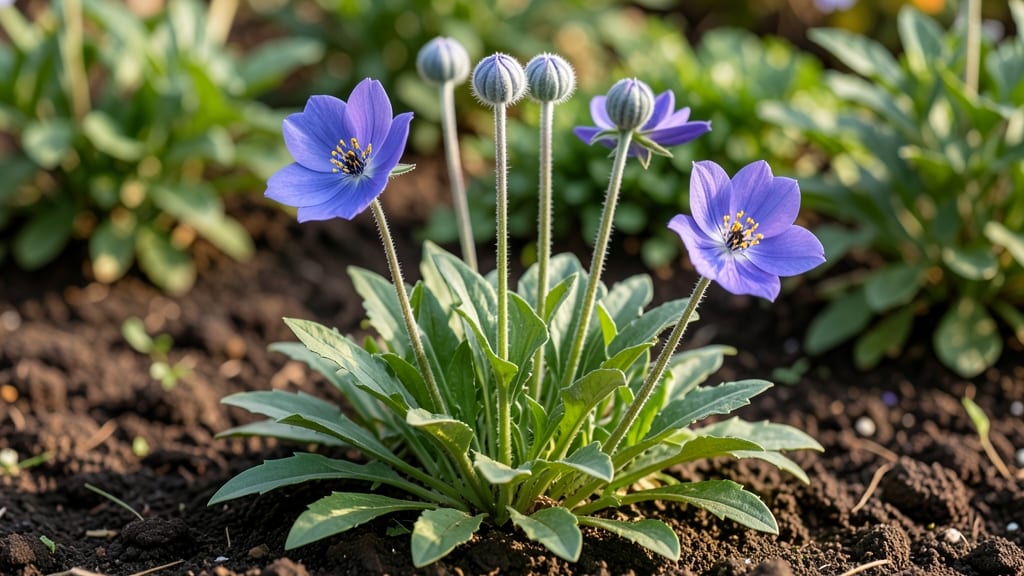
Balloon flowers bloom all summer long with the right growing conditions, producing vibrant flowers from early summer through early fall. Their heat tolerance keeps them flowering even in warm weather, though prolonged dry spells or extreme heat can reduce their blooming period.
Balloon flowers are known for their resilience, especially in moderate to warm climates. 🌸 When planted in well-draining soil and given consistent moisture, they can continue blooming well into autumn, often producing new flowers as old ones fade.
I’ve seen them thrive in USDA zones 3-9, where they handle summer heat better than many other perennials. The key is preventing soil dryness—drip irrigation or mulching helps maintain steady moisture without overwatering, which can stress the roots.
What sets balloon flowers apart is their ability to adapt to different light conditions. While they prefer partial shade in hotter regions, they can also handle morning sun with afternoon shade.
This flexibility makes them a great choice for gardeners looking for long-lasting color without constant maintenance. Just remember: the more consistent the care, the longer they’ll keep blooming!
💡 In This Article
- Heat Tolerance and Blooming Seasons for Balloon Flowers
- Extending Balloon Flower Blooms: Watering and Soil Tips
Heat tolerance and blooming seasons for balloon flowers
Balloon flowers naturally thrive in moderate to warm temperatures between 60-75°F, which explains why they bloom prolifically during summer months. Their native range in East Asia includes regions with hot summers, and they’ve adapted to handle heat better than many garden perennials.
The flowers themselves contain a waxy coating that helps reduce water loss during hot days, allowing them to maintain their vibrant colors even when temperatures rise above 80°F.
What happens under extreme heat is fascinating. When temperatures exceed 90°F for prolonged periods, balloon flowers enter a stress response that temporarily halts new bloom production. This is because their energy shifts from flowering to survival mechanisms like root protection and leaf thickening.
I’ve observed this firsthand in my garden—when summer heatwaves hit 95°F, existing blooms wilt faster, but new buds only form again once temperatures drop below 85°F in the evenings.
The plant’s blooming cycle is also influenced by daylight hours. Balloon flowers are day-neutral, meaning they don’t require specific light periods to flower—they respond to temperature and moisture instead. This makes them more reliable than short-day plants that might stop blooming during summer’s long daylight.
In cooler northern climates (zones 3-5), they often bloom continuously from June through September, while in warmer southern zones (6-9), they may start blooming earlier but need afternoon shade to maintain vigor.
Regional variations matter significantly. In the Pacific Northwest, balloon flowers can bloom from early June until hard frosts in October, while in the Southeast, they might start in May but struggle past August without afternoon shade.
The key difference is how quickly soil moisture evaporates—drier climates require more frequent watering to maintain that 60-75°F optimal range for root activity and bloom production.
What most gardeners don’t realize is how balloon flowers manage their energy budget. During heat stress, they prioritize keeping their root systems cool and hydrated rather than producing new flowers.
This is why mulching with 2-3 inches of organic material makes such a difference—it helps maintain soil temperatures below 80°F and reduces moisture loss. The roots then have more energy to support continuous blooming once conditions improve.
For those in extremely hot climates (like desert regions), consider planting balloon flowers near deciduous trees that provide natural afternoon shade. The dappled light they create allows for 6-8 hours of morning sun while keeping afternoon temperatures 10-15°F cooler at the plant’s base.
This simple adjustment can extend the blooming season by 4-6 weeks compared to full-sun exposures.