
Blooming
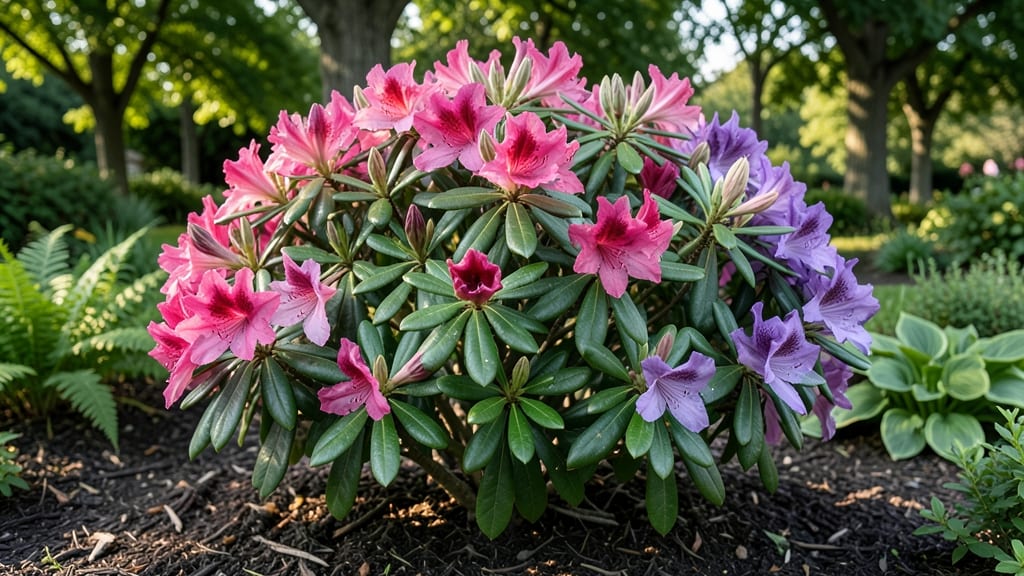
Your azaleas could burst into color twice a year—if you know the secret bloom windows. 🌸 Spring azaleas typically bloom from late April to early June, while fall varieties shine from September to November, though exact timing depends on your USDA zone and the specific cultivar.
The difference between a spectacular display and a sparse one often comes down to matching care to these natural rhythms.
Climate plays the biggest role in bloom timing. In warmer southern zones (7-9), spring azaleas may bloom as early as March, while in cooler northern zones (5-6), they might not peak until June. Fall-blooming varieties follow the opposite pattern—earlier in cooler climates, later in warm ones.
Even within the same region, microclimates (like sheltered spots or urban heat islands) can shift bloom windows by 2-4 weeks.
You’ll notice the healthiest blooms come from plants that get consistent moisture, partial shade, and acidic soil (pH 4.5-6.0). Prune right after blooming to encourage next year’s flowers, and feed with acid-loving fertilizer in early spring.
A well-timed deep watering in late summer can also push fall blooms to their peak.
For year-round color, mix spring and fall varieties in your landscape. The key is observing your plants’ cues—buds forming in late winter signal spring blooms, while new growth in summer hints at fall flowering. With this precision approach, your azaleas will deliver two stunning shows instead of one.
📚 In This Guide
- What you need
- Instructions
- Tips and common mistakes
- Wrapping up and next steps
What you need
- ● Azalea plants: Choose Rhododendron varieties suited to your USDA hardiness zone (e.g., Rhododendron indicum for zones 6-9, Rhododendron simsii for zones 7-10). Quantity: 1-5 plants (scalable for beds or containers).
- ● Well-draining acidic soil: Aim for a pH of 4.5–6.0. Mix 3 parts peat moss or coconut coir + 1 part perlite + 1 part pine bark fines for DIY blends.
- ● Organic mulch: 3–4 inches of pine straw, oak leaves, or cedar chips to retain moisture and acidity.
- ● Slow-release fertilizer: 10-10-10 or 8-3-9 (acid-loving blend) applied 2–3 times per year (spring, summer, fall).
- ● Watering can or drip irrigation: Azaleas need 1–1.5 inches of water weekly (more in containers).
- ● Pruning shears: Bypass pruners (sharp, clean) for shaping after blooming.
- ● pH test kit: Digital or liquid test strips to monitor soil acidity biannually.
- ● Epsom salt: 1 tbsp per gallon of water (monthly spray for magnesium boost).
- ● Azalea-specific granules: Osmocote Smart-Release Plant Food (14-14-14) for convenience.
- ● Shade cloth (30–50% coverage): Protects young plants from harsh afternoon sun.
- ● Container growers: 14–18-inch pots with drainage holes + terracotta cache pots for insulation.
- ● Bloom-time tracker: A garden journal or app (e.g., Gardenate) to log pruning/fertilizing dates.
How to time azalea blooms for season-long color
Mastering azalea bloom cycles means reading the calendar and the plant—here’s how to sync them perfectly.
📅 Step 1: Identify Your Azalea Type and Native Bloom Window
Azaleas bloom based on their natural season: late spring for most species, but fall for late-season varieties like Enkianthus or Rhododendron vaseyi. Check your plant’s label—evergreen azaleas (like Rhododendron hybrids) typically bloom April–June, while deciduous types (such as Rhododendron prinophyllum) often flower March–April. If unsure, observe nearby azaleas: buds forming in late winter mean spring blooms are coming.
Here’s the thing—cold requirements matter. Most azaleas need 400–800 hours below 45°F to set buds. If your winter was mild, your azalea might skip blooming entirely. Note your last frost date: buds form 6–8 weeks before blooming, so if frost hits in March, expect flowers by mid-May. Track this year’s chill hours using a local weather app to predict bloom timing accurately.
☀️ Step 2: Adjust Light and Fertilizer for Peak Bud Formation
Azaleas thrive in morning sun and afternoon shade, but bud development demands consistent light. If your azalea’s leaves yellow or buds drop, it’s getting too much midday sun—move it to a spot with dappled shade (like under high tree branches). For container-grown azaleas, rotate the pot quarter-turn weekly to ensure even light exposure; you’ll see stronger stems and more buds within 4–6 weeks.
Fertilize only after blooming ends (late summer) with an acid-loving fertilizer (like 8-3-9 with micronutrients). Over-fertilizing now stops bud formation—use half the recommended dose and water deeply to prevent root burn. Look for new growth in early summer: this signals the plant is storing energy for next year’s blooms. If growth stalls, your soil may need more organic matter (like peat moss or pine bark).
⏰ Step 3: Time Pruning to Preserve Next Year’s Flowers
Never prune after mid-summer—this cuts off next year’s flower buds, which form on old wood. Instead, prune right after blooming (June–July) to shape the plant and remove dead or crossing branches. Use clean, sharp shears and cut just above a leaf node (the bump where leaves attach). You’ll see fresh green shoots within 2–3 weeks—these are your plant’s way of telling you it’s prepping for next season.
For overgrown azaleas, thin out 10–20% of the oldest stems at the base to encourage new growth. Avoid heavy pruning—azaleas bloom on last year’s growth, so aggressive cuts now mean fewer flowers next spring. If your azalea hasn’t bloomed in years, it’s likely root-bound or over-pruned; consider repotting into a larger container or dividing the plant in early spring.
💧 Step 4: Water and Mulch for Consistent Moisture
Azaleas hate soggy roots but wilting buds mean they’re not getting enough water. Water deeply 2–3 times per week (more in extreme heat) until soil 6 inches down stays moist. Check by sticking your finger in—if it feels dry, water again. Drip irrigation or soaker hoses work best to avoid wetting leaves (which causes fungal diseases). You’ll know moisture is right when leaves stay plump and buds stay firm, not shriveled.
Apply 3–4 inches of mulch (like pine bark or shredded leaves) around the base, keeping it 2 inches away from the trunk. Mulch retains moisture and mimics the acidic forest floor azaleas love. Replenish mulch annually in early spring—this prevents soil from drying out and protects roots from temperature swings. If mulch decomposes too fast, top it up in late summer to maintain coverage.
✂️ Step 5: Extend Bloom Time with Strategic Deadheading
To prolong blooms, deadhead spent flowers (snip the stem just below the first set of healthy leaves) weekly during peak bloom. This redirects energy to new buds forming at the base. Avoid deadheading all flowers at once—leave a few to set seed naturally, which encourages reblooming in some varieties. Watch for small green buds at the stem base: these are your plant’s promise of more color to come.
For reblooming azaleas (like Knaphill hybrids), fertilize lightly with high-phosphorus fertilizer (like 10-10-10) after the first flush of flowers drops. This tricks the plant into producing a second round of buds. However, don’t overdo it—too much nitrogen stops flowering and promotes leafy growth instead. If your azalea blooms weakly, it might need more shade or less fertilizer. Adjust based on what you see: few buds? Reduce nitrogen. Leggy growth? Increase shade.
Tips & tricks for perfect azalea bloom timing
Here’s what nobody tells you about getting your azaleas to bloom on schedule—these tricks will help you avoid common pitfalls and maximize your plant’s potential.
Chill Hours Tracking: The 400–800 hours below 45°F are non-negotiable for bud formation. Use a weather app to track chill hours annually—if your winter falls short, consider moving your azalea to a cooler microclimate or using shade cloth during summer to help it recover and store energy for next year’s blooms. I learned this the hard way after my azalea skipped blooming three years in a row during mild winters.
Light Exposure Secret: In Step 2, when adjusting light, pay special attention to the transition period between morning sun and afternoon shade. If your azalea gets too much midday sun, you’ll notice buds dropping within 4–6 weeks—this is your plant’s way of saying it’s stressed. Use a light meter to check intensity; ideal light should be around 2,000–4,000 foot-candles during peak hours.
Pruning Precision: When pruning in Step 3, focus on thinning out rather than shearing. Cutting just above a leaf node (that little bump where leaves attach) encourages new growth while preserving the old wood where next year’s buds form. I used to make the mistake of cutting too close to the trunk—now I mark the node with a pencil first to ensure clean cuts.
Deadheading Strategy: The weekly deadheading in Step 5 works best if you do it early in the morning when buds are fully turgid (firm). Snip just below the first set of healthy leaves using clean shears—this prevents disease transmission. I’ve found that leaving one cluster of flowers per branch un-deadheaded encourages the plant to focus energy on bud formation for next season.
Pro Tips for Azalea Bloom Time
- Here’s what nobody tells you about getting your azaleas to bloom on schedule—these tricks will help you avoid common pitfalls and maximize your plant’s potential.
- Chill Hours Tracking: The 400–800 hours below 45°F are non-negotiable for bud formation.
- Light Exposure Secret: In Step 2, when adjusting light, pay special attention to the transition period between morning sun and afternoon shade.
Frequently asked questions
Got questions about timing your azalea blooms or keeping them vibrant? Here are some of the most common queries—plus expert answers to help you plan like a pro!
When do azaleas typically bloom?
Most azaleas bloom in spring (March–May), though timing varies by variety and climate. Southern azaleas often bloom earlier (February–April), while northern types may wait until late spring. Pro tip: Check your local USDA zone for the best estimate!
Can I make my azaleas bloom earlier or later?
While you can’t drastically change bloom time, you can encourage earlier blooms by pruning in early spring (before buds swell) or using delayed dormancy techniques (like winter mulch removal). For later blooms, prune right after flowering. Warning: Heavy pruning too late can reduce next year’s blooms!
Why aren’t my azaleas blooming this year?
Common culprits include:
- Over-fertilizing (especially with high-nitrogen fertilizer)
- Poor pruning habits (cutting back after buds form)
- Stress from drought or extreme heat
- Improper sunlight (too much shade or harsh sun)
Try acidic fertilizer (low in nitrogen) and ensure they get morning sun + afternoon shade.
Are there azaleas that bloom in fall or winter?
Yes! Fall-blooming varieties (like Kurume azaleas) thrive in zones 7–9, with blooms from September–November. For winter color, look for Girard’s azalea (zones 6–9), which blooms in late winter. These need cool winters to trigger buds.
How do I extend my azalea’s bloom time?
For longer displays:
- Choose repeat-blooming varieties (e.g., Enchantment or Southern Charm)
- Deadhead spent blooms to encourage new flowers
- Water deeply but infrequently (1–2 inches per week)
- Avoid pruning after mid-summer to preserve next year’s buds
Bonus: Mulch with pine bark to retain moisture and acidify soil!
Wrapping up and next steps
Timing is everything when it comes to azalea bloom time—whether you’re planning your garden’s seasonal highlights or troubleshooting late blooms. By understanding your hardiness zone, variety, and seasonal cues, you can predict and extend those vibrant bursts of color with confidence! 🌸
Ready to transform your outdoor space? Start by noting your local bloom windows and experimenting with a few late-blooming varieties. Every petal you nurture is a step toward a garden that never stops shining—happy planting! 🌿