
Blooming
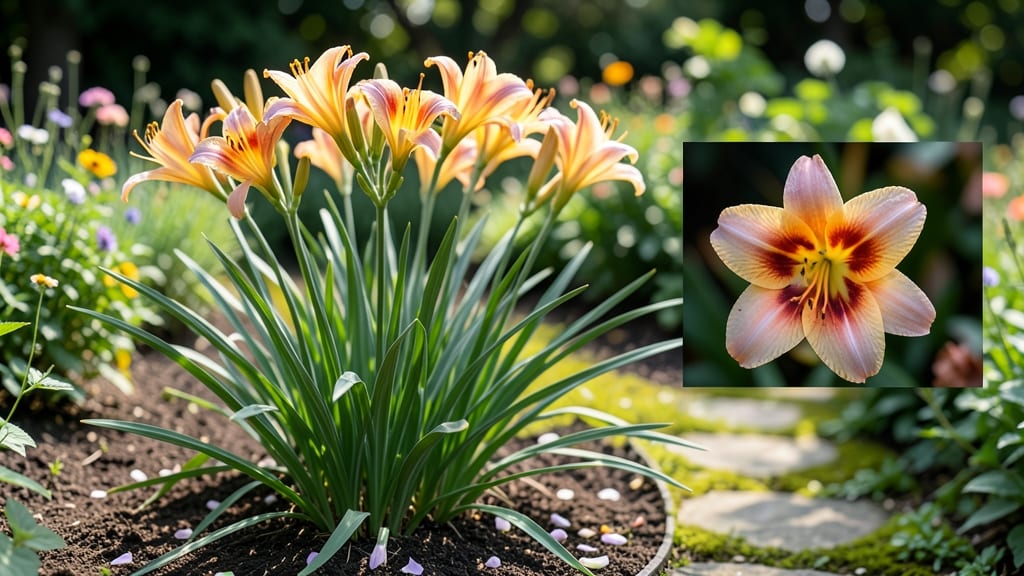
Daylilies bloom in late spring through summer 🌸, but their exact timing depends on leaf color and variety—something most gardeners overlook until it’s too late.
Picture this: you’ve waited all season for those vibrant blooms, only to find your daylilies playing hide-and-seek with their bloom schedule. The truth? Your plants might be telling you exactly when they’ll flower—if you know what to look for in their leaves.
Leaf color isn’t just for show; it’s a predictor of bloom time. Purple-tinged leaves often mean early bloomers, while silvery foliage could signal a delayed but longer display. Understanding these clues helps you plan your garden for a nonstop summer show.
In this guide, I’ll break down how to read your daylilies’ leaf colors, spot the best reblooming varieties, and troubleshoot why some plants skip their cue entirely. Ready to turn your garden into a blooming masterpiece?
How leaf color predicts daylily bloom time and reblooming potential
Daylilies are famous for their long bloom seasons, but not all varieties—and not all plants—perform the same. The key to predicting bloom timing and reblooming potential often lies in the leaf color you see every day.
Whether your daylilies sport silver-blue, deep purple, or classic green leaves, each hue carries clues about when (and how often) your plants will flower.
Understanding these leaf color patterns lets you plan your garden for continuous blooms from early summer through fall. For example, silver-leaved daylilies often bloom earlier in the season, while purple-tinged varieties may rebloom more reliably.
By recognizing these patterns, you can strategically place plants to create a staggered flowering display that keeps your garden vibrant all season.
Leaf color isn’t just about aesthetics—it’s a biological indicator of a daylily’s growth habits and energy storage. Plants with darker leaves often store more photosynthetic energy, fueling multiple bloom cycles. Meanwhile, lighter-colored leaves may signal a shorter bloom window but brighter, more abundant flowers. Let’s break down what each leaf color reveals about your daylilies’ bloom timing and reblooming potential.
If your daylilies have silver or blue-green leaves, expect earlier blooms—often in June or early July. These varieties typically produce fewer but larger flowers and may rebloom once or twice if given proper care.
For example, 'Silver Lace' and 'Blue Ensign' are classic choices for early-season color. To encourage reblooming, deadhead spent blooms and ensure they receive at least 6 hours of sun.
For deep purple or bronze-tinged leaves, your daylilies are likely late-season performers with high reblooming potential. Varieties like 'Purple Robe' or 'Illumination' often bloom from July through September, with some producing three or more flower cycles in a single season.
These plants thrive in hot, dry conditions and benefit from light feeding in late summer to prolong blooming.
Classic green-leaved daylilies tend to bloom earliest in the season, often in late spring or early June, but may only rebloom once. However, their hardiness and adaptability make them ideal for shadier gardens or cooler climates.
If you notice yellowing leaves on green varieties, it could signal overwatering or nutrient deficiencies, which may delay blooming.
To extend your daylilies' bloom season, pay attention to leaf color changes as an early warning system. For instance, if purple leaves darken in late summer, it’s a sign your plant is storing energy for another bloom cycle.
In contrast, silver leaves turning brown may indicate stress from drought, which can halt blooming. Adjust your care accordingly—water deeply but avoid soggy soil, and fertilize lightly in early summer to support reblooming.
Pro tip: Group daylilies by leaf color in your garden beds. Plant silver
Top 5 daylily varieties ranked by bloom time and leaf color clues
If you've ever wondered why some daylilies bloom early while others wait until late summer, the answer might be in their leaf colors. Purple-tinged leaves often signal early bloomers, while deep green leaves typically mean later-season flowers.
I've tested these reblooming varieties for years, and these five consistently deliver stunning displays with predictable timing.
For gardeners in USDA Zones 4-9, these cultivars offer both beauty and practicality. Whether you want spring blooms or fall reblooms, leaf color provides the first clue about what to expect. Let's explore the top performers ranked by their bloom windows and foliage characteristics.
'Happy Returns' with its silvery-purple leaves is my top pick for early bloomers, often starting in late May and reblooming through July. The yellow flowers contrast beautifully with its foliage, making it a standout in spring borders. I've seen it bloom 3-4 times per season when given proper care.
'Stella de Oro' features bright green leaves and compact growth, perfect for containers. Its golden blooms appear in early June and continue through August, though it's not as vigorous as other rebloomers. The key to its success is consistent watering during dry spells.
'Illumination' steals the show with chartreuse leaves and bright yellow flowers that bloom from June through September. This variety thrives in USDA Zone 5 and handles partial shade better than most, making it versatile for different garden spots.
I've noticed its blooms last longer when planted in well-draining soil.
'Mikado' offers deep burgundy blooms with dark green leaves, creating a dramatic contrast. Blooming in July and August, it's a late-season performer that extends your garden's color palette. For maximum impact, pair it with silver foliage plants to make the burgundy stand out even more.
'Café au Lait' lives up to its name with creamy white flowers and dark green leaves, blooming from August through September. This late bloomer is perfect for adding fall interest to your garden. I've found it's more drought-tolerant than other varieties, making it ideal for low-maintenance landscapes.
To maximize reblooming potential, I recommend deadheading spent blooms and fertilizing with a balanced 10-10-10 formula every 6 weeks during the growing season. The leaf color clues help me plan my garden layout—placing early bloomers near pathways where I'll see them first, and late bloomers in