
Blooming
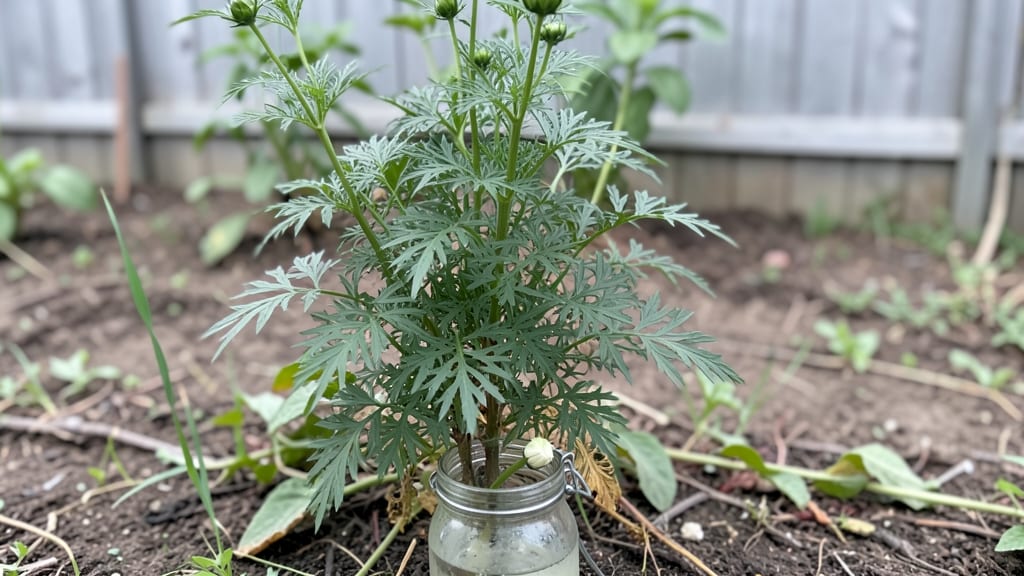
Cosmos flowers not blooming can feel like a mystery—until you know the simple fixes that trigger those cheerful faces. 🌻 I’ve had cosmos plants sit there looking pretty but stubbornly seed-stalk-only, and the solution always came down to one overlooked detail.
The good news? Cosmos are forgiving once you address the real culprits, like sunlight deprivation or over-fertilizing into oblivion.
Most gardeners assume cosmos just happen—but they’re actually light-hungry divas that reward attention. Six hours of direct sun is their minimum, and too much nitrogen fertilizer sends them into leafy overdrive instead of blooming.
Even watering plays a role: let the top inch dry between drinks, or you’ll stunt those buds before they open. Pruning spent blooms isn’t optional either—it’s the secret to nonstop color.
Within two weeks of adjusting these basics, you’ll see new buds forming at the base of the stems. The flowers return with bold, papery petals in shades of pink, white, and magenta, and the plants grow taller and bushier than before.
No more sad, stalky stems—just a cloud of blooms that attracts pollinators by the dozen.
Works for container gardens, cottage-style borders, or even cut-flower arrangements. Here’s exactly how to diagnose and fix the issue—no guesswork, just results. Let’s get those cosmos back in action!
Root Causes Behind Stalled Blooms
If your Cosmos bipinnatus (or any cosmos variety) is putting out lush green foliage but refusing to burst into color, don’t panic—there’s usually a clear reason behind the delay. Below, we break down the most common culprits, backed by science, so you can diagnose the issue and take action.
🌱 Insufficient Sunlight
Cosmos thrive on full sun exposure—at least 6 to 8 hours of direct sunlight daily. When deprived, they prioritize leaf growth over energy-intensive blooms. Here’s why:
- Photosynthesis slowdown: Sunlight triggers chlorophyll production, but Cosmos need bright light to convert energy into anthocyanins (the pigments that create vibrant blooms). Shade-starved plants redirect resources to survival, not flowers.
- Temperature sensitivity: Cosmos grown in partial shade often struggle to reach their optimal flowering temperature of 70–75°F (21–24°C). Cooler conditions further delay bloom triggers.
- Actionable fix:
- Move potted cosmos to a sunnier spot or prune nearby trees/shrubs blocking light.
- Use reflective surfaces (like white walls or mulch) to bounce extra light onto plants.
- If indoors, supplement with a grow light (12–14 hours/day) placed 6–12 inches above the plant.
💧 Watering Woes
Overwatering or underwatering sends mixed signals to cosmos, halting their natural bloom cycle. The science:
- Root stress: Cosmos have deep taproots that seek moisture. Overwatering suffocates roots by cutting off oxygen (anoxia), while drought triggers abscisic acid (a stress hormone that pauses flowering).
- Nutrient dilution: Excess water leaches out phosphorus and potassium—key nutrients for flower development—leaving plants weak.
- Actionable fix:
- Check soil moisture: Stick your finger 2 inches deep; water only if dry. Cosmos prefer well-draining soil (aim for 1–1.5 inches of water per week, including rainfall).
- Improve drainage: Amend clay soil with perlite or sand (20% mix). For containers, ensure pots have drainage holes.
- Deep watering: Water at the base (not leaves) to encourage root growth. Use a drip irrigation system for consistency.
🌡️ Temperature & Seasonal Timing
Cosmos are cool-season plants that bloom best in spring or fall, but they’re sensitive to extreme heat or cold snaps. Here’s the breakdown:
- Heat shock: Temperatures above 85°F (29°C) for prolonged periods cause bolting (rapid stem elongation) or flower bud abortion. High heat also increases transpiration, drying out plants before they bloom.
- Cold sensitivity: Cosmos won’t germinate below 50°F (10°C) and may stop blooming if night temps drop below 55°F (13°C).
- Actionable fix:
- Time your planting: Sow seeds 4–6 weeks before the last frost for spring blooms or 6–8 weeks before fall’s first frost.
- Provide shade cloth: Use 30–50% shade fabric during heatwaves to keep temps below 80°F (27°C).
- Mulch heavily: Apply 2–3 inches of organic mulch (straw or wood chips) to regulate soil temperature and retain moisture.
🌿 Nutrient Imbalances
Cosmos are light feeders, but too much (or the wrong) fertilizer can backfire, causing lush leaves but no blooms. The chemistry:
- Nitrogen overload: High nitrogen (N) promotes vegetative growth at the expense of flowers. A soil test showing N levels >100 ppm is a red flag.
- Phosphorus deficiency: Phosphorus (P) is critical for flower development. Low P (below 20 ppm) stalls blooming.
- Actionable fix:
- Test your soil: Use a DIY soil test kit or send a sample to a local extension office. Aim for a balanced NPK ratio (e.g., 5-10-10).
- Feed lightly: Apply a low-nitrogen, high-phosphorus fertilizer (like 5-10-5) once at planting and again when buds form.
- Avoid compost overuse: Too much organic matter can lock up phosphorus—stick to 1–2 cups per plant.
🪴 Pot Bound or Crowded Roots
Cosmos in containers or dense gardens may stop blooming when their roots become root-bound or overcrowded. Here’s how it happens:
- Circular root growth: Roots growing in tight circles (girdling) strangle themselves, limiting nutrient and water uptake.
- Competition for resources: Overcrowded plants compete for sunlight, water, and nutrients, triggering survival mode (more leaves, fewer flowers).
- Actionable fix:
- Repot if needed: If roots circle the pot, transplant into a container 2–3 inches larger with fresh soil.
- Thin seedlings: Space cosmos 12–18 inches apart in gardens to reduce competition.
- Prune lower leaves: Trim yellow or crowded foliage to improve airflow and redirect energy to blooms.
💡 Pro Tip: Keep a bloom journal to track sunlight, watering, and fertilizer changes. Cosmos often respond within 2–4 weeks of correcting the root cause!
Revive Your Cosmos Blooms Naturally
If your cosmos flowers are refusing to bloom, don’t despair—these practical fixes will bring back their vibrant color and full potential. Below, we’ve mapped common causes to actionable solutions, complete with prevention tips to keep your cosmos thriving. Let’s get those blossoms popping!
🌱 Fix Overcrowding & Poor Spacing
When cosmos plants are too close together, they compete for sunlight, water, and nutrients, stunting growth and delaying blooms.
- 🔥 Thin Out Plants: Space cosmos 12–18 inches apart (check seed packet guidelines). If overcrowded, gently transplant excess seedlings to a new spot or pot.
- 🍳 Prune for Airflow: Snip back leggy stems to encourage bushier growth. Aim for a rounded shape to maximize sunlight exposure.
- 🌡️ Prevention Tip: Start with proper spacing when planting seeds or seedlings. Cosmos thrive in groups but need room to stretch!
☀️ Boost Sunlight Exposure
Cosmos love full sun (6+ hours daily) and may skip blooming if shaded by taller plants or structures.
- 👨🍳 Relocate or Trim: Move pots to sunnier spots or prune nearby trees/shrubs blocking light. A south- or west-facing garden bed is ideal.
- 🥘 Reflect Light: Place a white wall or reflective surface (like a mirror) near cosmos to bounce extra sunlight onto their leaves.
- ✨ Prevention Tip: Plant cosmos in open areas where they won’t be overshadowed by faster-growing annuals or perennials.
💧 Adjust Watering Practices
Too much or too little water can stress cosmos, causing them to focus on survival instead of blooming.
- 🔪 Check Soil Moisture: Stick your finger 1–2 inches into the soil—water only when it’s dry. Cosmos prefer consistent moisture, not soggy roots.
- 🌧️ Mulch to Retain Water: Apply 2–3 inches of organic mulch (straw or shredded leaves) to keep soil evenly moist and cool.
- 🎯 Prevention Tip: Water at the base (not overhead) to avoid fungal diseases that weaken plants.
🌿 Fertilize for Blooms, Not Foliage
Cosmos are light feeders—too much nitrogen (common in lawn fertilizers) produces lush leaves but few flowers.
- 📊 Use Low-Nitrogen Fertilizer: Switch to a balanced (10-10-10) or bloom-boosting (5-10-10) fertilizer. Apply sparingly every 4–6 weeks.
- 🥗 Organic Alternatives: Mix in compost or a slow-release granular fertilizer at planting time for a gentle nutrient boost.
- 💡 Pro Tip: Avoid high-nitrogen fertilizers like those labeled for lawns—they’ll make your cosmos grow leaves instead of flowers!
✂️ Deadhead & Encourage Reblooming
Removing spent blooms redirects energy to new flowers, extending the blooming season.
- 🔪 Snip Regularly: Trim back faded flowers to the first set of healthy leaves. Use clean pruners to avoid disease.
- 🌸 Promote Bushier Growth: Pinch back stems by 1/3 early in the season to encourage branching and more blooms.
- 🌡️ Prevention Tip: Deadhead every 2–3 days during peak bloom for non-stop color.
🐛 Control Pests & Diseases
Pests like aphids or powdery mildew sap energy, leading to weak, non-blooming plants.
- 🔥 Inspect Leaves: Spray off aphids with water or use neem oil for stubborn infestations. Remove yellowing/diseased leaves immediately.
- 🌿 Improve Airflow: Space plants properly and avoid overhead watering to prevent fungal issues.
- 🎯 Prevention Tip: Rotate crops yearly if growing cosmos in the same spot to prevent soil-borne diseases.
With these fixes, your cosmos should burst into color in no time! Consistency is key—monitor their progress and adjust as needed. Happy gardening! 🌸
Frequently asked questions
Why are my cosmos growing leaves but no flowers?
Cosmos prioritize leaf growth when they don’t get enough sunlight or proper nutrients. These sun-loving plants need at least 6 hours of direct sunlight daily. If your cosmos are in shady spots or over-fertilized with nitrogen, they’ll focus on foliage instead of blooms. Try moving them to sunnier areas and switch to a low-nitrogen fertilizer to encourage flowers.
How often should I water cosmos to promote blooming?
Water cosmos deeply but infrequently—aim for 1–1.5 inches of water per week, including rainfall. Let the top inch of soil dry out between waterings to prevent root rot. Overwatering stresses plants and halts blooming, while underwatering causes weak stems. Mulching helps maintain consistent moisture levels.
Can I revive my cosmos if they’ve stopped blooming for months?
Start by pruning back leggy stems to encourage new growth, then adjust care: move to full sun, fertilize lightly with phosphorus, and deadhead spent blooms. Cosmos are resilient—within 2–4 weeks of proper care, you’ll see fresh buds forming. Patience and consistency are key!
What’s the best way to deadhead cosmos for continuous blooms?
Snip off faded flowers at the first set of healthy leaves using clean pruners. Deadheading redirects energy to new blooms, extending the season. Do this every 2–3 days during peak bloom for nonstop color. Pinch back stems by 1/3 early in the season to encourage bushier growth and more flowers.
Should I fertilize cosmos at all, or will it prevent blooming?
Cosmos are light feeders, so fertilize sparingly! Use a balanced or bloom-boosting fertilizer (5-10-10) only once at planting and again when buds form. Avoid high-nitrogen fertilizers—they’ll promote leaves over flowers. Organic options like compost (1–2 cups per plant) also work well.