
Flowers
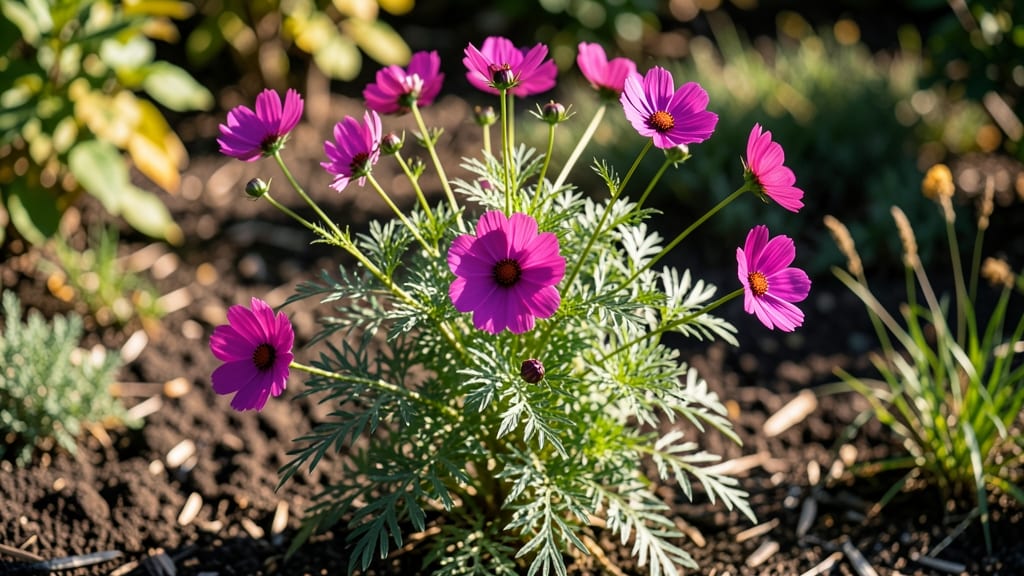
The cosmos flowers bloom time spans from mid-summer to early fall, turning your garden into a riot of color 🌼 when timed just right.
If you’ve ever planted cosmos flowers only to wait weeks—or even months—for vibrant blooms, understanding their exact bloom windows could transform your garden’s seasonal color game.
These hardy annuals thrive in USDA Zone 6a and beyond, with varieties like ‘Sensation Mix’ kicking off in July and ‘Bright Lights’ stretching into October. The key? Full sun, well-draining soil, and a little deadheading to keep them producing.
Below, I’ll break down the bloom calendar by variety, share pro tips to extend their season, and show you how to pair them with other plants for a nonstop summer-to-fall show.
Cosmos bloom time by variety: when to expect peak color
If you’ve ever planted cosmos flowers only to wait weeks—or even months—for vibrant blooms, understanding their exact bloom windows could transform your garden’s seasonal color game. Cosmos are famous for their long-lasting blooms, but different varieties have distinct peak bloom periods that align with your region’s climate.
Whether you’re planning a summer garden or extending fall color, knowing when to expect cosmos flowers bloom time helps you strategize plantings for continuous seasonal interest.
Cosmos typically bloom from mid-summer to early fall, but their exact timing depends on the variety and your USDA hardiness zone. Early bloomers like ‘Bright Lights’ may start as early as late June, while late-season varieties like ‘Seashells’ can keep flowering until first frost.
Even within the same variety, regional adjustments of 2–4 weeks are common—plants in Zone 10 may bloom 6 weeks earlier than those in Zone 5.
Below is a variety-specific breakdown of cosmos bloom times, including early, mid, and late-season performers tailored for climate zones 5–10. Use this as your garden planning calendar to ensure non-stop color from summer through fall.
| Variety | Peak Bloom Time (Zones 5–7) | Peak Bloom Time (Zones 8–10) | Bloom Duration | Height (ft) | Color Palette |
|---|---|---|---|---|---|
| ‘Sensation Mix’ | Late July–September | June–October | 8–10 weeks | 2–4 ft | Pink, white, red |
| ‘Bright Lights’ | Late June–August | May–September | 6–8 weeks | 1–2 ft | Deep pink, burgundy |
| ‘Seashells’ | August–October | July–November | 10–12 weeks | 3–5 ft | White, blush pink |
| ‘Double Click’ | July–September | June–October | 7–9 weeks | 2–3 ft | Pink, magenta |
| ‘Purity’ | Late July–October | June–November | 12+ weeks | 4–6 ft | Pure white |
For Zone 5–7 gardeners, aim to plant early varieties like ‘Bright Lights’ by mid-May to catch the late June bloom window. In warmer zones (8–10), you can push the envelope by sowing ‘Seashells’ in March for May blooms, extending your seasonal display well into fall.
Pro tip: Succession plant every 3–4 weeks to ensure continuous blooms from summer through frost.
Light and soil play critical roles in cosmos bloom time. While cosmos thrive in full sun (6+ hours), they’re surprisingly drought-tolerant once established. However, well-draining soil with a pH of 6.0–7.0 ensures stronger stems and longer-lasting blooms. Amend heavy clay with compost to prevent root rot, which can delay flowering. A light feeding of 5-10-10 fertilizer at planting and again in early summer encourages vigorous growth and prolonged blooming.
If you’re in a cooler zone (5–6), opt for shorter varieties like ‘Bright Lights’ to avoid wind damage and stunted growth. In hotter climates (9–10), taller types like ‘Seashells’ or ‘Purity’ perform best, benefiting from longer daylight hours.
For container gardening, dwarf cosmos like ‘Double Click’ thrive in 5-gallon pots and can be moved to extend their bloom season indoors before frost.
One of my favorite tricks for maximizing cosmos bloom time is mixed planting. Pair early bloomers like ‘Bright Lights’ with late-season varieties like ‘Seashells’ to create a staggered bloom effect.
Add companion plants like zinnias or sunflowers to fill gaps and attract pollinators, which boost flower production. In my Zone 7 garden, this strategy keeps cosmos blooming from late June until the first frost in November—a 180-day color show!
Watch for bud development to predict bloom timing. Cosmos buds form 2–3 weeks before opening, so if you spot tight green buds in July, expect full blooms by mid-August. Deadhead spent flowers weekly to redirect energy into new blooms, especially for late-season varieties.
In dry climates, a deep watering every 5–7 days keeps flowers vibrant and open longer. Avoid overwatering, though—cosmos hate soggy roots and may bolt instead of bloom.
For regional adjustments, subtract 1–2 weeks from bloom times if you’re
How to extend cosmos bloom time: pruning, deadheading, and seasonal care
Cosmos flowers reward gardeners with effortless beauty, but did you know their natural bloom cycle can last months longer with just a few simple techniques?
The key lies in understanding when and how to prune, deadhead, and adjust seasonal care to keep your cosmos producing vibrant blooms from early summer through frost. Unlike some finicky flowers, cosmos respond beautifully to gentle encouragement—making them perfect for beginners and experienced gardeners alike.
Most cosmos varieties bloom continuously once established, but their peak production often fades by late summer without intervention. By mastering deadheading and strategic pruning, you can coax a second flush of flowers even from late-season varieties like 'Bright Lights' or 'Seashells.'
The secret? Timing everything to align with your plant's natural growth rhythm while preventing stress. Let's dive into the exact steps that'll transform your cosmos from a one-season wonder to a year-round color machine.
- 1 Deadhead daily during peak bloom (June-August) by pinching off spent blooms just above the next set of leaves. This redirects energy to new flower production instead of seed development. Use clean, sharp pruners to avoid damaging stems.
- 2 Prune back by 1/3 in early July to encourage bushier growth. Cut stems at a 45-degree angle above a leaf node to promote branching. This technique works best on varieties like 'Pink Sensation' that tend to get leggy.
- 3 Fertilize lightly every 4-6 weeks with a 5-10-10 balanced formula during active growth (May-July). Avoid high-nitrogen fertilizers which promote leafy growth over flowers. Apply in early morning to prevent leaf burn.
- 4 Water deeply at the base (1-2 cups per plant) every 3-5 days, focusing on morning watering to reduce fungal risks. Cosmos are drought-tolerant once established, but consistent moisture during bloom prevents bud drop.
- 5 Mulch heavily with 2-3 inches of organic mulch (straw or shredded leaves) to retain moisture and regulate soil temperature. This extends the growing season by 2-3 weeks in cooler climates (zones 5-7).
Don't stop at summer! For late-season varieties, try the "second bloom trick": After your first frost (around October in most zones), cut back all stems to 6 inches tall and fertilize lightly with a low-nitrogen formula.
Many cosmos varieties will produce a small but stunning second flush of blooms if given enough warmth and sunlight. This works particularly well with 'Cosmos bipinnatus' varieties that thrive in cooler temperatures.
One common mistake gardeners make is over-pruning or using dull tools that damage stems. Always use sterilized pruners and make cuts at 45-degree angles to maximize healing.
I've seen cosmos plants that were pruned correctly continue blooming until first hard frost—sometimes even producing flowers through light frosts if protected with row covers. The key is consistency in your care routine.
For container-grown cosmos, follow the same rules but reduce watering frequency slightly since pots dry out faster. Place containers in full sun locations and rotate them weekly to ensure even growth.
I once grew 'Cosmos 'Sonata White' in containers on my balcony and extended their bloom time by 6 weeks using these techniques—proof that even small spaces can yield big results with the right care!