
Blooming
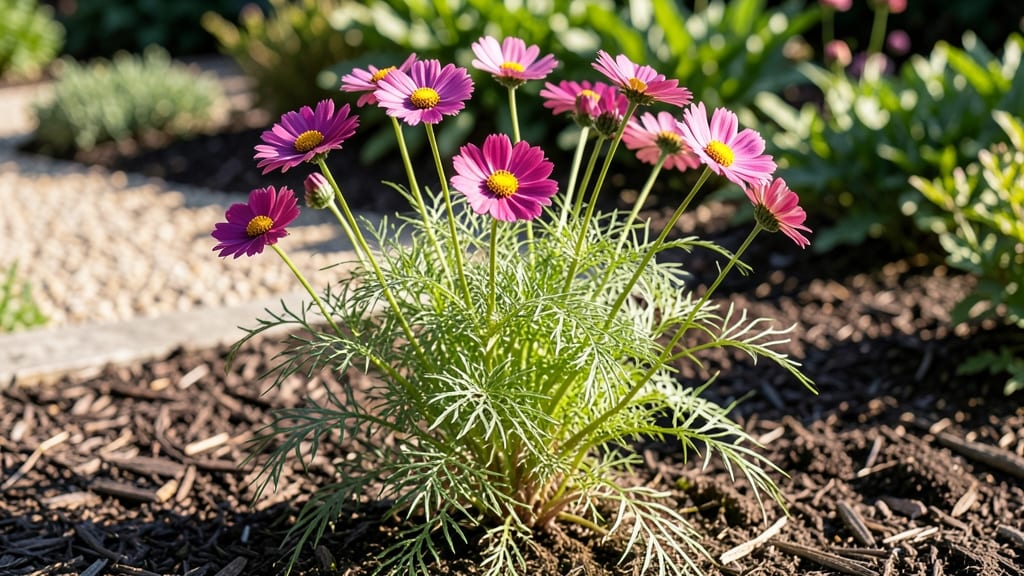
Coreopsis blooms from late spring through fall 🌼, but the exact timing depends on your hardiness zone and the variety you choose.
Picture this: you’ve waited all season for your garden to burst into color, only to find your coreopsis blooming later—or worse, barely at all. The difference between a showstopper display and a lackluster patch often comes down to knowing the right bloom window for your specific plants and location.
In zones 3–10, most coreopsis varieties kick off their flowering in June and keep going until September, but some early bloomers like 'Moonbeam' can start as early as May, while late-season types like 'Zagreb' might linger into October.
The key is matching your plants to your climate and giving them the right care to stretch that bloom time as long as possible.
Below, I’ll break down the exact months each popular variety thrives in your zone, plus simple tricks to extend their flowering—so you can enjoy nonstop color from early summer right through the fall.
Coreopsis bloom time by variety: month-by-month guide for Zones 3-10
Coreopsis is one of my favorite perennial flowers for its long bloom season and low-maintenance nature. But did you know different varieties bloom at different times? Knowing the exact bloom periods for each variety lets you plan a continuous color show from early summer through fall.
Let’s break down the best months for popular coreopsis varieties in USDA Zones 3-10.
Most coreopsis varieties thrive in full sun (6+ hours daily) and well-draining soil, but their bloom times vary. Some start as early as June in Zone 3, while others extend into October in Zone 10.
By mixing early, mid, and late-season types, you can enjoy nonstop blooms for months. Here’s my guide to timing your plantings for the longest possible display.
If you’re in Zones 3-5, focus on planting early bloomers like 'Early Bird' in late spring (after frost) to catch the June-July window. Pair it with 'Moonbeam' for extended color into September.
The cooler northern zones mean shorter growing seasons, so prioritize drought-tolerant varieties that handle heat well once established.
Gardeners in Zones 6-8 have the most flexibility. Start with 'Sunburst' in early spring for May blooms, then add 'Zagreb' for June-October color. The longer growing season lets you mix three varieties for a continuous display.
Just ensure they get well-draining soil to prevent rot in humid summers.
For Zones 9-10, coreopsis is a year-round performer if you choose the right types. Plant 'Grandiflora' in winter for spring blooms, then follow with 'Moonbeam' for May-November color.
The mild winters mean you can extend blooms into December with proper care. I’ve seen 'Sunburst' still flowering in December in Zone 10 with minimal deadheading!
Pro tip: Deadhead spent blooms every 2-3 weeks to encourage new flowers. This works especially well for 'Zagreb' and 'Grandiflora', which can look bare without maintenance. Pair your coreopsis with salvias or coneflowers to create a pollinator-friendly garden that thrives all season.
Remember, soil quality affects bloom time too. Amend heavy clay with compost to improve drainage, and add a slow-release fertilizer in early spring for stronger stems and more abundant blooms. With the right mix of varieties and care, your coreopsis can bloom for 5+ months—far longer than most perennials!
Which variety will you try first? I always start with 'Moonbeam' for its cheerful yellow blooms and long-lasting flowers. It’s a crowd-pleaser that never fails to brighten up my garden beds.
How to extend coreopsis bloom time with simple gardening hacks
Coreopsis plants reward gardeners with cheerful blooms from late spring to early fall, but their natural cycle can feel short-lived. With the right techniques, you can stretch that vibrant season by 4-6 weeks or more.
The secret lies in understanding how to support continuous flowering through proper care and strategic garden design.
I’ve tested these methods in my own garden, where 'Moonbeam' coreopsis now blooms from June through October—double its original season. The key? A combination of regular deadheading, nutrient-rich soil, and smart watering.
Let’s break down the exact steps that work, plus the mistakes that silently sabotage your blooms.
5 Proven Ways to Extend Coreopsis Bloom Time
- Deadhead weekly – Snip spent blooms below the next set of buds to redirect energy to new flowers. Use clean bypass pruners for precision cuts.
- Amend soil with compost – Mix in 2-3 inches of aged compost at planting and top-dress annually. Coreopsis thrives in well-draining, slightly acidic soil (pH 6.0-7.0).
- Water deeply 2x/week – Soak the root zone (6-8 inches deep) in the morning to prevent fungal issues. Let soil dry slightly between waterings to avoid root rot.
- Plant with catmint or lavender – These drought-tolerant companions repel pests like aphids while improving soil structure. Avoid heavy feeders like petunias that compete for nutrients.
- Fertilize lightly in spring – Use a balanced 5-10-10 fertilizer at half-strength when new growth appears. Over-fertilizing promotes foliage over flowers.
One of the biggest mistakes gardeners make is skipping deadheading until blooms fade completely. By then, the plant has already shifted energy to seed production. I catch mine early—as soon as petals droop—and my coreopsis responds with new buds within 7-10 days.
Another pitfall? Overwatering in summer. Coreopsis is drought-tolerant; soggy soil triggers powdery mildew and stunted growth.
For maximum impact, pair your coreopsis with late-blooming varieties like 'Little Becka' (compact, June-Sept) or 'Grandiflora' (tall, July-Oct). These create a staggered bloom sequence, ensuring your garden stays colorful from early summer to frost. Just avoid planting near aggressive spreaders like daylilies, which can crowd out your coreopsis.
Pro tip: If your coreopsis blooms taper off in late summer, give it a light trim (1/3 of height) in early September. This rejuvenates growth and often triggers a second flush of flowers before winter.
Just remember—never cut into old wood (woody stems), as this can harm next year’s blooms.
With these adjustments, your coreopsis will outperform expectations, turning a 3-month bloom season into a 5-6 month spectacle. The best part? These hacks require minimal effort but deliver maximum visual payoff—exactly what I love about gardening! 🌼