
Blooming
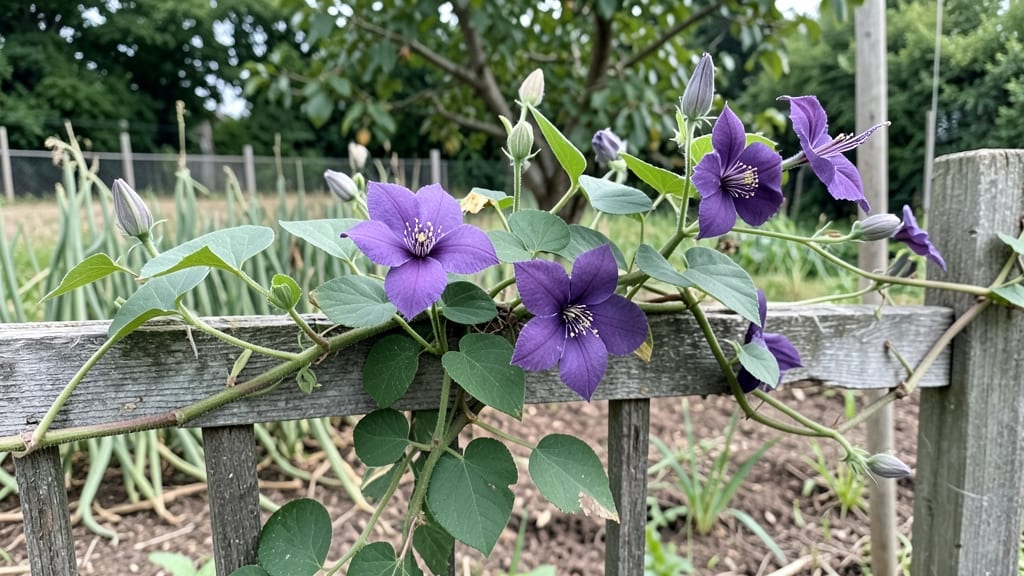
Clematis blooming season typically spans late spring through early summer (May to July) for most varieties, though some early types bloom in April and late-bloomers extend into September. Pruning groups and climate zones influence timing, with proper care maximizing flower duration.
Understanding your clematis’s specific group is key to predicting its bloom window—early types like Clematis montana often burst into flowers in April, while late bloomers such as Clematis 'Jackmanii' may linger until September. 🌸 What’s fascinating is how climate plays a role: cooler regions might push blooms later, while warmer zones can trigger earlier flowering.
For gardeners, this means timing pruning and fertilizer applications to align with natural growth cycles for the longest display possible.
Beyond timing, soil health and sunlight exposure can dramatically shift bloom duration. I’ve found that adding a balanced phosphorus-rich fertilizer in early spring encourages stronger root development, which translates to more abundant flowers.
Meanwhile, ensuring 6 hours of direct sunlight daily—without scorching—helps sustain blooms longer. The trick is balancing care with the plant’s natural rhythm, not forcing it into an unnatural schedule.
💡 In This Article
- Clematis Flowering Groups and Their Exact Bloom Times
- Natural Techniques to Prolong Clematis Flowering Periods
Clematis flowering groups and their exact bloom times
Clematis varieties are categorized into three pruning groups based on their bloom timing and growth habits.
Group 1 blooms on previous year's wood in early spring (March-April), Group 2 blooms on current year's growth in late spring (May-June), and Group 3 produces two flushes of flowers—once on old wood (spring) and again on new wood (late summer).
This classification explains why some varieties like Clematis montana (Group 1) burst into bloom before most gardeners even think about pruning, while others like Clematis viticella (Group 2) wait until summer.
The exact bloom windows shift with climate zones. In USDA Zone 5, Group 1 clematis typically flowers in late April to early May, while in Zone 8**, blooms may start as early as March due to warmer winters.
Group 2 varieties in cooler regions often bloom 2-3 weeks later than their southern counterparts. Temperature thresholds matter too—most clematis need daytime highs of at least 60°F to trigger flowering, which is why late-season frosts can delay blooms in northern gardens. 🌿
What makes Group 3 varieties like 'Jackmanii' so special is their dual-flowering nature. The first bloom occurs on old wood in spring, followed by a second flush on new growth in August-September.
This happens because the plant's growth cycle resets after the initial bloom, allowing for a second flowering opportunity. The key factor here is consistent moisture and nutrient availability—skipping either can reduce or eliminate the second bloom.
Gardeners in Zone 7 and warmer often see more reliable second blooms because the growing season extends longer.
Regional adjustments are crucial for maximizing bloom duration. In Pacific Northwest climates, where summers are mild, Group 2 clematis might bloom continuously from June through August if given proper care.
Meanwhile, in Midwest gardens, the same varieties might show a more concentrated bloom period of just 3-4 weeks due to summer heat stress. The solution?
Mulching to maintain even soil temperatures and providing afternoon shade during peak summer months can help extend the bloom window by 2-3 weeks in hotter regions.
Understanding these patterns helps gardeners plan their pruning and care schedules. For example, Group 1 varieties should never be pruned until after their spring bloom, while Group 2 and 3 types benefit from late-winter pruning to encourage strong new growth.
The science behind this involves photoperiodism—the plant's response to daylight length—which triggers flowering hormones. In shorter-day climates, some varieties may produce smaller blooms or flower later than their genetic potential suggests.
One fascinating exception is Clematis 'Niobe', which blooms on both old and new wood simultaneously. This variety can produce flowers from May through October if given ideal conditions.
The secret lies in its genetic makeup, which allows it to respond to multiple seasonal cues rather than relying on a single growth cycle. For most gardeners, this means selecting varieties that match their local climate patterns and bloom preferences—whether they want early spring color or late-summer interest.