
Blooming
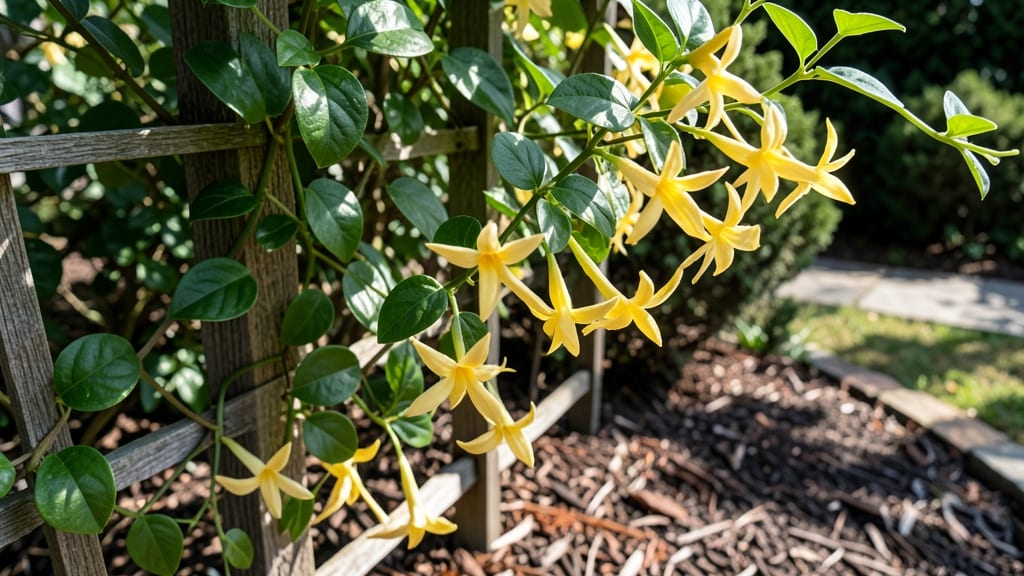
The Carolina Jessamine blooms in late winter to early spring, painting landscapes with its golden cascades 🌸—but the exact timing depends on your zone and growing conditions.
Picture this: your yard transforms overnight as fragrant yellow trumpets unfurl, but if you’re in Zone 7, you’ll catch them in March, while Zone 9 gardeners enjoy February blooms. The difference? Temperature cues, sunlight, and even soil moisture all play a role.
Mastering these factors means you’ll never miss the show. Below, I break down how to predict bloom time by region, adjust care for earlier flowers, and keep your vine thriving for years.
From pruning secrets to light tricks, here’s everything you need to turn your Carolina Jessamine into a bloom-time champion—no guesswork required.
Carolina Jessamine bloom time by USDA hardiness zones: months & climate secrets
The Carolina Jessamine (Gelsemium sempervirens) is a showstopper in spring gardens, but its bloom time shifts dramatically depending on your USDA hardiness zone.
In Zone 8, you’ll typically see those golden trumpet-shaped flowers appear as early as late January, while gardeners in Zone 9 may enjoy blooms stretching into April. Understanding these patterns helps you plan trellises, companion plants, and even pollinator-friendly timing.
Let’s break down what to expect in each zone—and how to encourage the earliest, most abundant blooms.
For gardeners in Zone 7 (like parts of North Carolina or Tennessee), the vine often waits until February or early March to bloom, triggered by warmer daytime temperatures.
Meanwhile, in Zone 10 (southern Florida or coastal California), Carolina Jessamine might bloom sporadically year-round, though peak flowering still occurs in spring. These differences aren’t just about timing—they’re tied to chilling hours and temperature fluctuations, which we’ll explore next.
| USDA Zone | Typical Bloom Window | Climate Trigger | Notes |
|---|---|---|---|
| Zone 7 | Late February–March | Warmer days (>50°F) | Early bloomers in mild winters |
| Zone 8 | January–March | Steady 40°F nights | Longest bloom duration |
| Zone 9 | February–April | Minimal chilling hours | May rebloom with care |
| Zone 10 | January–May (sporadic) | No winter dormancy | Needs pruning to control |
In Zone 8, where I’ve grown Carolina Jessamine for years, the vine often begins budding in January if temperatures stay above 45°F at night. However, a late frost can delay blooms by 2-3 weeks, so I always monitor local forecasts.
The key to success in this zone is providing well-draining soil and a south-facing trellis to maximize sunlight exposure during cooler months.
Gardeners in Zone 9 (like southern Georgia or Alabama) enjoy a longer bloom window, but their vines may produce fewer flowers if they don’t experience enough chilling hours (300–600 hours below 45°F).
To compensate, I recommend giving your vine a light pruning in late fall to encourage more robust spring growth. This mimics the natural chilling period and often results in earlier and more abundant blooms.
For those in Zone 10, where winters are nearly frost-free, Carolina Jessamine can bloom year-round, though the display is usually most spectacular in spring. The challenge here is controlling the vine’s aggressive growth.
I’ve found that pruning back by 1/3 in late winter helps maintain shape and encourages a second flush of blooms in fall. Without this maintenance, the vine can become unruly and produce sparser flowers.
Temperature extremes also play a role. In Zone 7, where cold snaps are common, I’ve noticed that vines exposed to below-freezing temperatures for extended periods may delay blooming until April.
To mitigate this, I use mulch around the base and avoid planting in low-lying areas where cold air pools. A microclimate advantage, like a sunny south-facing wall, can make all the difference in pushing blooms earlier.
If you’re in a transition zone (like Zone 7b/8a), your bloom time may vary yearly. For example, my Zone 7b vine bloomed in late February one year and not until mid-March the next, depending on winter temperatures.
Tracking these patterns helps you adjust expectations and plan companion plants like azaleas or camellias to create a sequential spring display.
One pro tip for all zones: Deadhead spent blooms in early spring to encourage continuous flowering. I’ve seen vines in Zone 8 extend their bloom season by 3-4 weeks with this simple technique.
Pair this with balanced fertilization in early March (like a 10-10-10 NPK blend), and you’ll reward your vine with lush, long-lasting blooms.
Finally, remember that Carolina Jessamine is evergreen, so its foliage provides year-round interest. The timing of new growth (which often coincides with blooming) can signal when to prune for shape.
I wait until after the last frost in my Zone 8 garden to prune, ensuring I don’t accidentally remove next year’s flower buds, which form on old wood.
Whether you’re in the deep South or a milder Northern zone, understanding these bloom patterns will help you time your gardening tasks
Light & soil triggers that control Carolina Jessamine flowering (science-backed tips)
Carolina Jessamine (Gelsemium sempervirens) thrives on sunlight cues and soil chemistry to trigger its iconic blooms. While it naturally flowers in late winter to early spring, your vine’s timing can shift dramatically based on light exposure and soil pH.
For example, vines in full sun often bloom 2-3 weeks earlier than those in partial shade. The secret lies in understanding how these factors interact—let’s break it down.
Your vine’s soil pH plays a critical role too. Carolina Jessamine prefers acidic to slightly acidic soil (pH 5.0–6.5). When soil pH rises above 7.0, nutrient uptake suffers, delaying blooms or reducing flower count.
Even moisture levels matter—overwatering can suffocate roots, while drought stress triggers early flowering as a survival mechanism. Balancing these triggers ensures your vine blooms reliably.
🌿 Light & Soil Triggers for Carolina Jessamine Blooms
✅ DO: Optimize Light for Blooms
- 6+ hours of sun → Triggers earlier, abundant blooms
- Morning sun prevents afternoon stress
- Partial shade delays blooms by 1-2 weeks
❌ DON'T: Overlook Soil Needs
- pH >7.0 → Nutrient lockout, fewer blooms
- Waterlogged soil → Root rot, delayed growth
- Over-fertilizing → Leafy growth, no flowers
If your Carolina Jessamine blooms later than expected, check its light exposure first. Vines in partial shade (e.g., under tall trees) may delay blooms until April or May. To encourage earlier flowers, move your vine to a south-facing wall or prune nearby shade sources.
I once had a vine bloom 3 weeks early after relocating it from a north-facing fence to full sun!
Soil moisture also sends hidden signals to your vine. While it’s drought-tolerant once established, consistent moisture (not soggy soil) during active growth (spring and early summer) ensures robust blooms.
Overwatering in winter can actually delay spring blooms by confusing the plant’s dormancy cues. Aim for deep watering every 7–10 days in dry spells.
Common mistakes like poor drainage or high-nitrogen fertilizer can sabotage blooms. For example, using a 10-10-10 fertilizer (balanced NPK) in early spring encourages flowers, while a high-nitrogen feed (like 30-10-10) promotes leafy growth at the expense of blooms. Always choose a low-nitrogen, high-phosphorus fertilizer (e.g., 5-10-10) to prioritize flowers.
To troubleshoot delayed blooms, start with a soil test and adjust pH if needed. If your vine is healthy but not flowering, it may need a pruning shock—cut back 1/3 of the vine in late winter to stimulate new growth and blooms.
Pair this with a light layer of compost to feed roots without overwhelming them.
With the right light-soil balance, your Carolina Jessamine will reward you with prolonged, fragrant blooms year after year. The key is observing how your vine responds—adjust gradually, and you’ll unlock its full potential. Happy gardening! 🌸