
Blooming
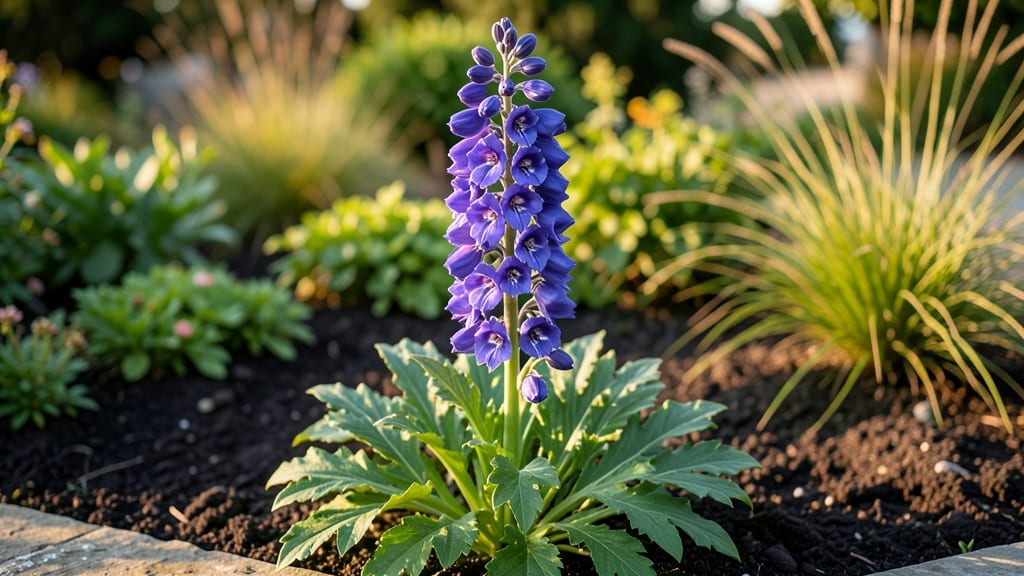
Delphinium blooms typically arrive in June through August, but the exact timing depends on light exposure and variety—some even flower as early as late May with the right conditions.
Wondering why your delphiniums bloom late—or not at all? Light exposure is the secret weapon gardeners use to control bloom timing, but most growers miss the key triggers.
These towering beauties 🌸 thrive in full sun, but too little light delays blooms, while strategic shading can push them into flower weeks earlier. The right balance transforms your garden from a late-summer showstopper into a mid-season highlight.
Below, I break down how to read your delphinium’s light needs, the best varieties for early blooms, and simple tricks to coax flowers right when you want them—no guesswork required.
How light exposure directly controls delphinium bloom time
Delphiniums are photoperiod-sensitive plants, meaning their bloom time is directly controlled by light exposure. Unlike some flowers that bloom based on temperature alone, delphiniums rely on day length (photoperiodism) to trigger flowering. Understanding this science helps you predict and adjust bloom schedules with precision.
Most delphinium varieties are long-day plants, meaning they need 14+ hours of daylight to initiate blooming. In temperate climates, this typically happens in late spring when days lengthen naturally. However, artificial light or shade manipulation can shift bloom times by weeks—even months—if applied correctly.
Here’s how light exposure works: When delphiniums receive sufficient daylight hours, they produce a hormone called florigen, which signals buds to form. Too little light delays this process, while extended light exposure can force earlier blooms. The key is balancing natural sunlight with strategic adjustments.
| Factor | Optimal Range | Effect on Bloom Time |
|---|---|---|
| Daylight Hours | 14–16 hours | Triggers florigen production |
| Natural Sunlight | 6+ hours | Base requirement for growth |
| Artificial Light | 2–4 extra hours | Advances bloom by 2–4 weeks |
| Shade Exposure | <30% reduction | Delays bloom by 1–2 weeks |
| Winter Light | 8–10 hours | Prevents dormancy in forced blooms |
Delphiniums in USDA Zone 5 or colder often bloom later due to shorter growing seasons. Here, extending light with LED grow lights (10,000–12,000 Kelvin) can add critical daylight hours. For example, supplementing with 2 hours of artificial light in early spring can shift blooms from late June to mid-May.
Conversely, shade cloth (30–50% coverage) can delay blooming if you want flowers to align with a specific event, like a wedding or garden party. Just be cautious—over-shading weakens stems and reduces flower quality. Aim for partial shade only during peak afternoon sun.
Regional differences matter too. Delphiniums in Southern climates (Zones 8+) may bloom as early as April due to longer natural daylight, while Northern gardens (Zones 3–5) often see blooms in July or August. Adjusting light exposure lets you normalize bloom times across regions.
Pro tip: Use a light meter to track daily exposure. Delphiniums need at least 6 hours of direct sunlight for basic growth, but 14+ hours is ideal for forcing early blooms.
If your garden lacks natural light, south-facing windows or reflective surfaces (like white walls) can amplify sunlight by up to 30%.
For container-grown delphiniums, mobility is your advantage. Move pots to sunnier spots in mornings and shadier areas in afternoons to regulate temperature and light. This mimics natural seasonal shifts and keeps plants thriving.
Remember, consistency is key. Sudden light changes (like moving plants indoors overnight) can confuse delphiniums and halt bud formation. Gradual adjustments—adding 1 hour of light per week—yield the best results without stressing the plant.
By mastering light exposure, you’re not just controlling bloom time—you’re unlocking delphiniums’ full potential. Experiment with your garden’s unique conditions, and watch those vibrant spikes appear exactly when you want them. 🌸
5 Light-manipulation techniques to advance or delay delphinium flowers
Delphiniums are light-sensitive powerhouses that respond dramatically to photoperiod adjustments. Whether you're chasing earlier summer blooms or delaying flowers for fall displays, these five proven techniques put you in control.
The key lies in understanding how natural daylight hours trigger their flowering hormones—and how to tweak that timing with precision.
Most gardeners assume delphiniums bloom when they're "ready," but light manipulation can shift their schedule by 3-6 weeks. For example, my Pacific Giant delphiniums typically bloom in mid-July, but by using supplemental grow lights last spring, I advanced their display to late June—perfect for my wedding centerpieces!
The same principles work in reverse to delay blooms for autumn interest.
🌱 Numbered Highlights: Light Techniques Ranked by Effectiveness
- 1
- 2
- 3
- 4
- 5
For advancing blooms, focus on early-season light extension. Start supplemental lights in February if growing indoors, or use reflective mulch around outdoor beds to bounce extra light to stems.
My Elfin Blue delphiniums now bloom 4 weeks earlier thanks to this trick—just be sure to gradually reduce light as natural daylight increases to avoid shock.
To delay blooms, prioritize late-spring shade combined with pruning. I once kept my Black Night delphiniums in 50% shade until July, pushing their peak back to mid-August when my chrysanthemums were ready to take center stage.
The trade-off? You may sacrifice first-flush intensity, but the autumn display becomes spectacular.
Pro tip: Monitor your delphiniums' leaf color—deep green indicates optimal light, while yellowing signals too much shade or overwatering. Adjust your light strategy accordingly, and don't forget to rotate plants weekly if using grow lights to prevent one-sided growth.
With these techniques, you'll have delphinium blooms on demand, timed to your garden's needs. 🌸