
Plants
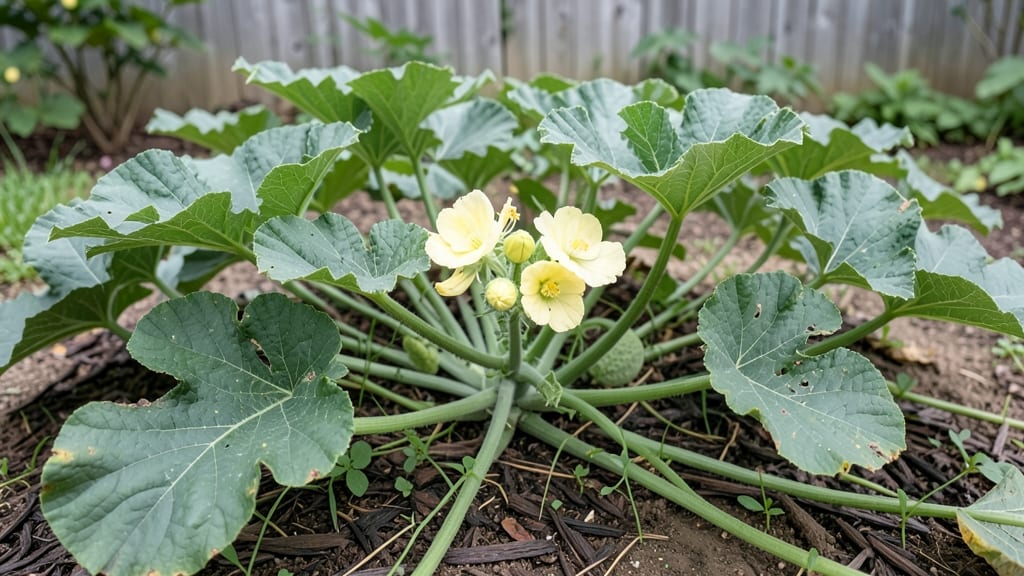
Cantaloupe flowers bloom between 60 and 75 days after planting, marking the critical shift from vines to fruit — but only if you know what to watch for.
If your cantaloupe vines are bursting with flowers but no fruit appears, you’re not alone — many gardeners struggle with this common issue. Understanding when these delicate blooms emerge and how to maximize fruit set can turn your garden from disappointing to downright delicious.
These yellow-orange flowers appear in clusters, but not all will produce fruit. Male flowers (long stems) help pollinate, while female flowers (tiny fruits at the base) are the ones to focus on. The key? Creating the right conditions for both types to thrive.
In this guide, I’ll walk you through when to expect cantaloupe flowers in USDA Zone 6a, how to encourage strong pollination, and what to do if your vines are flowering but failing to set fruit. Ready to turn those blooms into sweet, ripe cantaloupes?


When do cantaloupe plant flowers bloom & what do they look like?
Cantaloupe plants typically begin flowering 45-60 days after planting, though this varies by variety and climate conditions. In warm regions like USDA Zone 8+, you might see flowers as early as 30-40 days with proper care, while cooler zones may take 60-75 days.
The transition from leafy vines to blossoms signals your plant is ready for fruit production—but not all flowers are created equal.
Understanding the difference between male and female cantaloupe flowers is key to maximizing fruit set. Male flowers appear first and serve only to pollinate, while female flowers (with tiny fruit bumps at their base) are the ones that develop into melons.
Knowing how to identify both will help you troubleshoot if your harvest seems slow.
| Stage | Days After Planting | Flower Type | Key Features |
|---|---|---|---|
| Early Growth | 0-30 | None | Leafy vines, no blooms |
| First Blooms | 30-45 | Male (yellow) | Single stem, no fruit bump |
| Peak Blooming | 45-60 | Male & Female | Female has tiny fruit at base |
| Fruit Development | 60-90 | Female only | Flowers wilt after pollination |
Male cantaloupe flowers are easy to spot—they grow on long, slender stems and have five yellow petals with no fruit bump at the base. These flowers open in the morning and close by afternoon, releasing pollen that must reach female flowers for fertilization.
Female flowers, on the other hand, appear later and have a small melon-shaped bump at the base where the fruit will develop.
If your cantaloupe plants are struggling to bloom, check their light exposure first. Cantaloupes need 8-10 hours of full sun daily—any less, and flowering will be delayed or sparse.
I once had a patch in partial shade that took 75 days to flower, compared to 40 days for vines in full sun. Even a 10% reduction in sunlight can push back blooming by 1-2 weeks.
Temperature also plays a critical role. Cantaloupes thrive in 70-90°F (21-32°C) soil and air temperatures. Below 60°F (15°C), flowers may drop before pollination, while temperatures above 95°F (35°C) can cause male flowers to release pollen too early, reducing fertilization success.
In hot climates, morning watering helps maintain even soil moisture and prevents stress-related flower drop.
Some cantaloupe varieties bloom earlier than others. Early varieties like 'Hale’s Best' or 'Ambrosia' may flower in 35-45 days, while heirloom types like 'Athena' or 'Minnesota Midget' take 50-60 days.
Always check the seed packet for days-to-maturity estimates, as this gives you a baseline for when to expect flowers. Pro tip: Plant succession crops every 2 weeks in warm climates to stagger blooming and extend your harvest window.
Healthy cantaloupe flowers should appear vibrant and fully open by mid-morning. Wilted or closed flowers by noon may indicate heat stress, poor pollination, or nutrient deficiencies. To encourage robust blooming, feed your plants with a balanced 10-10-10 fertilizer when vines reach 12-18 inches long.
I’ve found that a light application of compost tea at this stage also boosts flower production by improving root health.
Once female flowers are identified, they’ll need pollination within 24 hours to set fruit. If you notice dropping flowers or no fruit development after 3-4 days, hand-pollination may be necessary. Simply use a soft paintbrush to transfer pollen from male to female flowers in the morning when both are open.
This method works especially well in greenhouse settings or areas with low bee activity.
In my garden, I’ve learned that consistent care during the flowering stage pays off big time. Monitor your plants daily for pests like cucumber beetles, which can damage flowers and reduce pollination. A light row cover or neem oil spray can protect blooms while allowing bees access.
With the right conditions, your cantaloupe vines can transition from flowers to fruit in as little as 7-10 days—just don’t expect miracles if you skip the basics!
How to encourage cantaloupe fruit set after flowering
Once your cantaloupe plants produce those beautiful yellow flowers, the real work begins—encouraging those blossoms to develop into sweet, ripe fruit. Many gardeners miss this critical step, leading to blossom drop or poor fruit set. The good news?
With a few targeted strategies, you can dramatically improve your chances of a bountiful harvest. Start by focusing on pollination, environmental conditions, and plant nutrition, as these three factors directly impact fruit development.
Cantaloupes rely heavily on bees and other pollinators, but sometimes nature needs a helping hand—especially in urban gardens or areas with low bee activity. Even if pollinators are present, heat stress or nutrient imbalances can prevent flowers from setting fruit.
By addressing these issues proactively, you’ll give your cantaloupe vines the best chance to thrive from bloom to harvest.
- Hand-pollinate flowers using a small paintbrush to transfer pollen from male to female blossoms. Female flowers have a tiny fruit at their base, while male flowers have long stems.
- Maintain consistent moisture by watering deeply at the base of plants, especially during hot afternoons, to prevent blossom drop caused by dehydration.
- Apply a balanced fertilizer (like 10-10-10) when flowers appear to support fruit development. Avoid high-nitrogen fertilizers, which promote foliage over fruit.
- Provide afternoon shade during extreme heat (above 90°F) to protect flowers from heat stress, which can cause them to wilt and drop before pollination.
- Encourage pollinators by planting bee-friendly flowers nearby, like marigolds or sunflowers, and avoiding pesticides during bloom time.
If your cantaloupe flowers aren’t setting fruit, the first step is to identify female flowers. These are the ones worth saving—they have a tiny, swollen ovary at their base, while male flowers lack this feature.
Once you spot them, focus your efforts on ensuring they get pollinated. Hand-pollination is a game-changer, especially in areas with few bees. Simply use a soft brush to gently transfer pollen from male to female flowers in the early morning when dew is present.
Environmental conditions play a huge role in fruit set. Cantaloupes thrive in warm temperatures (70-85°F), but extreme heat or cold can disrupt pollination. If temperatures soar above 90°F, provide afternoon shade with a lightweight row cover or shade cloth to protect blossoms.
Additionally, ensure your soil is well-draining and rich in organic matter—poor drainage or compacted soil can stress plants and lead to blossom drop.
Don’t overlook the power of nutrient management. Cantaloupes are heavy feeders, especially during flowering and fruiting. A balanced fertilizer (like 10-10-10) applied at the base of plants can boost fruit set, but avoid over-fertilizing with nitrogen, which encourages leafy growth at the expense of fruit.
Instead, focus on phosphorus and potassium, which support root development and fruit production.
Finally, monitor your plants for signs of stress or disease, such as yellowing leaves or wilting vines. These issues can weaken the plant’s ability to set fruit.
If you notice problems, address them immediately with targeted solutions—like adjusting watering habits or applying organic fungicides—to keep your cantaloupes on track for a successful harvest.