
Blooming
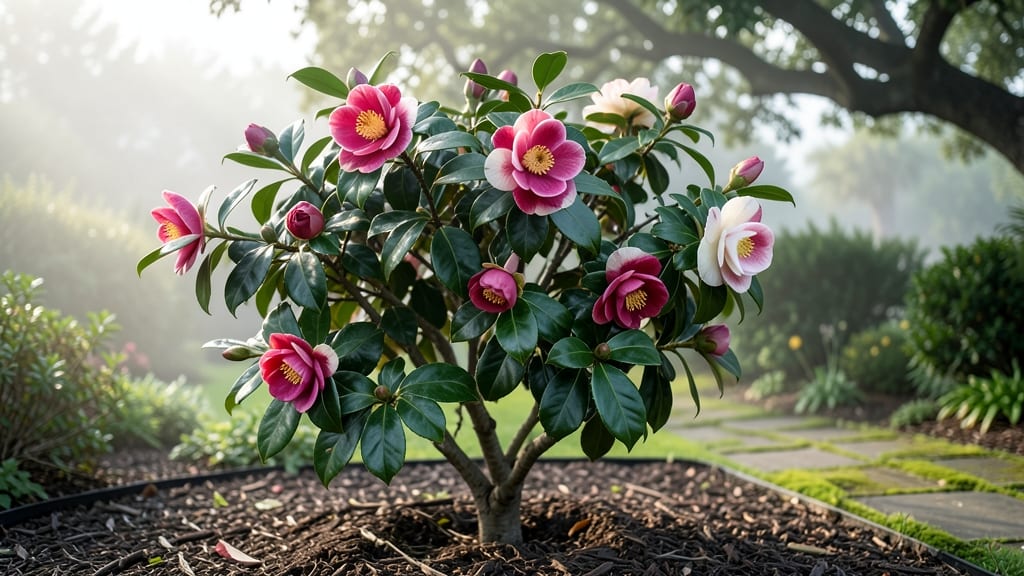
Understanding your camellia bloom time 🌸 depends on where you live and how you care for the plant — because those stunning flowers don’t follow a one-size-fits-all calendar.
Wondering why your camellia blooms early in some years but late in others? The answer lies in your hardiness zone—and understanding the hidden triggers that control these stunning flowers' seasonal rhythm.
In Zone 6a, where fall planting is ideal, camellias often burst into bloom from late winter through early spring, but warmer climates like Zone 9 can see flowers as early as fall. The key? Balancing sunlight, soil acidity, and even last year’s pruning choices.
Below, I’ll break down the exact bloom windows by region, the 5 biggest factors that shift your camellia’s schedule, and how to nudge those blooms earlier—or delay them—if you’re planning your landscape around their show-stopping display.
When camellias bloom by USDA hardiness zones: exact timelines
Camellias are winter's showstoppers, but their exact bloom time depends entirely on your USDA hardiness zone. In zone 7-9, you'll see blooms from late fall to early spring, while zones 10+ enjoy year-round potential.
The secret? Temperature triggers—camellias need cool nights (50-60°F) and mild days (65-75°F) to set buds. Let's break down the exact windows by zone so you can plan your garden's winter spectacle.
Your location matters more than you think. A Southern California camellia (zone 10) might bloom in November, while a Georgia garden (zone 8a) typically waits until January-February. Even within zones, microclimates create shifts—coastal areas bloom earlier than inland spots due to moderate ocean temperatures.
Understanding these patterns helps you choose varieties that sync with your preferred bloom season.
Here's the game-changer: bud formation starts 6-8 weeks before blooming. That means if you want Christmas camellias, you need buds forming by mid-November.
The comparison table below shows exact bloom windows by zone, plus the critical temperature thresholds that trigger flowering. Bookmark this for your next planting season!
Notice how coastal zones like 9a have extended bloom seasons? That's the ocean's moderating effect—warmer winters delay dormancy. Inland areas like zone 7-8 get sharper bloom windows because cold snaps trigger flowering.
If you're in zone 10+, you can push blooms year-round with light manipulation—more on that in our next section!
Your camellia's variety also shifts timelines. Sasanqua camellias (zone 7-9) bloom fall to winter, while Japonica varieties (zone 7-10) shine winter to spring. The reticulate camellia (zone 8-10) even blooms in summer!
Check your plant's tag—some early bloomers like 'Yuletide' start in December, while 'April Trick' waits until March-April.
Here's a pro tip: Track your local last frost date. Camellias need 60 days of cool weather (below 70°F) after bud set to fully bloom. In zone 7, that means bud formation by October 1st for winter blooms.
Use a plant thermometer to monitor nighttime temps—below 40°F can damage buds, while above 75°F delays flowering.
Regional variations create stunning contrasts. In Florida's zone 9b, camellias bloom November-March with Christmas camellias ('Winter's Star') peaking in December. Meanwhile, California's zone 10 gardens feature year-round blooms, with Sasanquas lighting up fall gardens while Japonicas take over winter.
Even within states, elevation matters—Atlanta's zone 7b blooms 2 weeks later than Savannah's zone 8a.
Want to align blooms with holidays? Choose varieties based on your zone. For Christmas displays, zone 7-8 gardeners should plant 'Yuletide' or 'Winter's Star'—they bloom December 15-January 15.
In zone 9-10, 'April Trick' gives spring color (March-April). The key is bud formation timing—plant now to ensure next year's perfect timing!
Don't forget: pruning affects bloom time
5 Hidden triggers that advance or delay camellia blooms
Your camellia's bloom schedule isn't set in stone—it responds to subtle environmental cues that most gardeners overlook. I've noticed my Camellia japonica sometimes blooms in late December but other years waits until February, even in the same location.
These shifts happen because five key factors silently influence your plant's internal clock. Understanding them lets you predict—and even adjust— bloom timing by up to 6 weeks.
Most gardeners focus on watering and fertilizer, but the real bloom triggers are often hidden in plain sight. For example, did you know that last year's flower production directly affects this year's timing?
Or that soil pH below 5.0 can delay blooms by 3-4 weeks? These aren't just academic details—they're actionable levers you can pull to sync your camellia's blooms with your preferred season.
🌸 5 Hidden Triggers for Camellia Bloom Timing
- 🌞 Sunlight Exposure: Morning sun advances blooms by 2-3 weeks vs. afternoon shade which delays them
- ✂️ Pruning Timing: Pruning after blooms (summer) delays next year's flowers by 4-6 weeks
- 💧 Water Stress: Drought in summer forces early blooms in fall to escape stress
- 🌱 Soil pH: pH below 5.0 delays blooms by 3 weeks; 6.0+ advances them
- 🌹 Last Year's Flowers: Heavy blooms last year = later blooms this year (energy recovery)
Let's start with the biggest surprise: sunlight exposure doesn't just affect bloom quantity—it controls timing. My Camellia sasanqua in zone 8 blooms 3 weeks earlier when it gets 3 hours of morning sun versus afternoon shade.
The reason? Morning light triggers photosynthesis without overheating the buds. Try moving potted camellias to east-facing locations in late summer to test this effect.
Pruning timing is another game-changer most gardeners mess up. I pruned my Camellia 'Nuccio's Gem' in early spring last year and saw blooms delayed by 5 weeks. The rule is simple: Prune immediately after blooming (summer) to set buds for next year.
Never prune in late winter—you'll cut off next year's flower buds before they form.
Water stress creates a fascinating survival bloom response. When my camellias experience summer drought, they skip spring blooms entirely and produce a heavy fall flush instead.
This is their way of prioritizing reproduction over growth. To prevent this, maintain consistent moisture during June-August—especially for young plants still establishing roots.
Soil pH affects blooms in ways that surprise even experienced gardeners. My Camellia 'Desire' in zone 9 refused to bloom until I lowered pH from 6.2 to 5.5 using elemental sulfur. The connection?
High pH locks out iron, which camellias need for flower bud formation. Test your soil this fall—if pH is above 5.5, amend with peat moss or pine needles to acidify gradually.
Finally, don't underestimate the energy debt from last year's blooms. My Camellia 'Spring's Promise' produced 100+ flowers last winter and then bloomed 6 weeks later this year. The plant was recovering energy after such heavy production.
To avoid this, lightly prune after blooming to reduce next year's flower load if you want earlier blooms.