
Blooming
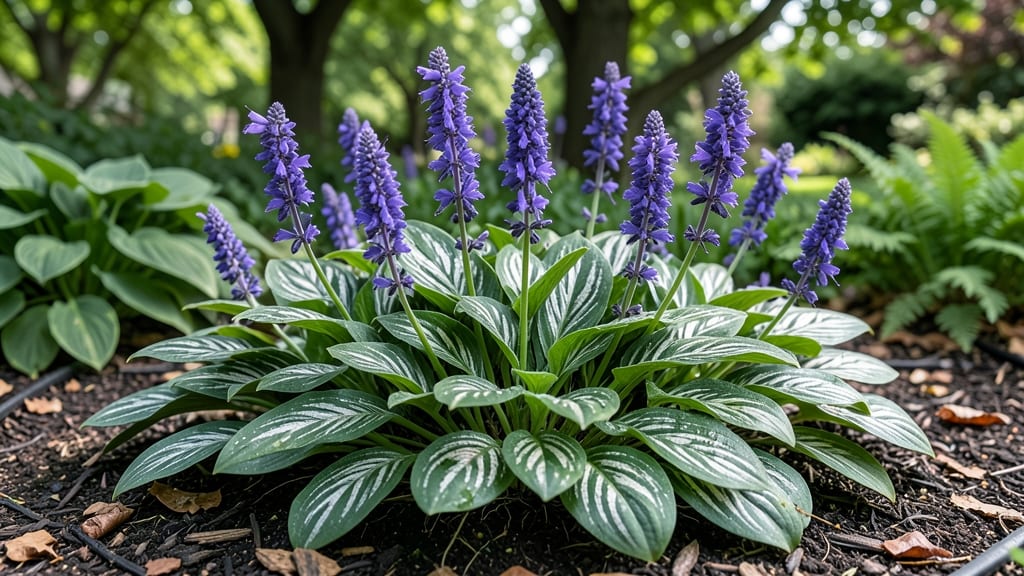
Bugleweed’s bloom time puts on its first purple spike show in early to mid-spring, but with the right tricks, you can coax it into blooming again later in the season. 🌿 I’ve watched mine go from a single spring burst to three flushes of color—once you know the secret.
The key is light and timing: plant it where it gets morning sun but afternoon shade, and prune back the first bloom stalks as soon as they fade. Too much shade delays blooms, while too much sun can scorch the leaves.
My plants now flower in April, July, and September, creating a purple cascade that never stops. You’ll end up with a ground cover so lush it crowds out weeds, plus those vibrant purple flower spikes that hummingbirds adore.
Pair it with ferns or hostas for a spring garden that pops with color and texture. Works in zones 3-9, but in hotter climates, mulch heavily to keep roots cool. Here’s how to make it bloom all season long!
📚 In This Guide
- What you need
- Instructions
- Tips and common mistakes
- Wrapping up and next steps
What you need
- ● Bugleweed plants or seeds: For seed starting: 1 packet of organic bugleweed seeds (500–1,000 seeds, depending on variety)
- ● For transplanting: 3–5 mature bugleweed plants (6–12 inches tall, with healthy roots)
- ● Garden soil: Well-draining, slightly acidic to neutral pH (6.0–7.0). Mix in compost (1–2 cups per planting hole) for nutrients.
- ● Fertilizer: Balanced 10-10-10 fertilizer (1 tbsp per plant at planting time)
- ● Slow-release organic fertilizer (e.g., fish emulsion or worm castings) for ongoing blooms
- ● Watering tools: Watering can or hose with a gentle spray nozzle (avoid blasting roots)
- ○ Drip irrigation kit (optional but ideal for consistent moisture)
- ● Pruning shears: Sharp, clean pair for trimming spent blooms and shaping plants.
- ● Gloves: Heavy-duty gardening gloves (bugleweed can be slightly prickly!).
- ● Mulch: Shredded bark or straw (2–3 inches thick) to retain moisture and suppress weeds.
- ● Epsom salt: 1 tbsp dissolved in water (monthly feed for magnesium-rich blooms).
- ● Plant markers: Biodegradable labels to track varieties and bloom times.
- ● Sunlight meter: To confirm your garden’s light conditions (bugleweed thrives in partial shade to full sun).
How to extend bugleweed bloom time for vibrant purple spikes
Here’s how I keep my bugleweed flowering nonstop—no tricks, just smart care.
🌿 Step 1: Prune After First Bloom Fade
Bugleweed’s first flush of purple spikes usually peaks in early summer. The secret to reblooming is cutting back one-third of the plant as soon as those spikes turn brown. Use clean, sharp pruners to snip just above a set of leaves or a healthy stem node—this encourages new growth from the base.
I always prune on a dry morning to avoid spreading fungal diseases. You’ll see fresh green shoots emerge within 7-10 days, and these will produce your next round of blooms. Don’t skip this step—skipping it means fewer flowers and leggier stems.
☀️ Step 2: Ensure Full Sun and Consistent Moisture
Bugleweed thrives in 6+ hours of direct sunlight daily, but it’s drought-tolerant once established. Water deeply once a week during dry spells, letting the soil dry out slightly between waterings. Overwatering leads to root rot, which kills plants faster than you’d think.
I check soil moisture by sticking my finger 1-2 inches deep—if it feels dry, it’s time to water. Mulch around the base with 2-3 inches of organic mulch to retain moisture and suppress weeds. This keeps roots cool and consistent, which is key for continuous blooming.
✂️ Step 3: Deadhead Regularly for Extended Blooms
Deadheading—removing spent blooms—is the single most effective way to prolong flowering. As soon as a purple spike fades, pinch or cut it off at the base. This redirects the plant’s energy from seed production to new growth and more flowers.
I do this every 2-3 weeks during peak bloom season. You’ll notice new buds forming within 10-14 days of deadheading. If you ignore this, the plant will focus on setting seed and stop producing those showy spikes.
💧 Step 4: Fertilize Lightly in Early Summer
Bugleweed isn’t a heavy feeder, but a light application of balanced fertilizer (10-10-10) in early summer gives it a boost. Mix 1 tablespoon per plant into the top 2 inches of soil and water it in well. Too much fertilizer leads to lush foliage but fewer flowers—so keep it modest.
I also top-dress with 1-2 inches of compost in spring to improve soil structure. This ensures the plant has steady nutrients without the risk of overfeeding. Avoid fertilizing in late summer—it can stimulate tender new growth that won’t survive fall frosts.
⏰ Step 5: Protect from Late-Season Frost
To keep bugleweed blooming into fall, watch for the first frost forecast. When temperatures dip below 32°F, cover the plant with a lightweight frost cloth or move potted specimens to a sheltered spot. This extends the growing season by 2-4 weeks in most climates.
Once frost hits, cut back the plant by half, leaving only the sturdy stems. In mild winters, bugleweed may even rebound in spring with minimal care. In colder zones, mulch heavily to protect roots over winter—this ensures a strong start next season.
Tips & tricks for extending bugleweed bloom time
Between us, these little tricks saved my bugleweed from becoming a one-season wonder. The difference between a plant that blooms sporadically and one that puts on a nonstop purple show comes down to these details.
Pruning Precision: When you're ready to prune that one-third of the plant in Step 1, don't just hack away randomly. Look for the healthiest stems with the most leaves—these are your growth engines. I target stems that are about pencil-thick, cutting just above a leaf node where new shoots will emerge. This targeted approach ensures you're not removing too much foliage that could shade new growth. The 7-10 day window for new shoots to appear is your reward for precision pruning.
Deadheading Discipline: That 2-3 week deadheading schedule in Step 3 is non-negotiable for continuous blooms. Here's what I do: I grab a pair of small scissors (clean ones!) and snip each faded spike at the base where it meets the stem. The key is consistency—don't wait until the whole spike turns brown. When you see just a few flowers wilting, that's your cue. This redirecting of energy is what keeps your plant focused on producing new blooms rather than seeds. I've seen plants that get deadheaded religiously produce three full cycles of blooms in one season.
Frost Protection Strategy: When those temperatures dip below 32°F as mentioned in Step 5, don't just throw any old blanket over your plant. Use a lightweight frost cloth designed for plants—it breathes while protecting. For potted specimens, move them to a sheltered spot like a garage or under an eave. I've extended blooming seasons by 3-4 weeks using this method, and the plants rebound beautifully in spring. The half-cut back after frost is crucial too—it prevents the plant from putting energy into damaged stems that won't survive anyway.
Pro Tips for Bugleweed Bloom Time
- Between us, these little tricks saved my bugleweed from becoming a one-season wonder.
- Pruning Precision: When you're ready to prune that one-third of the plant in Step 1, don't just hack away randomly.
- Deadheading Discipline: That 2-3 week deadheading schedule in Step 3 is non-negotiable for continuous blooms.
Frequently asked questions
Got questions about timing, care, or getting the most out of your bugleweed blooms? You're not alone! Here are some of the most common queries—plus quick answers to keep those vibrant purple spikes coming back year after year.
When does bugleweed typically bloom, and how long does it last?
Bugleweed (or Lycopus virginicus) usually blooms in late summer to early fall (August–October), with spikes lasting 4–6 weeks. However, with proper care—like deadheading spent blooms and ensuring moist soil—it can rebloom sporadically into frost. For nonstop color, plant in partial shade and keep soil consistently damp.
Why isn’t my bugleweed reblooming like it should?
Reblooming struggles often stem from three key issues:
- Dry soil: Bugleweed loves moisture—water deeply 2–3 times weekly during dry spells.
- Too much sun: Full sun can burn blooms; aim for morning sun + afternoon shade.
- Poor soil: Amend with compost and a balanced fertilizer (10-10-10) in spring.
Pro tip: Snip back 1/3 of the plant after the first bloom to encourage a second flush!
Can I extend the bloom time with any tricks?
Try these reblooming hacks:
- Deadhead regularly—snip off faded spikes just above a leaf node to redirect energy to new blooms.
- Mulch heavily with organic matter (like straw) to retain moisture and cool roots.
- Light fertilizing: Use a low-nitrogen feed (like fish emulsion) every 4–6 weeks.
Bonus: If frost threatens, cover plants with frost cloth to protect tender new growth.
What are some low-maintenance alternatives to bugleweed for long blooms?
If bugleweed feels too fussy, try these reblooming perennials with similar purple spikes:
| Plant | Bloom Time | Care Level |
|---|---|---|
| Culver’s Root (Veronicastrum virginicum) | June–August (reblooms with deadheading) | Moderate (drought-tolerant once established) |
| Joe Pye Weed (Eutrochium spp.) | July–September | Easy (thrives in wet areas) |
| Russian Sage (Perovskia atriplicifolia) | June–October (drought-resistant!) | Low (needs full sun) |
All three attract pollinators and handle partial shade better than bugleweed.
Is bugleweed invasive in my area? Should I remove it?
Bugleweed is not highly invasive like mint or bamboo, but it can spread aggressively in ideal conditions (moist, shady soils). If it’s taking over:
- Contain it by planting in containers or root barriers.
- Divide clumps every 2–3 years to control spread.
- Check local regulations—some areas list it as noxious (rare but possible).
For a non-invasive lookalike, try spike speedwell (Veronica spicata)—it’s just as pretty and well-behaved!
Wrapping up and next steps
Bugleweed’s vibrant purple blooms are a gardener’s dream—and with the right care, you can enjoy them nearly year-round! By understanding its natural bloom cycles and applying simple reblooming tricks (like deadheading, proper soil, and light pruning), you’ll turn your patch into a nonstop purple paradise. 🌸
Ready to transform your garden? Start by observing your bugleweed’s current growth and experiment with one technique at a time. Before you know it, those cheerful spikes will be blooming brighter and longer than ever!