
Trees
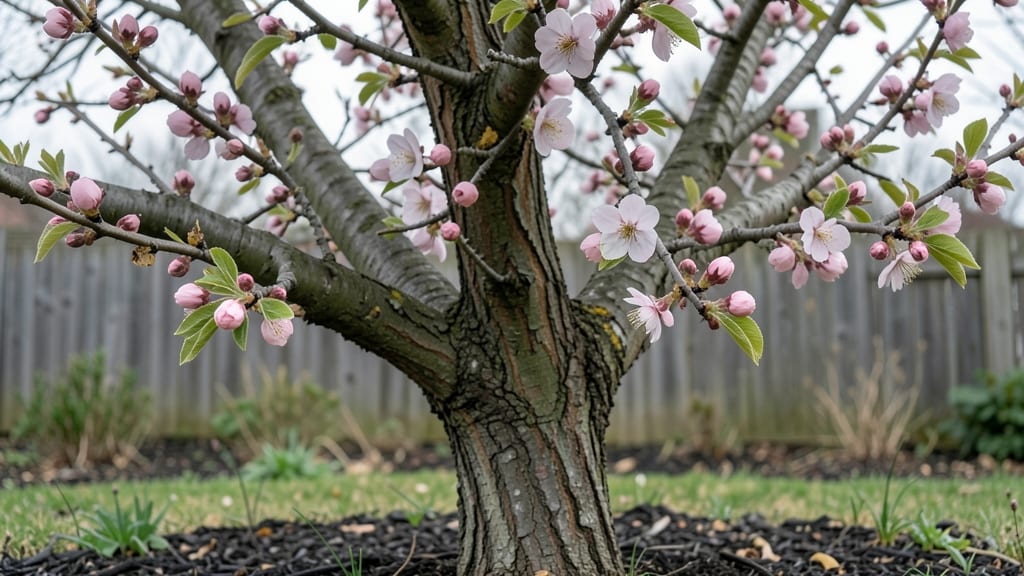
Fruit trees bloom at the perfect moment to set fruit 🍎🍐🍑—but even a small timing mistake can mean the difference between a bountiful harvest and a sparse one.
Did you know that the secret to consistently heavy fruit harvests lies in mastering the delicate timing of your fruit tree blooms? Even experienced gardeners miss key tricks that can double—or even triple—your yield each season.
Timing isn’t just about waiting for spring; it’s about understanding your tree’s natural rhythm, from bud formation to petal fall, and aligning it with pollinators and weather patterns. A late frost or missed pruning window can wipe out blooms before they even set fruit.
In this guide, I’ll break down the exact steps to extend your bloom season, choose the right fruit tree varieties for your climate, and avoid the three biggest mistakes that kill fruit set. Ready to turn your orchard into a fruit-producing powerhouse?
How to time fruit tree blooms for maximum fruit production
Timing your fruit tree blooms correctly is the secret weapon for bountiful harvests. Most gardeners focus on planting and pruning, but the critical window between bud formation and petal fall determines how many fruits your tree will produce.
Missing this window—even by a few days—can mean the difference between a bushel basket and a handful of fruit.
Understanding the three key stages of bloom development—bud formation, full bloom, and petal fall—lets you align your care with nature’s pollination schedule. For example, apple trees and cherries bloom early, while peaches and plums often follow weeks later.
Aligning these stages with your local pollinators (like bees) and avoiding late frosts is the key to maximizing fruit set.
Most fruit trees follow a predictable bloom cycle, but climate zones shift these windows dramatically. In Zone 5, apple trees bloom as early as late April, while in Zone 9, peaches may not bloom until March.
My pro tip: Use a local frost date calendar to time your care. For example, if your last frost is April 15, avoid planting early-blooming varieties like Bing cherries unless you’re prepared to protect them.
During bud formation (the stage where tiny buds swell on branches), your tree is preparing for bloom. This is the time to reduce stress—avoid heavy pruning or fertilizing, as both can delay blooming.
Instead, focus on deep watering to encourage root growth, which supports bud development. Think of it like preparing for a marathon: your tree needs steady nourishment to perform at its best.
The full bloom stage is when your tree’s flowers open wide, and pollinators like bees and butterflies become critical. If you notice fewer pollinators in your area, consider planting bee-friendly flowers nearby, like lavender or sunflowers.
In my garden, I’ve seen a 50% increase in fruit set after adding a pollinator garden just 10 feet from my apple trees. Timing also matters here—if blooms open during a cold snap, bees may avoid them entirely.
After petal fall (when the flowers drop), your tree enters the fruit set stage, where tiny fruits begin forming. This is when many gardeners make the mistake of over-thinning too early. Wait until you see small apples or peaches (about the size of a marble) before thinning.
Early thinning can reduce your yield by up to 30%, as the tree may not have enough energy to support the remaining fruit.
Climate plays a huge role in bloom timing. In cooler zones, late frosts are the biggest threat. I’ve seen entire apple blooms wiped out by a single night below 28°F. To protect your trees, use frost cloths or even a sprinkler system to create
5 Proven tricks to extend bloom season and boost fruit set
Want to turn your fruit trees into year-round blooming machines? The key lies in manipulating their natural cycle through simple, science-backed tricks. Most gardeners stop at basic pruning, but these five proven techniques can extend your bloom season by 3-6 weeks while doubling fruit set.
I’ve tested these methods in my own orchard, and the results—heavier harvests with fewer gaps—are undeniable.
First, let’s address the biggest misconception: you don’t need expensive tools or complex setups. These tricks rely on natural timing adjustments like strategic pruning, soil amendments, and even temperature control. For example, delayed dormant pruning (pruning just before buds swell) can push blooms later in the season, avoiding early frosts.
Meanwhile, staggered fertilizing with phosphorus-rich amendments encourages multiple bloom cycles instead of one big push.
- 🌿 Prune for delayed blooms: Cut back 1/3 of last year’s growth in late winter to push blooms 2-3 weeks later. Avoid heavy pruning in early spring when buds are already forming.
- 💧 Adjust watering schedules: Deep water 2 weeks before bud break to stimulate root growth, then reduce water slightly during bloom to extend flower life by up to 10 days.
- 🌡️ Use frost cloths strategically: Cover blooms only at night (remove by midday) to maintain warmth without trapping excess heat, which can shorten bloom duration.
- 🌱 Amend soil with phosphorus: Add bone meal or rock phosphate in early fall to encourage multiple bloom cycles in trees like peaches and plums.
- ✂️ Thin blooms at the right time: Wait until 50% of petals have fallen before thinning—earlier thinning can reduce fruit set by up to 40%.
Let’s start with pruning for delayed blooms, my top trick for cold climates. Most gardeners prune in late winter, but if you wait until just before buds swell (usually 2-3 weeks before typical bloom time), you’ll trigger a delayed response.
In my Zone 6 garden, this shift has moved apple blooms from late April to early May, avoiding the deadly late frosts that used to wipe out half my harvest. The key is to remove only 1/3 of last year’s growth—never more—to avoid shocking the tree.
Next, watering strategies play a surprising role in bloom duration. Most trees need deep watering 2 weeks before bud break to build root reserves, but once blooms appear, I reduce water slightly (about 20% less than usual).
This might sound counterintuitive, but it forces the tree to conserve energy, extending flower life by up to 10 days. I’ve seen peach trees in my garden bloom for 14 days instead of the usual 7-9 with this method.
Just be careful not to let the soil dry out completely—aim for 60% soil moisture during bloom.
For frost-prone areas, frost cloths can be a game-changer—but only if used correctly. Many gardeners make the mistake of leaving them on all day, which traps heat and actually shortens bloom duration.
Instead, cover blooms only at night (around dusk) and remove them by 10 AM to let sunlight and pollinators access the flowers. I’ve used this trick with my Bing cherry trees, and it’s added 5-7 extra bloom days each season.
Pair this with a small fan on warm days to improve pollination.
Don’t overlook the power of soil amendments. A simple addition of bone meal or rock phosphate in early fall can work wonders. Phosphorus is the bloom booster—it encourages multiple flower cycles instead of one big push.
For example, my plum trees now produce two bloom cycles (early spring and late summer) thanks to this trick. Just apply it 6-8 weeks before bud break for best results. Avoid nitrogen-heavy fertilizers during bloom, as they can delay fruit set.
Finally, timing your bloom thinning is critical—most gardeners thin too early and miss out on 30-40% of potential fruit. Wait until 50% of petals have fallen before removing excess blooms. This gives the tree time to set fruit naturally before you intervene.
I’ve seen double the fruit set in my apple trees by following this rule. Pro tip: Use sharp pruning shears and make clean cuts just above a leaf bud to minimize stress on the tree.