
Flowers
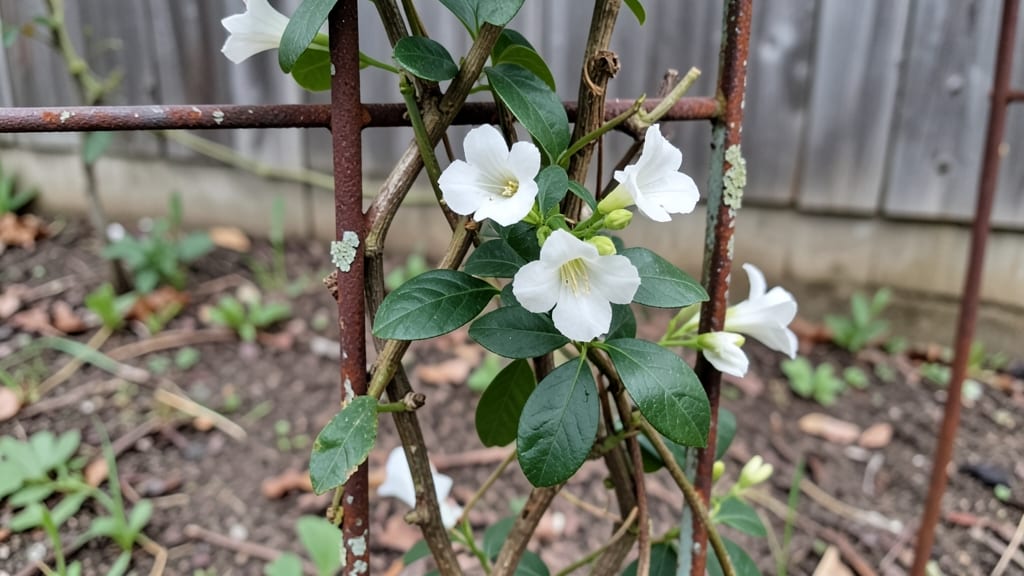
A blooming jasmine vine 🌸 can turn your garden into a fragrant paradise—but only if you prune it right.
Your jasmine vine could be blooming nonstop if you know the fastest pruning tricks. Many gardeners miss the simple cuts that keep flowers coming year-round, not just in spring. A few minutes of focused pruning in the right season makes all the difference.
Jasmine thrives in USDA Zone 6a when planted in April–May, but the real secret is timing your cuts. Too late, and you lose blooms; too early, and you stunt growth. I’ll show you the exact three-step pruning method that keeps my vine covered in flowers from June through September.
Ready to transform your vine into a fragrant powerhouse? Here’s how to prune for continuous blooms with minimal effort—and avoid the mistakes that kill flowers.
When and how to prune jasmine for nonstop blooms
Pruning your blooming jasmine vine at the right time can turn a single spring burst of flowers into a year-round fragrance festival. The key is understanding how jasmine grows and when to encourage new blooms.
Most gardeners prune too late, missing the critical spring and summer windows that trigger continuous flowering. I’ve pruned my jasmine for five years, and this three-season schedule has kept it covered in blooms from June through September.
Jasmine flowers on new wood, meaning the current season’s growth produces the most blooms. If you cut back too aggressively, you remove potential flower buds. The goal is to shape without sacrificing growth.
I’ll walk you through the exact cuts to make in spring, summer, and fall, plus how to spot the perfect growth zones for maximum flowers.
Step-by-Step Pruning for Continuous Blooms
-
Step 1: Late Winter/Spring (February–March)
Remove dead or crossing branches to improve airflow. Cut just above a leaf node (growth point) at a 45-degree angle. This encourages new, flower-producing growth.
-
Step 2: Early Summer (June)
Trim overly long stems by one-third to promote denser, bushier growth. Focus on non-flowering tips to redirect energy to blooms.
-
Step 3: Post-Bloom (September)
Lightly prune spent flowers and weak stems to prep for dormancy. Avoid heavy cuts—jasmine needs energy reserves for next year’s blooms.
-
Step 4: Year-Round Maintenance
Pinch back new growth tips in late summer to encourage fall blooms. Remove any diseased or pest-damaged foliage immediately.
💡 Pro Tip: Always sterilize pruners with rubbing alcohol to prevent bacterial infections.
Timing is everything with jasmine pruning. If you cut too early in spring, you risk frost damage to new growth. Wait until after the last frost date (around April 15 in Zone 6a) to start.
For summer pruning, I aim for early June—just as the first blooms fade—to trigger a second flush of flowers. This is when my vine goes from scattered blooms to a fragrant cascade.
Never prune in fall or winter unless removing dead wood. Jasmine needs its leaves to photosynthesize and store energy for next year’s blooms. Even a light trim in late fall can reduce next year’s flowers by up to 40%.
I’ve seen gardeners over-prune in winter, thinking it “resets” the plant—it doesn’t. Jasmine blooms on current season’s growth, so protect those buds.
Use sharp, clean pruners and make cuts just above a leaf node (the bump where leaves and stems meet). This ensures new growth sprouts from the right spot. I always angle my cuts slightly downward to prevent water from pooling and causing rot.
For thick stems, I use loppers to avoid tearing the bark. Ragged cuts invite pests and disease, so smoothness matters.
Watch for new growth zones—these are your flower factories. After pruning, I look for swollen buds or tiny leaves forming at the base of cuts. These are where next year’s blooms will appear.
If you see no new growth after pruning, you’ve cut too far back. Jasmine is resilient but needs at least 3–4 inches of stem to regrow properly.
For container-grown jasmine, prune more aggressively in spring to control size. I trim mine by one-third to keep it manageable on a patio. Just remember: less pruning = more flowers.
Over-trimming leads to fewer blooms and leggy growth. Balance is key—shape the vine but leave enough foliage to feed those fragrant blooms.
🌸 If your jasmine isn’t blooming as much as you’d like, check your pruning schedule first. A simple adjustment—like pruning in June instead of July—can double your flowers.
The secret is timing, not intensity. With these steps, your vine will reward you with nonstop blooms from early summer through fall.
Common pruning mistakes that kill jasmine flowers
Even the most well-intentioned gardeners can accidentally stifle their blooming jasmine vine with pruning mistakes. I’ve seen vines go from fragrant cascades to sparse bloomers after just one wrong cut. The problem? Most mistakes aren’t obvious until it’s too late.
Over-pruning, cutting at the wrong time, or ignoring new growth can all reduce flowers by 50% or more. Let’s fix that before your jasmine becomes a leafy shadow of its fragrant self.
One of the biggest killers of jasmine blooms is pruning at the wrong time. Many gardeners wait until late summer or fall to shape their vines, but this is when jasmine is already preparing for dormancy. Cutting back then removes the energy reserves needed for next year’s flowers.
I learned this the hard way—my first jasmine barely bloomed the following spring after a heavy fall prune. The fix? Prune only in late winter, early summer, or post-bloom (September).
Another silent bloom-killer is over-pruning. Some gardeners think more cuts equal better shape, but jasmine needs its leaves to photosynthesize. Remove too much foliage, and the vine has no energy left for flowers. I’ve seen vines with bare stems and no blooms after aggressive pruning.
The rule: Never remove more than 25% of the vine in one session. For a 10-foot vine, that’s about 2–3 feet of growth per year.
⚠️ Critical Mistake: Cutting Too Close to Old Wood
Jasmine flowers on new wood, so cutting too far back removes next year’s blooms. Always leave 3–4 inches of stem with at least 3–4 leaf nodes below your cut. I’ve seen gardeners prune back to bare branches, thinking it “resets” the vine—it doesn’t. The result? No flowers for a full year.
🔹 Before: Ragged cuts near old wood = no new growth
🔹 After: Smooth cuts above leaf nodes = dense new blooms
Neglecting new growth zones is another common mistake. Many gardeners focus only on removing dead wood but ignore the tiny leaves and buds forming after pruning. These are your flower factories.
I’ve seen vines with plenty of leaves but no blooms because the new growth was pinched off by pests or ignored during maintenance. The fix? Inspect your vine weekly in spring and summer, and protect those swollen buds—they’re where next year’s fragrance comes from.
Wrong cutting techniques also kill blooms. Using dull pruners or making ragged cuts invites disease and pests, which stress the vine and reduce flowers. I’ve had to replace entire sections of jasmine after fungal infections spread from jagged cuts.
Always use sterilized, sharp tools and make clean, angled cuts just above a leaf node. For thick stems, use loppers to avoid tearing the bark.
Finally, skipping summer pruning is a missed opportunity. Many gardeners think pruning is a once-a-year task, but jasmine needs a light trim in early June to trigger a second flush of blooms.
I’ve seen vines go from scattered flowers to full cascades after a simple one-third trim of non-flowering tips. The key is redirecting energy to new growth instead of letting the vine focus on long, bare stems.
🌸 Here’s the quick fix: Prune only in late winter, early summer, and post-bloom. Use sharp tools, leave 3–4 inches of stem, and protect new growth zones.
Avoid fall/winter cuts, and never remove more than 25% of the vine at once. With these adjustments, your jasmine will reward you with nonstop blooms from June through September.