
Blooming
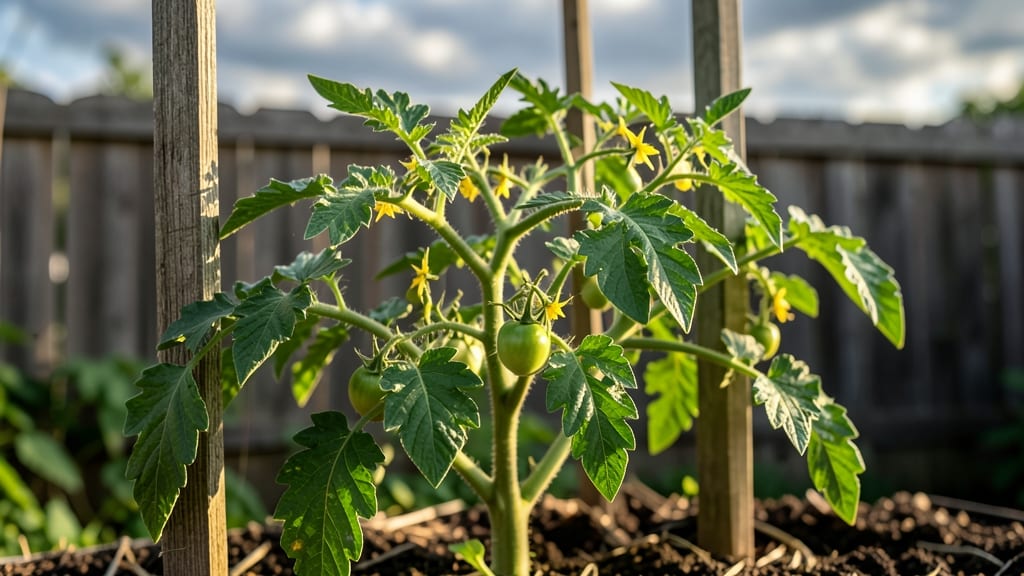
That moment when tiny tomato flowers appear is called bloom set, and it’s your plant’s way of saying, "Let’s make fruit!" 🌿 I’ve watched my heat-loving tomatoes—like 'Solar Fire' and 'Heatmaster'—bounce back from pruning with this exact stage, and it’s where everything changes.
What you do now determines whether you’ll end up with plump tomatoes or a sad harvest.
Bloom set happens when flowers open and pollination begins, usually 4-6 weeks after transplanting, but heat and humidity can speed or slow it. The flowers themselves are tiny yellow blooms that appear in clusters—each one a potential future tomato.
Too much heat (above 90°F) or too little sunlight can stall this process, so morning watering and afternoon shade help keep things moving.
Once you spot those first flowers, switch to gentle care: no heavy pruning, consistent watering, and a light hand with fertilizers. The goal is to let those flowers turn into fruit without stressing the plant.
Heat-tolerant varieties like 'Celebrity' or 'Better Boy' handle this stage better than others, but even they need your help when temperatures climb.
This is where the magic happens—patience pays off. Within 2-3 weeks after bloom set, you’ll see tiny green tomatoes forming, and that’s when you know you’ve done it right. The key is watching the plant, not the calendar, and adjusting as the season shifts.
📚 In This Guide
- What you need
- Instructions
- Tips and common mistakes
- Wrapping up and next steps
What you need
- ● Tomato seeds or seedlings: Choose heat-tolerant varieties like 'Solar Fire,' 'Heatmaster,' or 'Arkansas Traveler' (3–5 plants per gardener’s preference).
- ● Well-draining potting mix or garden soil: 10–15 lbs (for containers) or amended soil for in-ground planting (add compost or aged manure).
- ○ Containers (optional but recommended for heat control): 5–10 gallon pots (1 per plant) with drainage holes.
- ● Black or dark-colored pots absorb heat faster (great for cooler mornings).
- ● Fertilizer: Balanced 10-10-10 or 5-10-10 fertilizer (1 tbsp per gallon of water).
- ● Slow-release osmocote (1 cup per container).
- ● Calcium supplement (e.g., crushed eggshells or calcium nitrate) to prevent blossom-end rot.
- ● Pruning tools: Sharp bypass pruners (sterilized with rubbing alcohol).
- ● Clean garden shears (for larger stems).
- ● Mulch: Straw or black plastic mulch (1–2 inches thick) to retain moisture and regulate soil temp.
- ● Support structures: Cages (5–6 ft tall) or stakes (6 ft bamboo/wooden).
- ● Tie-downs (soft plant ties or old T-shirts).
- ● Shade cloth: 30–50% coverage for seedlings or during extreme heat (100°F+).
- ● Drip irrigation system or soaker hoses (to avoid wetting foliage).
- ● Epsom salt (1 tbsp per gallon of water) for magnesium boosts (apply every 2 weeks).
- ● Compost tea or fish emulsion for a nutrient kick during flowering.
- ● Thermometer: Soil or air thermometer to monitor temps (ideal range: 70–85°F for blooms).
- ● Reflective mulch: Aluminum foil or white plastic to deflect heat from roots.
How to trigger bloom set in heat-tolerant tomato varieties
Here's how to coax flowers from resilient tomato plants even after pruning—my go-to method for hot climates.
🌱 Step 1: Select the Right Heat-Tolerant Varieties
Start with proven heat-lovers like 'Heatmaster,' 'Solar Fire,' or 'Arkansas Traveler.' These varieties keep producing flowers even when temperatures climb above 90°F. Avoid thin-skinned types like 'Early Girl'—they bolt under stress. I always check seed packets for "heat-set" labels before planting.
Look for plants with dark green, thick leaves and sturdy stems. Avoid leggy seedlings—they struggle to recover after pruning. If you're transplanting, choose plants that are 4-6 weeks old with 3-4 true leaves already formed. This maturity gives them the energy reserve to bounce back.
☀️ Step 2: Provide Strategic Light and Temperature Management
Tomatoes need full sun (6+ hours daily) but can't handle midday heat above 95°F. I use shade cloth (30-50%) during peak afternoon sun in summer. Watch for drooping leaves—this is your signal to provide shade immediately. Remove the cloth by late afternoon to allow light for evening flower development.
Keep soil temperatures between 70-85°F by mulching with 2-3 inches of straw. I test soil temp with a thermometer—anything hotter than 90°F stops flower formation. If your garden gets too hot, try drip irrigation to keep roots cool and roots actively growing.
✂️ Step 3: Prune for Airflow and Flower Triggers
Prune suckers (the shoots in the leaf axils) when they're 2-3 inches long—this prevents overcrowding and improves airflow. I always leave 3-4 main stems on indeterminate varieties to maintain flower production. For determinate types, prune only to remove diseased leaves.
After pruning, I give the plant a light fertilizer application (5-10-10) to encourage new growth. Watch for new leaves emerging within 7-10 days—this shows the plant is recovering. If no new growth appears, reduce water slightly to stress the plant enough to trigger flowering.
💧 Step 4: Water and Feed for Consistent Blooming
Water deeply 2-3 times per week—tomatoes need 1-1.5 inches of water weekly, but adjust for heat. I water at soil level in the morning to avoid wetting leaves (which causes disease). Let the top 2 inches of soil dry between waterings to prevent root rot.
Feed with phosphorus-rich fertilizer (like 0-10-10) when flowers appear. I mix it into the soil around the base every 2-3 weeks during the blooming season. Avoid nitrogen-heavy feeds—too much leaf growth means fewer flowers. Look for small yellow flowers forming in leaf axils—this confirms the plant is ready to set fruit.
🌿 Step 5: Protect Flowers from Heat Stress
When daytime temps exceed 90°F, flowers can drop before setting fruit. I use cheesecloth or lightweight fabric to shade blossoms during peak heat. Remove it by late afternoon to allow pollinators access. Hand-pollinate stubborn flowers by gently shaking plants in the morning.
Watch for wilting flowers—this is a sign of heat shock. If you see this, immediately provide shade and increase water slightly. Healthy flowers should stay firm and upright. Once fruit sets, thin to 5-7 tomatoes per cluster to prevent overburdening the plant.
Tips & tricks for perfect tomato bloom set in hot climates
These practical strategies will help your heat-tolerant tomato plants rebound beautifully after pruning—no guesswork involved.
Variety Selection: When choosing seeds or seedlings, focus on heat-set varieties like 'Heatmaster' or 'Arkansas Traveler' that naturally produce flowers above 90°F. I've found these varieties consistently outperform others in my hot summers. Look for seed packets labeled "heat-set" or "heat-tolerant" to avoid disappointment with thin-skinned types that bolt easily.
Soil Temperature Management: The 70-85°F soil temperature range is critical for flower formation. I use a soil thermometer to monitor temps—anything above 90°F stops blooming. For extra protection, I add 2-3 inches of straw mulch to insulate roots and maintain cooler soil temps. This simple step makes all the difference in my high-desert garden where soil can quickly overheat.
Pruning Technique: Prune suckers when they're just 2-3 inches long to prevent overcrowding. I always leave 3-4 main stems on indeterminate varieties—this balance maintains airflow while preserving flower production. After pruning, watch for new leaves emerging within 7-10 days. If no growth appears, slightly reduce water to encourage flowering. This subtle stress signal works wonders for stubborn plants.
Heat Stress Protection: When daytime temps exceed 90°F, use cheesecloth or lightweight fabric to shade blossoms during peak heat. I remove the covering by late afternoon to allow pollinators access. For stubborn flowers, I hand-pollinate by gently shaking plants in the morning. This simple technique has saved countless blossoms from dropping during heatwaves.
Pro Tips for Bloom Set For Tomatoes
- These practical strategies will help your heat-tolerant tomato plants rebound beautifully after pruning—no guesswork involved.
- Variety Selection: When choosing seeds or seedlings, focus on heat-set varieties like 'Heatmaster' or 'Arkansas Traveler' that naturally produce flowers above 90°F.
- Soil Temperature Management: The 70-85°F soil temperature range is critical for flower formation.
Frequently asked questions
Got questions about setting blooms for tomatoes—especially heat-tolerant varieties? You’re not alone! Here are answers to the most common concerns to help you grow thriving, productive tomato plants.
When should I expect blooms to form after pruning?
With heat-tolerant varieties like ‘Heatmaster’ or ‘Solar Fire,’ blooms typically reappear 2–4 weeks after pruning, provided the plant has enough energy from sunlight and water. Prune in the morning to minimize stress, and avoid heavy cuts during extreme heat (above 90°F).
Will pruning my tomato plant reduce my harvest?
Not if done right! Pruning encourages bigger, healthier fruit by redirecting energy to fewer blooms. Focus on removing suckers (side shoots) and lower leaves, but leave 3–5 main stems (for indeterminate varieties) to maximize yield. Determinate types need minimal pruning—just trim dead or diseased foliage.
What’s the best alternative if my tomatoes stop blooming in heat?
Try these fixes:
- Shade cloth (30–50%) to lower temps during peak heat (10 AM–4 PM).
- Drip irrigation at the base (not leaves) to prevent stress.
- Calcium sprays (like calcium nitrate) to prevent blossom-end rot.
- Heat-tolerant varieties like ‘Arkansas Traveler’ or ‘Better Boy’ that rebound well.
Why are my tomato blooms dropping off before fruiting?
This is often due to temperature stress (above 95°F or below 55°F) or water fluctuations. Keep soil consistently moist (1–2 inches deep) and mulch to stabilize temps. If blooms drop, focus on new growth—they’ll rebound once conditions improve.
Can I prune tomatoes too much?
Over-pruning removes too much foliage, reducing photosynthesis and weakening the plant. Limit pruning to 1/3 of the plant’s height at a time, and never remove more than 20% of leaves. Prioritize airflow—aim for a balanced plant, not a skeleton.
Still stumped? Drop your specific variety or growing conditions in the comments—we’re happy to help!
Wrapping up and next steps
Mastering the bloom set for tomatoes—especially with heat-tolerant varieties—is a game-changer for gardeners! 🌱 By choosing resilient varieties, pruning strategically, and providing the right care, you’ll enjoy a bountiful harvest even after setbacks. Whether you’re a seasoned gardener or just starting, these steps will help you thrive with confidence.
Ready to put your new knowledge into action? Start by selecting your tomato varieties today—then watch your garden flourish! 🌞